



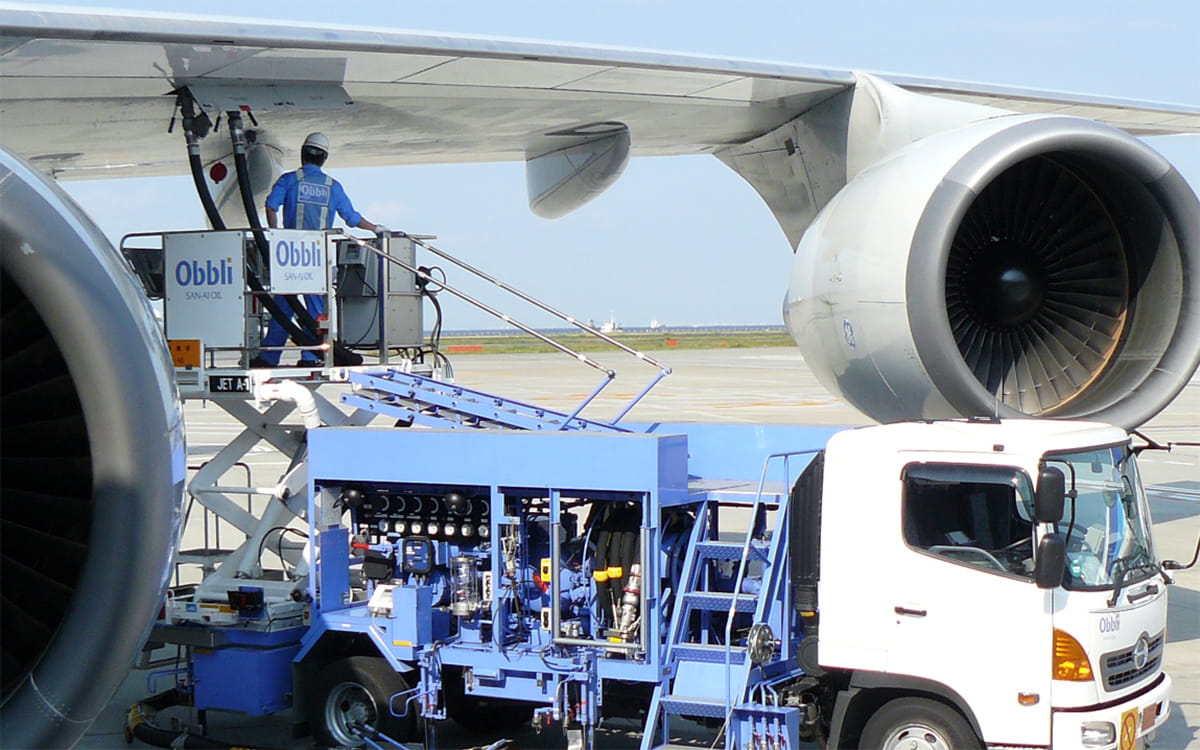
A sharp and largely unanticipated surge in jet fuel prices is sending shockwaves through Pakistan’s aviation sector, exposing just how vulnerable airline economics remain to global energy volatility.
At the centre of the concern is Pakistan International Airlines (PIA), where new ownership has issued a stark warning: if current fuel pricing persists, operations may no longer be sustainable.
The trigger is dramatic. Jet fuel prices have risen by nearly 150 percent within a single month, climbing from roughly Rs190 per litre to around Rs472.
For an industry where margins are already thin, this is not a manageable increase. It is an existential one.
When Fuel Becomes the Business Model
4
Fuel has always been aviation’s most volatile cost component. But at current levels, it is becoming dominant.
Industry estimates suggest that fuel accounts for 30 to 40 percent of total airline operating expenses.
When that cost base surges so rapidly, the impact cascades quickly:
- Ticket prices rise sharply, often by 20 to 30 percent
- Demand risks softening as affordability declines
- Operational routes and frequencies come under pressure
For PIA, the concern is more immediate. According to stakeholders, the airline has managed to navigate the current month, but sustaining operations under these conditions may prove impossible without intervention.
A Policy Decision with Wider Consequences
The price increase is not solely a reflection of global oil markets.
It is also tied to domestic fiscal policy.
The government has effectively raised aviation and premium fuel prices as part of a cross-subsidy mechanism, helping offset the burden of rising fuel costs for the broader population.
In isolation, the policy reflects a familiar balancing act:
shield consumers, absorb pressure elsewhere.
But aviation leaders argue that this approach misunderstands the sector’s role.
Air travel, they contend, is not a luxury disconnected from everyday life. It is deeply embedded in:
- Trade and logistics
- Business connectivity
- Economic productivity
Increasing aviation fuel costs therefore risks amplifying economic pressure rather than containing it.
The Global Context: War, Supply Chains and Energy Shock
The backdrop to this crisis is geopolitical.
Supply chain disruptions linked to escalating tensions in the Middle East—particularly involving the US and Iran—have placed upward pressure on global energy markets.
Aviation fuel, already sensitive to oil price movements, has responded sharply.
What makes this moment different is the speed of escalation.
Airlines have had little time to adjust pricing strategies, hedge costs, or restructure operations.
The Fragility of Airline Economics
Aviation is often perceived as a high-revenue industry.
In reality, it is structurally fragile.
Airlines operate within a narrow band where:
- Costs are largely fixed
- Demand is cyclical
- External shocks—fuel, geopolitics, regulation—are constant
The current situation illustrates that fragility with unusual clarity.
Even a national carrier, backed by new ownership and strategic intent, can find itself on the edge of operational viability within weeks of a cost shock.
Embedded Video: Why Fuel Prices Dictate Airline Survival
A Sector at a Crossroads
The immediate question is whether policy adjustments will follow.
Industry voices are calling for:
- A reconsideration of aviation fuel pricing
- More balanced subsidy frameworks
- Recognition of aviation as an economic enabler rather than a discretionary sector
Without such measures, the risk extends beyond a single airline.
It becomes systemic.
The Outlook
What is unfolding is not simply a pricing issue. It is a stress test.
Pakistan’s aviation sector is being forced to confront a broader reality shared across global markets:
energy volatility is no longer cyclical. It is structural.
For PIA, the warning is stark but not isolated.
For the wider industry, it is a reminder that sustainability in aviation is no longer just about emissions or innovation.
It is about economics.
And right now, those economics are under severe strain.