



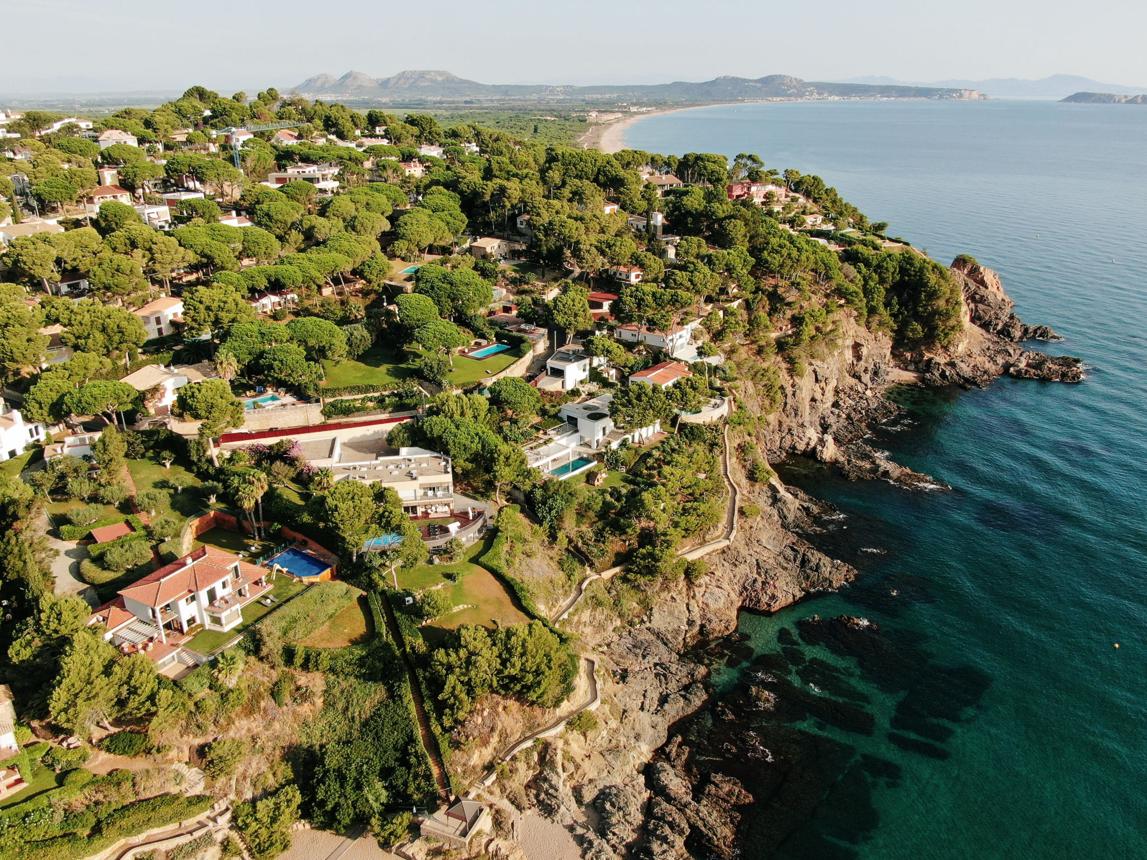
When travellers think of Mediterranean luxury, destinations such as the Amalfi Coast, Saint-Tropez or Mykonos often dominate the conversation. Yet quietly, and with far less noise, Catalonia continues to offer one of Europe’s most complete lifestyle destinations — blending gastronomy, coastline, culture, design and authenticity in a way few regions can match.
Stretching from the cosmopolitan energy of Barcelona to the rugged coves of the Costa Brava and the vineyard-covered landscapes of Empordà, Catalonia delivers a version of Mediterranean living that feels sophisticated without becoming performative. It is a region where Michelin-starred dining, medieval villages, contemporary design and untouched coastal beauty exist side by side.
What increasingly makes Catalonia stand out is balance. Unlike many luxury destinations now overwhelmed by overtourism and hyper-commercialisation, much of Catalonia still feels connected to its cultural identity. The region has managed to modernise globally while preserving the atmosphere that made it desirable in the first place.

Beyond Barcelona Lies a Different Side of Spain
While Barcelona remains one of Europe’s defining cultural capitals, the wider Catalonia region offers a completely different pace and atmosphere. Drive north toward Girona and the Costa Brava, and the landscape begins to shift dramatically. Pine-covered cliffs, hidden coves, vineyard valleys and quiet medieval towns replace the density of the city.
This contrast is part of the region’s appeal.
In a single trip, visitors can move from rooftop dining and Gaudí architecture to secluded beaches, countryside wineries and fishing villages that still feel deeply local. The diversity of experiences compressed into one region makes Catalonia uniquely attractive for modern luxury travel, particularly as affluent travellers increasingly prioritise authenticity and slower experiences over pure extravagance.
Towns such as Cadaqués have become particularly symbolic of this understated Mediterranean identity. Long associated with artists, intellectuals and creatives including Salvador Dalí, the whitewashed coastal town continues to feel more timeless than trend-driven.
Catalonia’s Gastronomy Is Entering a New Era
Catalonia has long been one of Europe’s most influential culinary regions. The legacy of El Bulli and chefs such as Ferran Adrià helped redefine modern gastronomy globally. But today, the region’s food culture is evolving again — moving away from theatrical experimentation and back toward local identity, heritage and ingredient-led cuisine.
The result is a food scene that feels both refined and deeply rooted in place.
Catalan cuisine draws heavily from Mediterranean ingredients including olive oil, seafood, rice, seasonal vegetables and mountain produce. Along the Costa Brava, seafood stews, prawns from Palamós, anchovies from L’Escala and local rice dishes remain central to the region’s culinary identity. Inland, the cuisine shifts toward wild mushrooms, slow-cooked meats and vineyard culture.

Restaurants across Girona and Empordà increasingly combine modern presentation with strong regional storytelling. Many of the region’s leading chefs now openly prioritise Catalan culinary heritage over global food trends, reflecting a broader cultural shift toward authenticity and locality.
For luxury travellers, this creates a much richer experience than conventional fine dining tourism. Meals feel connected to landscape, history and regional culture rather than simply prestige.
The Costa Brava Still Feels Surprisingly Untouched
Perhaps the most surprising aspect of Catalonia is how much of its coastline remains relatively unspoiled compared to many Mediterranean competitors.
The northern stretches of the Costa Brava offer dramatic cliffs, small coves and quiet fishing villages that still retain a sense of privacy and authenticity. Areas surrounding Begur, Calella de Palafrugell and Tamariu continue attracting discerning travellers precisely because they feel less commercialised than other European coastal hotspots.
Luxury in this part of Spain often feels more architectural and experiential than overtly flashy. Boutique hotels are frequently converted farmhouses, restored stone villas or minimalist seaside retreats integrated carefully into the landscape itself.

This understated approach increasingly appeals to travellers seeking privacy, wellness and cultural immersion over highly visible luxury branding.
The rise of design-led rural retreats and boutique hospitality across Empordà and Girona also reflects how Catalonia’s luxury market is evolving. Many newer properties emphasise sustainability, local sourcing and slow living rather than traditional resort-style excess.
Art, Design and Landscape Are Deeply Connected Here
One reason Catalonia feels culturally distinctive is the way art and landscape remain intertwined throughout the region.
The surreal landscapes surrounding Cap de Creus heavily influenced the work of Salvador Dalí, while Barcelona itself remains one of Europe’s defining architectural cities thanks largely to the legacy of Antoni Gaudí.
But beyond famous names, Catalonia continues attracting contemporary artists, designers and creative communities drawn by the region’s visual identity and slower rhythm of life.
This creative influence shapes everything from hotels and restaurants to wine estates and boutique retail experiences. The region increasingly positions itself not simply as a beach destination, but as a lifestyle ecosystem built around design, gastronomy, creativity and Mediterranean wellbeing.
Catalonia Represents a Different Kind of Luxury
What ultimately separates Catalonia from many Mediterranean destinations is that it rarely feels like it is trying too hard.
Luxury here is less about spectacle and more about atmosphere. Long lunches overlooking quiet coves, vineyard dinners in Empordà, mornings wandering medieval villages and evenings spent in understated boutique hotels create an experience centred around quality of life rather than performance.
That is becoming increasingly valuable in modern travel culture.
As affluent travellers move away from overt status tourism and toward more emotionally resonant experiences, regions like Catalonia are perfectly positioned for the next era of Mediterranean luxury.
Because in many ways, Catalonia offers something increasingly rare: sophistication that still feels genuine.