




Artificial intelligence is quietly transforming one of the most complex manufacturing environments in the world: rocket production. By blending traditional aerospace engineering with advanced data analysis and machine learning, European engineers are finding new ways to build rocket components faster, more accurately and with greater consistency.
At the centre of this shift is European Space Agency, which is exploring how AI can support next-generation launch systems by improving the way critical parts are formed, welded and inspected.
Why rocket manufacturing needs AI
Rocket components operate under extreme conditions — intense heat, pressure and vibration — leaving no room for error. Traditionally, manufacturing these parts has relied heavily on expert judgement, lengthy testing cycles and manual inspection.
Artificial intelligence enhances this process by:
- Analysing large volumes of manufacturing data in real time
- Predicting how materials will behave before physical testing
- Detecting defects too small for the human eye
- Reducing trial-and-error during production
Rather than replacing engineers, AI acts as a powerful decision-support tool, allowing teams to work faster while maintaining exceptionally high safety and quality standards.
Three ways AI is changing rocket-part production


1. Smarter metal shaping
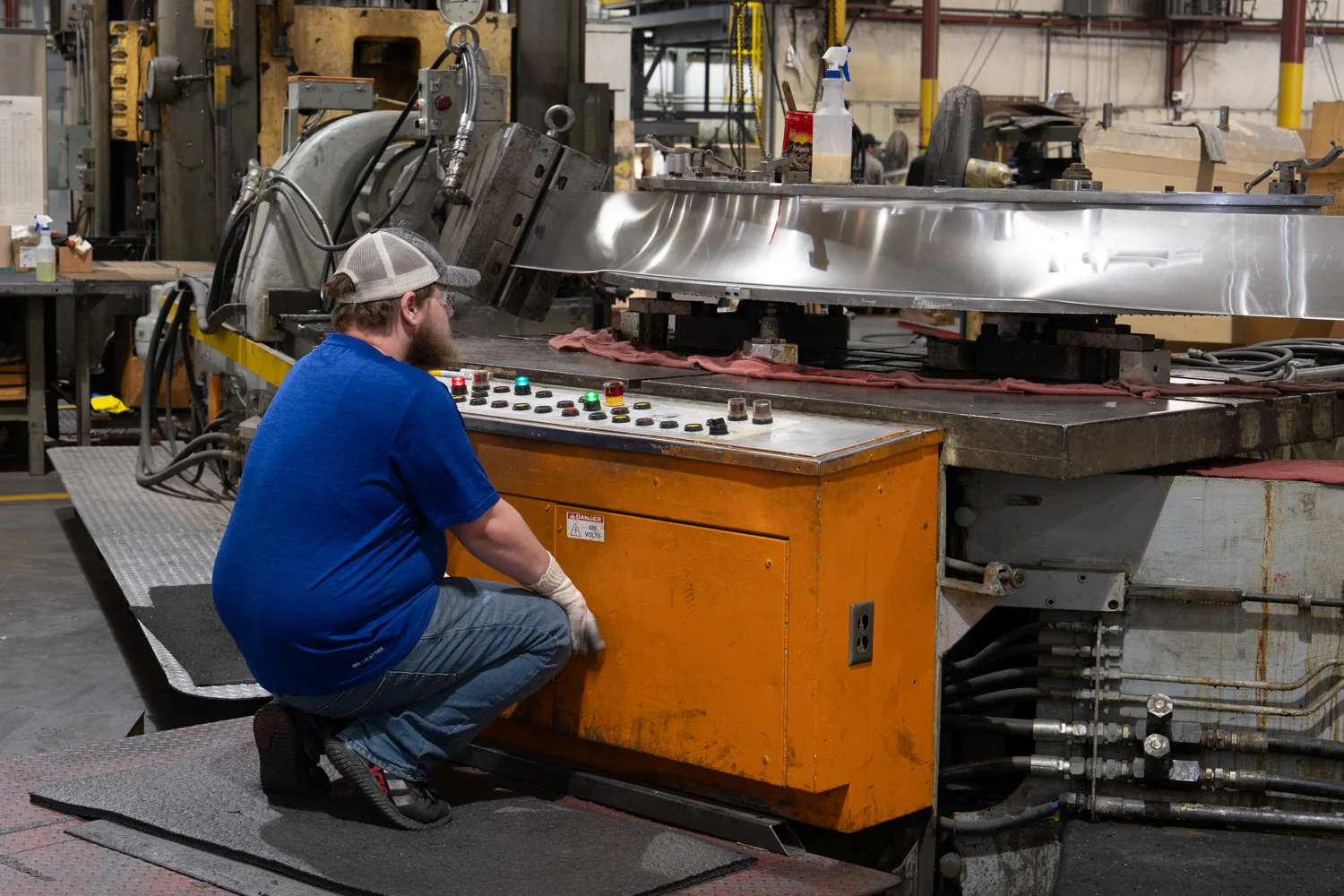
Some rocket structures require large metal panels to be curved into precise shapes. This is often achieved through shot peen forming, where thousands of tiny impacts gradually bend the material.
AI models can now predict exactly how the metal will deform, allowing engineers to achieve the desired shape with far fewer iterations. The result is faster production, less material waste and tighter tolerances.
2. Faster, more reliable welding
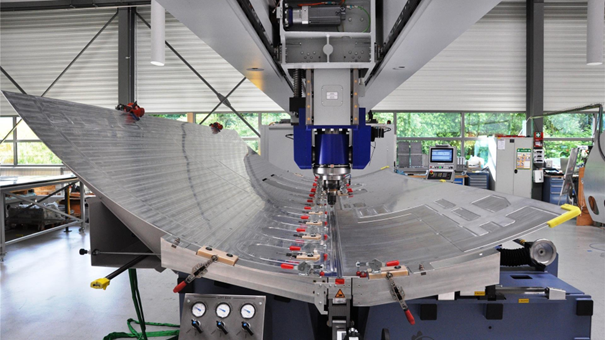
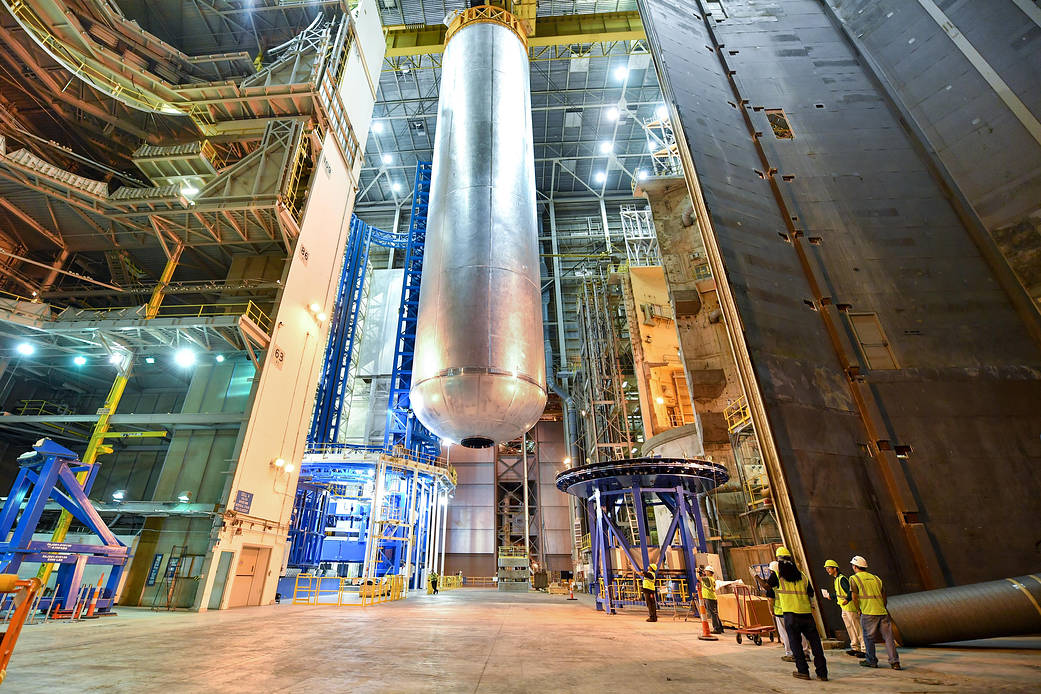
Rocket fuel tanks and structural elements are commonly joined using friction stir welding, a process that demands extreme precision.
With AI-driven monitoring systems, sensors track temperature, pressure and vibration during welding. Machine-learning software analyses this data instantly, helping engineers verify weld quality in minutes rather than hours or days — while improving consistency across production runs.


3. Real-time defect detection in composites
Lightweight composite materials are increasingly used in modern rockets, but even microscopic flaws can compromise performance.
AI-powered vision systems can now inspect carbon-fibre layers as they are laid down, identifying defects immediately and allowing corrections before production continues. This real-time quality control reduces delays and improves overall reliability.
Building the future of European launch systems
These AI-enabled manufacturing techniques form part of a broader effort to modernise Europe’s space transportation capabilities. By embedding intelligence into production lines early, engineers can reduce cost, improve repeatability and shorten development timelines for future launch vehicles.
As launch demand increases — driven by satellite deployment, scientific missions and commercial space activity — smart manufacturing will be essential to scaling production without sacrificing safety.
Why it matters beyond space
Although these innovations are being developed for rockets, their impact reaches far beyond the space sector. The same AI-driven techniques can be applied to:
- Advanced automotive manufacturing
- Renewable energy infrastructure
- High-performance engineering and defence
- Precision industrial production
Rocket manufacturing often acts as a testing ground for technologies that later shape multiple industries.
A smarter way to build rockets
Artificial intelligence is helping turn rocket factories into learning systems — environments where machines adapt, improve and support human expertise. From predictive shaping to automated inspection, AI is not just accelerating production; it is redefining what precision manufacturing can achieve.
As Europe looks toward more ambitious space missions, intelligent manufacturing will play a critical role in ensuring rockets are not only powerful, but also smarter, safer and more efficient to build.