




The Liverpool City Region is preparing for one of its most ambitious housing drives in decades, after Mayor Steve Rotheram set out a £2 billion strategy designed to unlock more than 64,000 new homes across the region.
The plan targets long-stalled and underused sites, aiming to overcome the financial and structural barriers that have held back development and deliver housing at a scale capable of reshaping communities across Merseyside.
A pipeline designed to unlock stalled development
At the heart of the strategy is a newly identified pipeline of more than 300 housing sites spread across the Liverpool City Region. Together, these locations have the potential to deliver 64,044 homes, including around 31,000 within Liverpool itself, with the remainder across neighbouring boroughs including Wirral, Sefton, Knowsley, Halton and St Helens.
Many of these sites are not short of demand, but have struggled to progress due to rising construction costs, infrastructure requirements and viability gaps where building simply does not stack up financially without public support. The £2 billion funding ambition is designed to bridge that gap and turn plans into homes.
Where the money will make the difference
Early analysis has identified around 139 priority projects that could move quickly if funding is secured. Around £1 billion is expected to be required to unlock these first schemes, with the full £2 billion programme supporting the wider pipeline over the coming years.
The approach is deliberately strategic rather than piecemeal. By coordinating investment across multiple sites, the city region hopes to accelerate delivery, reduce risk for developers and create certainty for investors.
Affordable housing and regeneration at scale
The housing plan builds on a recent £700 million commitment to social and affordable housing, the largest investment of its kind in the city region’s history. Together, the programmes aim to balance market-led development with genuinely affordable homes, ensuring growth benefits a broad cross-section of residents.
Housing delivery is being positioned not just as a numbers game, but as a tool for wider regeneration — supporting job creation, improving neighbourhoods and aligning new homes with transport, infrastructure and economic development.
New delivery tools on the table
To help drive progress, the Mayor has proposed the creation of a Housing Investment Fund, alongside the potential use of a Mayoral Development Corporation, initially focused on major regeneration areas such as the North Docks.
These structures are intended to streamline decision-making, coordinate land assembly and infrastructure delivery, and give developers the confidence to commit to complex sites that might otherwise remain dormant.
What this means for the region

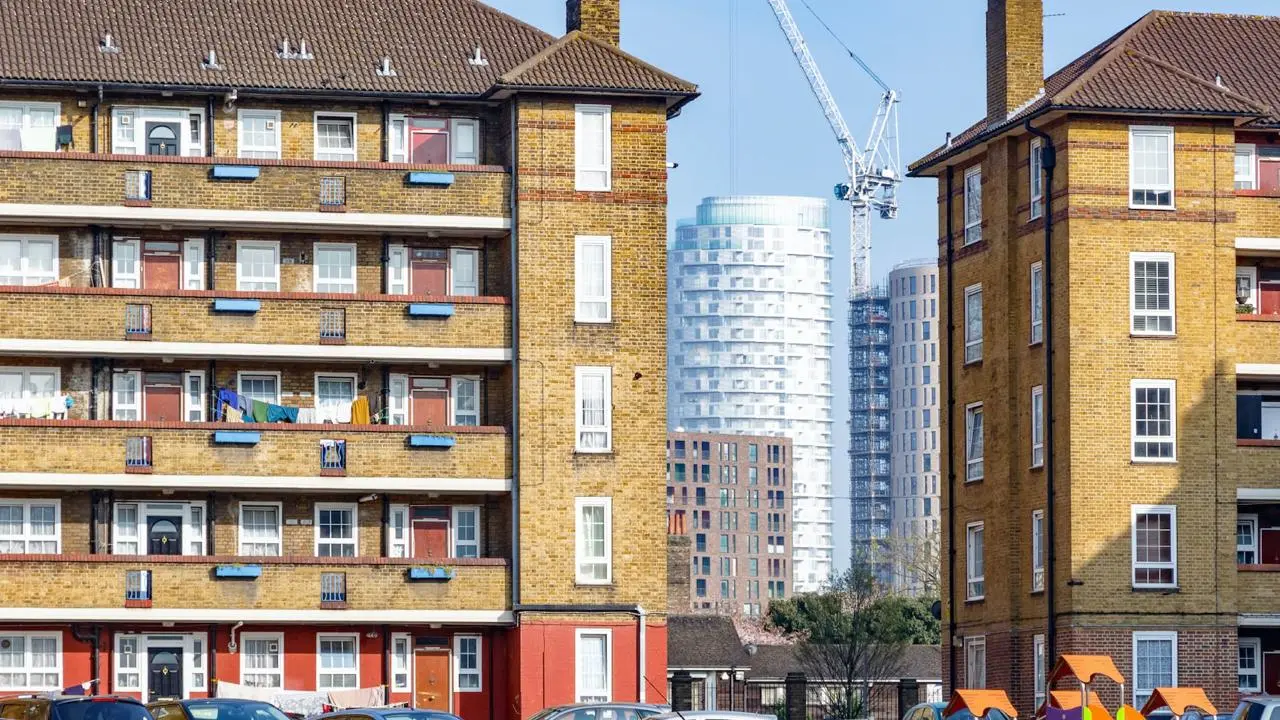
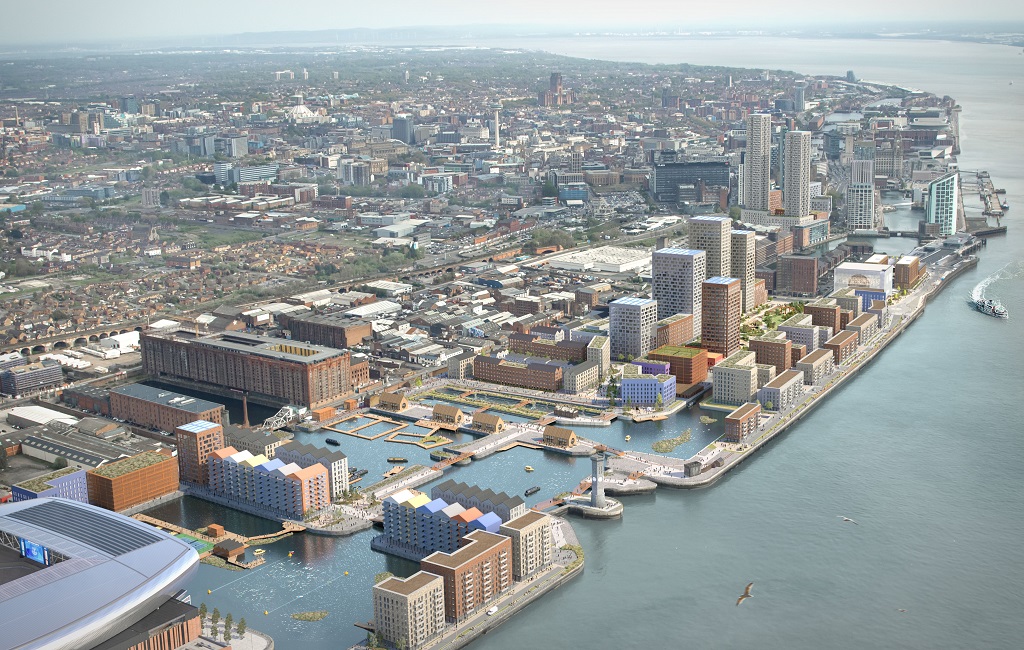
If delivered at scale, the plan could mark a turning point for the Liverpool City Region. Unlocking thousands of homes would not only help address long-term housing shortages, but also stimulate construction activity, support local supply chains and revitalise areas that have seen little development for years.
For residents, it offers the prospect of new neighbourhoods, improved infrastructure and greater housing choice. For the construction and property sectors, it represents one of the most significant regional pipelines currently taking shape in the UK.
A long-term vision taking shape
The proposals are expected to move through formal approval stages in the coming months, with engagement planned across councils, developers, housing associations and investors. While delivery will span many years, the scale and structure of the plan signal clear intent.
Liverpool’s message is unambiguous: housing is central to economic renewal, and unlocking stalled land is key to building the region’s future.