




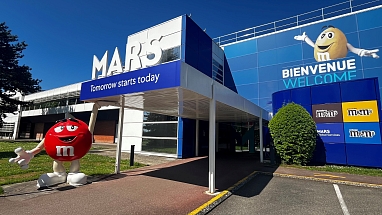
Mars, the company behind M&M’s, Whiskas, Snickers and many more familiar names, has unveiled a big plan: it will invest €1 billion into its European Union operations by the end of 2026. The aim? To modernize factories, improve sustainability, ramp up innovation — and generally strengthen its foothold across Europe.
What’s in the Plan
- Mars already operates 24 factories in 10 EU countries, employing about 25,000 people. Most of its European production (about 85%) for the EU market happens locally.
- Over the past five years, it has invested roughly €1.5 billion into EU manufacturing. The new €1 billion commitment adds to that past investment.
- Some projects are specific: upgrading its chocolate factory in Janaszówek, Poland (boosting capacity by ~63%) via increased automation; decarbonizing multiple sites; using more renewable electricity in facilities such as its pet nutrition plant in Lithuania; modernizing packaging technologies; and partnering with local suppliers and communities.
Why Now — Strategic Signals
- Demand in some markets (like the U.S.) is cooling for packaged foods, so Mars seems keen to rebalance growth more toward Europe.
- The investment also aligns with broader EU priorities — reducing carbon emissions, improving energy efficiency, and encouraging local manufacturing. Mars appears to want its operations to be “world-class, competitive, and aligned with EU long-term priorities,” in its own words.
What This Means on the Ground
- Consumers may benefit from more sustainable packaging, smarter logistics, better local sourcing, so fewer long supply chains and more resilience.
- Workers in Mars’ EU factories should see modernization efforts: better automation, upgraded equipment, possibly more stable operations as the company invests in maintaining and improving its facilities.
- Local economies and suppliers could get a boost — when factories upgrade, they often need local contractors, materials, and support services; Mars says it plans to strengthen local partnerships.
- Environmentally, there’s a push to decarbonize (including using renewable electricity, cutting emissions across scope 1-3) and to embed sustainability more deeply.
What to Watch For & Potential Challenges
- Automation upgrades and capacity increases are capital intensive. Ensuring cost control while modernizing factories will be critical.
- Emissions reduction across a supply chain can be difficult, especially for “scope 3” activities (like raw material sourcing, transportation).
- Regulatory and energy cost pressures in some EU countries can complicate operations, especially if electricity or carbon pricing gets volatile.
- The investment is sizable, but Mars will need to demonstrate tangible outcomes to maintain credibility: visible sustainability gains, improved product quality, and perhaps even consumer-facing changes (packaging, etc.).
Final Word
This €1 billion plan shows that Mars is making a bet: Europe remains a central market, and investing here — in smarter factories, greener operations, local supply, innovation — is not just good for its bottom line, but essential in a changing global landscape.
For companies in food, agriculture, packaging, or sustainability industries, this is a signal: resilience, innovation, and sustainability are no longer optional; they’re central to what leading businesses are building toward.