



There is a growing urgency behind the UK’s energy infrastructure rollout, and it is beginning to reshape how major projects are procured and delivered. National Grid’s latest move reflects that shift, signalling not just an increase in workload, but a structural change in how that workload will be handled.
The company has appointed 13 contractors to a new framework designed to deliver a surge in substation construction and upgrades across the UK. The initiative is part of a broader push to accelerate transmission capacity as demand rises and the transition to renewable energy intensifies.
A Framework Built for Scale and Speed
At the centre of the strategy is a dynamic procurement model, one that allows contractors to compete for work packages as they come to market, rather than relying on fixed allocations. This approach is intended to streamline delivery and reduce bottlenecks as project volumes increase.
The framework is structured across three core workstreams: engineering, procurement and construction (EPC); mechanical and electrical installation; and major civils. Each tier targets a different scale of project, from large turnkey substations valued above £20 million to smaller upgrade and extension works.
Laing O’Rourke has emerged as the standout contractor, securing positions across all three workstreams, while other major players including BAM Nuttall, Costain, Siemens Energy and Skanska have secured roles on key EPC packages.
Responding to a Surge in Grid Demand

The scale of this framework is directly linked to a broader transformation of the UK’s energy system. Electrification is accelerating across transport, industry and residential sectors, while renewable energy generation continues to expand rapidly.
This shift places unprecedented pressure on the transmission network, particularly at substations, which act as critical nodes connecting generation to distribution. Without significant upgrades, the grid risks becoming a bottleneck, limiting both renewable integration and overall energy capacity.
National Grid’s approach is therefore not just about building infrastructure, but about enabling the wider energy transition.
From Project Pipeline to Delivery Engine
One of the more notable aspects of the framework is its open-ended design. While 13 firms have been named initially, additional contractors can still be added over time, creating a flexible delivery ecosystem that can scale alongside demand.
This reflects a shift away from traditional, closed frameworks towards more adaptive models. By maintaining competition within the framework, National Grid aims to drive efficiency while ensuring it has sufficient capacity to deliver a growing pipeline of work.
The framework will be used across both National Grid Electricity Transmission and National Grid Electricity Distribution, reinforcing its role as a central delivery mechanism for future projects.
Infrastructure as the Foundation of Energy Transition
What this development ultimately highlights is the scale of infrastructure required to support the UK’s energy ambitions. Renewable generation, electric vehicles and electrified heating systems all depend on a grid that can handle increased load and complexity.
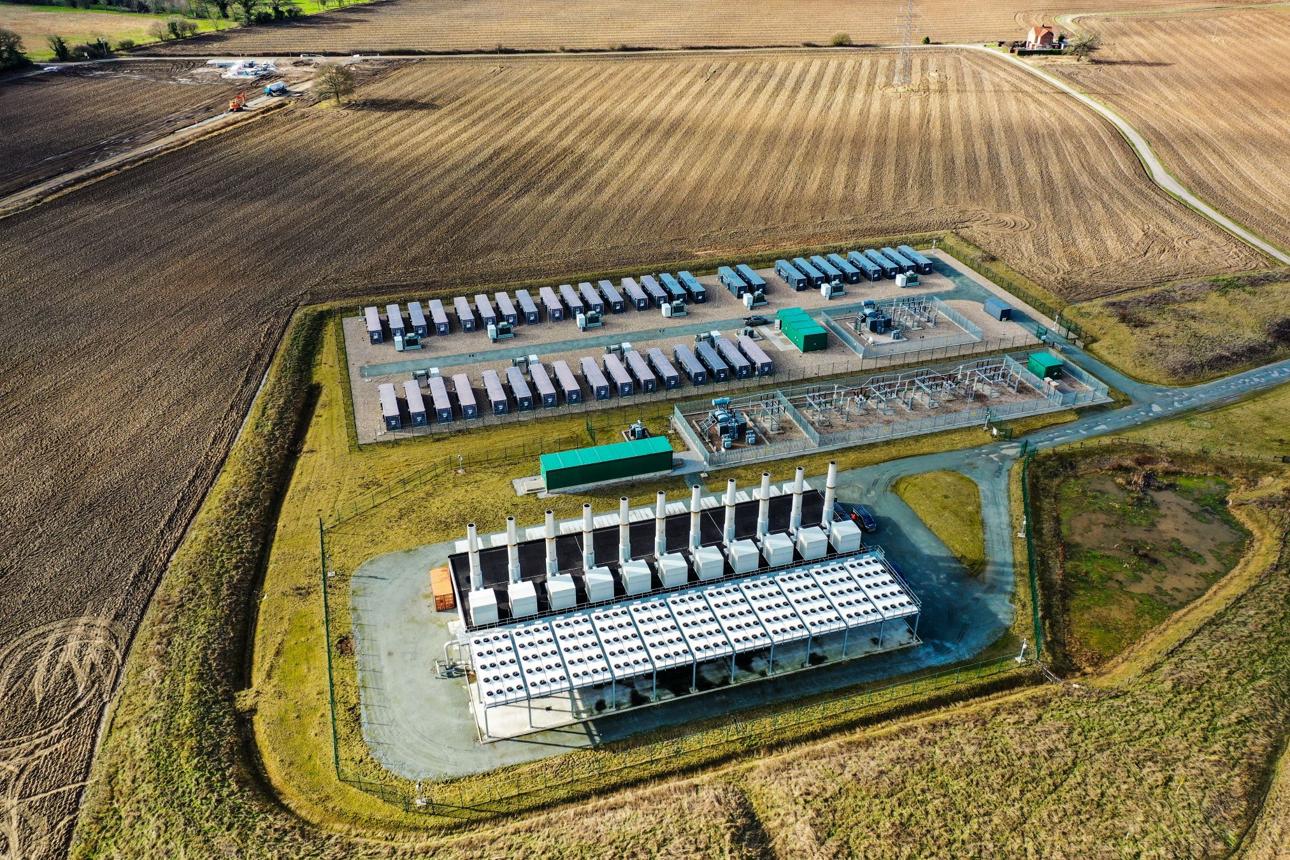
Substations, often overlooked compared to generation assets, are central to that system. They regulate voltage, manage distribution and ensure stability across the network. As demand grows, their role becomes more critical, and their expansion more urgent.
A Sector Under Pressure to Deliver
The challenge now is execution. The volume of work required to upgrade the UK’s grid is substantial, and delivery timelines are tightening as policy targets accelerate.
By expanding its contractor base and introducing a more flexible procurement model, National Grid is attempting to address one of the sector’s most persistent challenges: capacity.
Building the Backbone of a New Energy System
This framework is more than a procurement exercise. It is a signal of intent.
The UK’s transition to a low-carbon energy system will depend not just on generation, but on the infrastructure that connects it. Substations, transmission lines and grid upgrades form the backbone of that system.
And as this latest move suggests, building that backbone is now a priority that can no longer be delayed.