



In an industry often defined by scale, infrastructure and footfall, sustainability can feel like an add-on—a necessary gesture rather than a defining principle.
At Old Buckenham Country Park, that assumption has been quietly overturned.
The Norfolk-based destination has been awarded the Sustainability Strategy Award at the East Anglia Clean & Green Awards, a recognition that reflects not a single initiative, but a structured, long-term approach to environmental responsibility.
It is, on the surface, a regional success story.
But look more closely, and it begins to represent something larger: a shift in how hospitality and leisure spaces are thinking about sustainability—not as compliance, but as identity.
More Than a Campsite

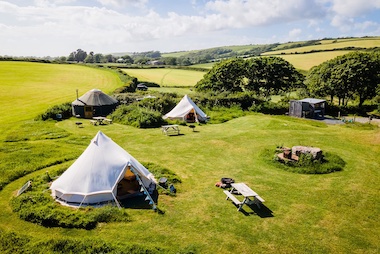
Set in the Norfolk countryside, Old Buckenham Country Park blends traditional outdoor leisure—camping, lodges, and open green space—with a growing focus on environmental stewardship.
Visitors experience it simply: lakeside views, café culture, weekend events, and a slower pace of life.
Behind that simplicity sits something more deliberate.
The park has embedded sustainability into how it operates day-to-day, from land management and resource use to the way experiences are designed and delivered. The award itself recognises that “drive and personal dedication” behind a broader environmental strategy, rather than a single project or campaign.
The Strategy Behind the Recognition
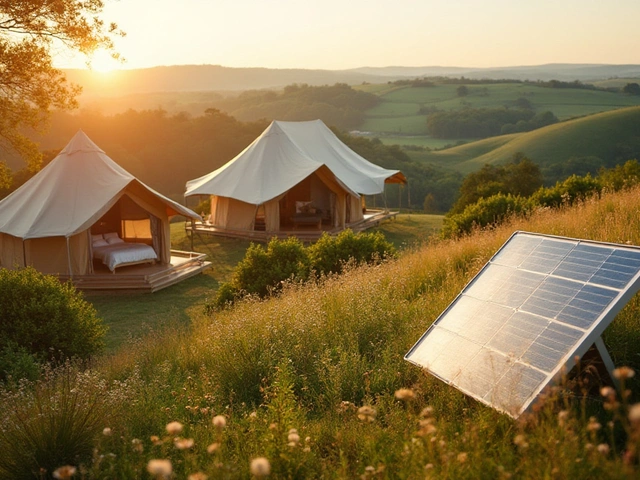
While specific initiatives span multiple areas, the judging criteria for the Sustainability Strategy Award typically centre on three defining qualities:
- Consistency – sustainability embedded across operations, not isolated efforts
- Impact – measurable environmental benefit over time
- Intent – clear leadership commitment rather than reactive compliance
Old Buckenham Country Park stood out among finalists for precisely this integrated approach, alongside other regional organisations recognised for environmental leadership.
The distinction matters.
In a sector where “green” messaging can often outpace real change, structured strategy is what separates visibility from credibility.
A Regional Movement, Not an Isolated Case
The East Anglia Clean & Green Awards themselves reflect a growing regional emphasis on sustainability across industries—from estates and agriculture to hospitality and energy.
By placing a country park alongside more traditionally industrial or commercial operations, the awards underline a broader point:
Sustainability is no longer sector-specific.
It is expectation-wide.
And businesses rooted in land, nature and visitor experience are uniquely positioned to lead—not through scale, but through authenticity.
Experience as a Sustainability Mode
What makes the recognition of Old Buckenham Country Park particularly compelling is how closely sustainability aligns with the visitor experience itself.
This is not sustainability hidden behind operations.
It is visible in:
- The preservation of natural surroundings
- The encouragement of outdoor, low-impact leisure
- The integration of local sourcing and community engagement
In effect, the product and the principle become the same thing.
Visitors are not just staying somewhere sustainable—they are participating in it.
The Broader Signal
Awards alone do not redefine industries.
But they do reveal direction.
The recognition of a site like Old Buckenham Country Park suggests a broader shift underway across the UK’s leisure and tourism sector:
- Away from sustainability as marketing
- Toward sustainability as operational backbone
- And ultimately, toward sustainability as competitive advantage
For smaller, independent destinations, this may be the most important signal of all.
You do not need scale to lead.
You need clarity, consistency, and commitment.
A Quiet Blueprint for the Future
What has happened in Norfolk will not dominate headlines in the way large infrastructure projects or global climate commitments do.
But in many ways, it is more instructive.
Because it shows what sustainability looks like when it is not imposed from above—but built, gradually and deliberately, from within.
And in that sense, the success of Old Buckenham Country Park is less about a single award, and more about a model quietly taking shape.
One that others, inevitably, will begin to follow.