




Equatorial Guinea, the smallest oil producer within OPEC, is seeking prepaid oil and gas agreements with global commodity traders as it looks to secure much-needed financing for its energy sector.
The move reflects growing financial strain on the country’s oil and liquefied natural gas (LNG) operations, as declining output and reduced investment have tightened access to traditional sources of funding.
Why prepaid deals are back on the table
Equatorial Guinea’s oil production has fallen steadily in recent years, driven by maturing fields, high operating costs and a pullback by international investors. With limited fiscal buffers and constrained borrowing options, the government is exploring alternative ways to unlock near-term cash.
Prepaid commodity deals offer a solution. Under these arrangements, a trader provides upfront financing in exchange for guaranteed future deliveries of crude oil or LNG. The immediate capital can be used to support operations, maintain infrastructure and stabilise production.
How prepaid energy financing works


In a typical prepaid structure:
- A producer receives a lump-sum cash payment at the outset
- The trader is repaid over time through scheduled deliveries of oil or gas
- Pricing and volumes are agreed in advance, spreading risk between both parties
Such deals are well established in global commodity markets and are often used by producers facing tighter credit conditions. For trading houses, prepaid agreements help secure long-term supply, while producers gain immediate liquidity without issuing sovereign debt.
Short-term relief, long-term trade-offs
While prepaid contracts can ease near-term funding pressures, they also come with trade-offs. By committing future production, Equatorial Guinea may limit its flexibility if prices rise or if operational challenges disrupt output.
There is also the risk that locking in volumes at fixed terms could reduce future revenues, particularly in volatile energy markets. As a result, prepaid deals are often viewed as a stop-gap measure rather than a long-term solution to structural investment challenges.
A wider trend among smaller producers

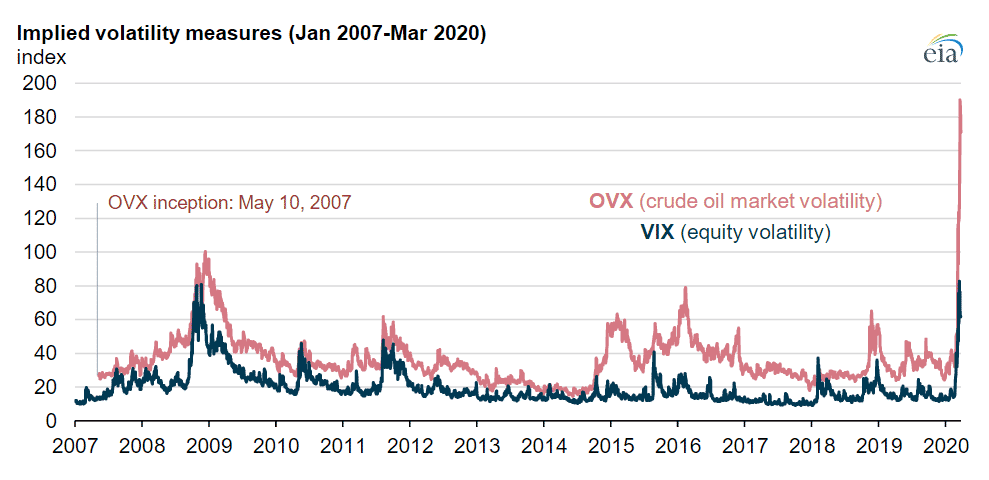
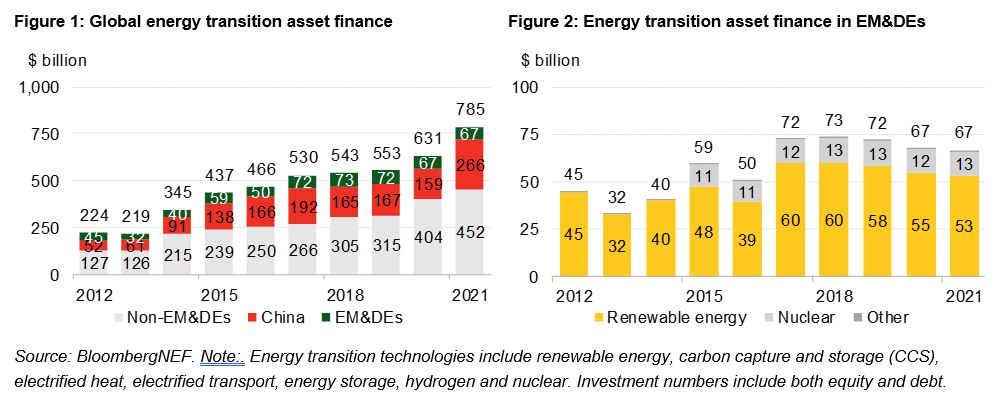
Equatorial Guinea’s strategy highlights a broader trend among smaller oil-exporting nations. As global energy markets adjust to price volatility, rising costs and the longer-term shift toward low-carbon energy, access to capital has become more selective.
For marginal producers, creative financing arrangements — including prepaid offtake deals — are increasingly being used to bridge funding gaps and keep assets operating. Larger producers may rely on balance sheets and reserves, but smaller members often need alternative tools to remain competitive.
Implications for OPEC and energy markets
Although Equatorial Guinea’s output is small in global terms, its situation underscores how financial pressures are reshaping producer behaviour across the oil-exporting world. Financing strategies, not just production quotas, are becoming a key factor in determining future supply.
For OPEC, this dynamic highlights the differing challenges faced by its members — from major exporters with deep reserves to smaller producers navigating declining fields and limited capital access.
Balancing survival and sustainability
As Equatorial Guinea negotiates with trading houses, the outcome will shape the near-term outlook for its oil and gas sector. Prepaid deals may provide breathing room, but long-term sustainability will depend on attracting fresh investment, managing decline and adapting to a changing global energy landscape.
The situation serves as a reminder that financial resilience is becoming just as important as geological potential in determining which producers can weather the next phase of the energy transition.