



There is a growing sense of inevitability shaping decisions across the UK rental sector. Energy efficiency is no longer a distant regulatory ambition; it is becoming a near-term operational requirement. The latest discussion from the National Residential Landlords Association reflects this shift, asking a simple but increasingly pressing question: are landlords planning upgrades within the next three years?
The timing is not incidental. By 2030, all rental properties will need to achieve a minimum EPC rating of C to remain legally lettable, placing a clear deadline on improvement plans. With that milestone now just a few years away, the window for action is narrowing.
A Regulatory Clock That Is Now Hard to Ignore
The next three years are becoming a critical planning horizon. Landlords are being forced to assess whether their properties already meet the required standard, and if not, what level of intervention is needed.
For some, no action may be required. Properties already rated C or above can continue without major changes, particularly as EPC certificates now last up to 10 years, offering a degree of stability.
For others, however, the situation is more complex. A significant portion of the UK’s rental stock still falls below the required threshold, meaning upgrades are not optional but necessary to remain compliant.
From Minor Fixes to Major Retrofit Decisions
The scale of work varies widely depending on the starting point.
- Higher-rated properties may only require incremental improvements, such as insulation upgrades or system optimisation
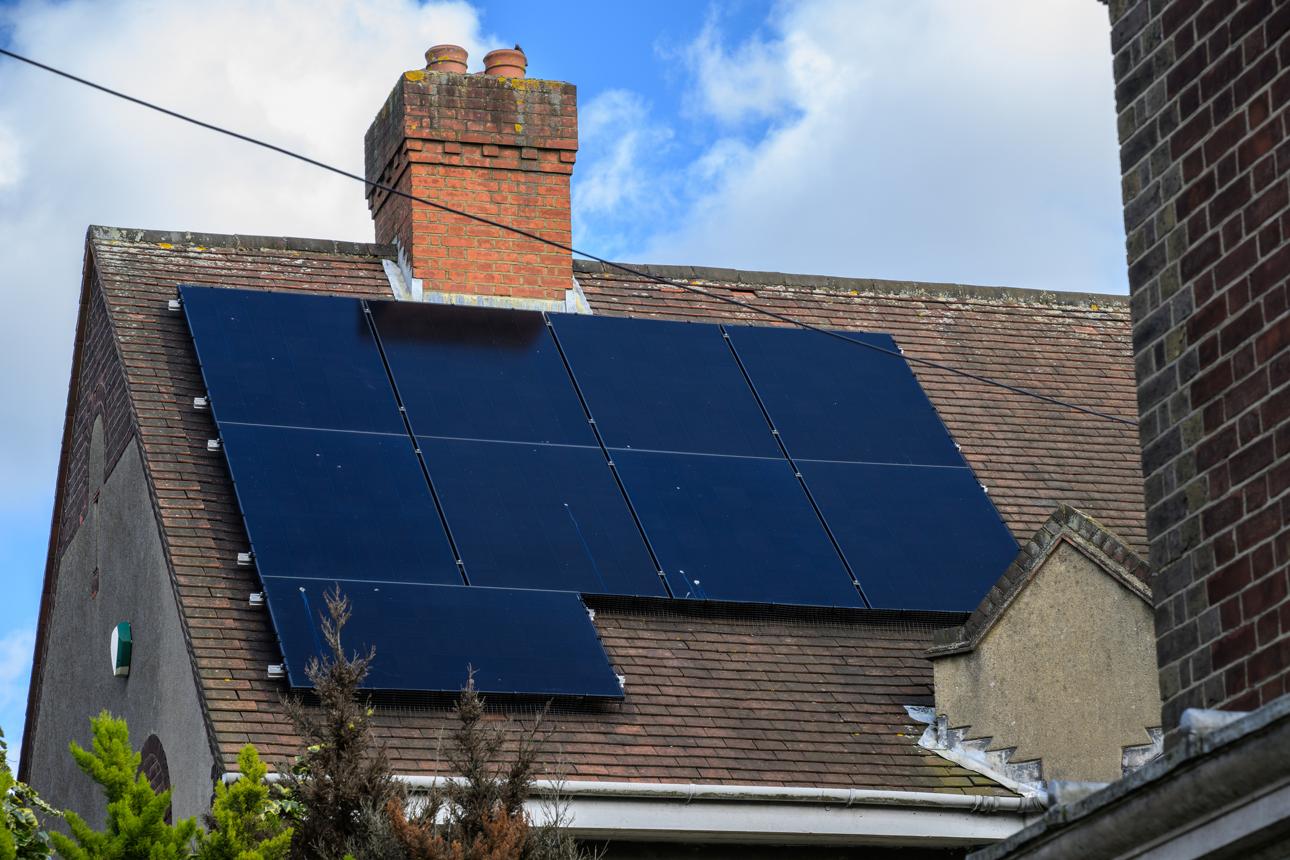
- Lower-rated properties may need more extensive retrofitting, including heating system replacement, glazing upgrades or renewable energy installations
In many cases, landlords are weighing whether to act now or wait for further clarity on upcoming regulatory changes, including the introduction of the Home Energy Model, which will reshape how efficiency is measured.
This creates a strategic dilemma. Investing early may future-proof assets, but acting too soon risks aligning with a system that is about to change.
Cost, Capacity and Practical Constraints
Beyond regulation, the challenge is increasingly practical.
Energy efficiency upgrades come with financial and logistical pressures. Proposed cost caps suggest landlords may need to invest up to £10,000 per property, with millions of homes still below the required standard.
At the same time, the sector faces a shortage of skilled trades, rising material costs and competing demand for retrofit services.
The result is a bottleneck effect. Even where intent exists, delivery capacity may limit how quickly improvements can be carried out.
A Shift in How Property Value Is Defined

What is emerging is a broader redefinition of property value.
Energy performance is no longer a secondary consideration. It is becoming a core metric influencing rental viability, tenant demand and long-term asset value. Properties with poor efficiency ratings risk:
- Reduced rental appeal
- Higher tenant turnover
- Potential loss of lettability altogether
Conversely, higher-performing homes are increasingly seen as future-ready, aligning with both regulatory requirements and tenant expectations.
Planning the Next Three Years
The NRLA’s question is ultimately less about opinion and more about timing.
For landlords, the next three years represent a transition period, a window in which decisions made today will determine whether properties remain viable in the next decade.
Some will act immediately, investing in upgrades to secure compliance and long-term value. Others may adopt a wait-and-see approach, monitoring regulatory developments before committing capital.
But the direction of travel is clear.
Energy efficiency is moving from a policy discussion to a practical requirement. And for many, the question is no longer whether improvements will be made, but when.