




Heriot-Watt University spin-out Kenoteq has developed the K‑BRIQ, an unfired brick made from over 90% construction and demolition waste, offering a low-carbon alternative to traditional clay bricks.
Game-Changing Carbon and Energy Savings
- The K‑BRIQ emits 95% less CO₂ than conventional bricks; for a two-bedroom home requiring 12,000 bricks, this reduces embodied carbon from 5.46 t to just 0.2 t CO₂e—comparable to removing a petrol car from the road for a year.
- Produced without firing and requiring one-tenth of the energy of fired bricks, it delivers dramatic savings on both emissions and production costs
Locally Sourced, Circular Economy Ready
- Constructed mainly from concrete, rubble, old bricks, and plasterboard—sourced locally in Scotland and processed on-site at Hamilton Waste & Recycling—the K‑BRIQ significantly cuts transport emissions
- This approach aligns with Scotland’s National Planning Framework and circular economy goals, treating waste as a resource
Recognised Leadership & Certifications
Kenoteq recently secured a major sustainability certification for producing one of the world’s most sustainable bricks. Dr Sam Chapman, Kenoteq co-founder and executive director, welcomed the recognition:
“This certification marks the arrival of a truly transformative building material for the construction and interior design industries.”
Industry Support and Scale-Up
- Early adoption by City of London developers and public sector organisations reveals strong interest in the K‑BRIQ’s low-carbon credentials.
- A £1 million investment from Zero Waste Scotland is funding the scale-up from pilot to industrial production with capacity to produce over 2 million bricks per year, creating around 15 new jobs.
Sam Chapman adds:
“The K‑BRIQ slashes energy use… as it has double the insulation properties of existing bricks and blocks.”
Applications in High‑Profile Projects
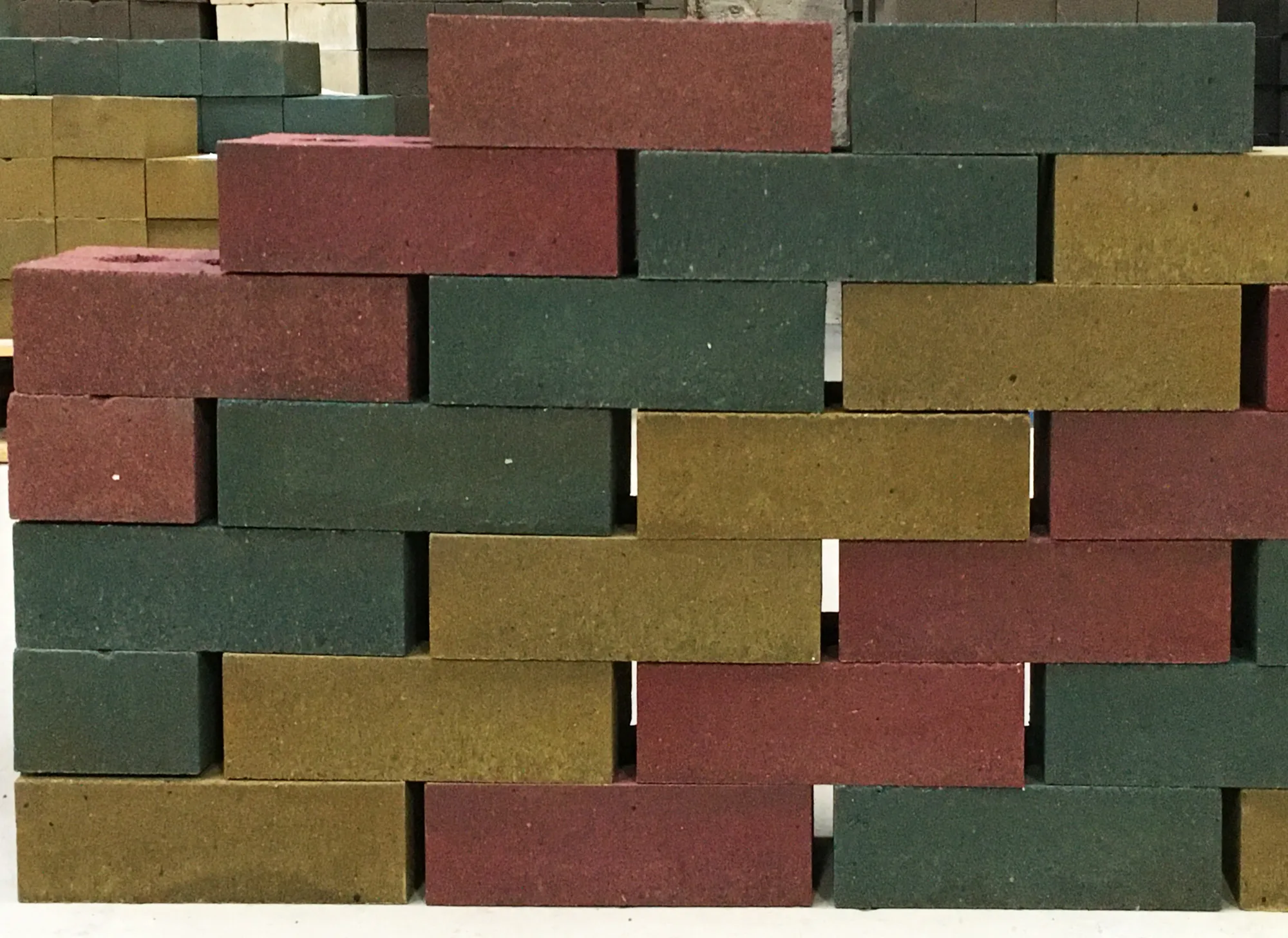
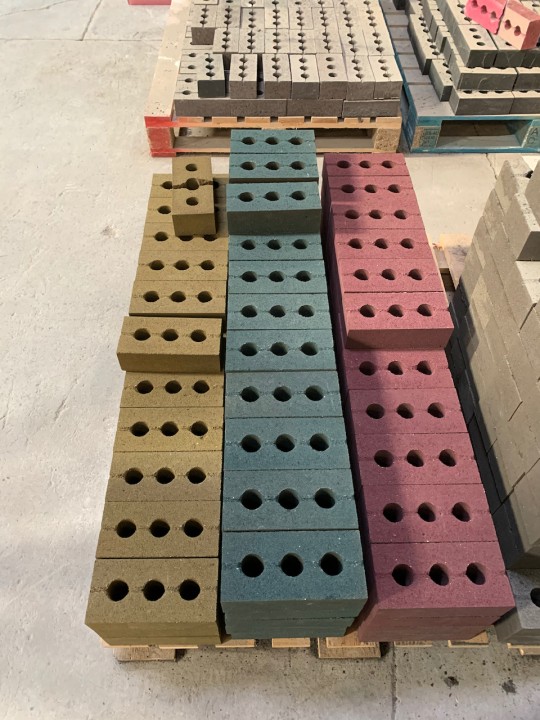
The K‑BRIQ has already featured in design showcases, including use in this year’s Serpentine Pavilion, offering architects a sustainable, customizable brick option in a variety of colors
Global Implications for Construction Waste
- Embodied carbon, such as the CO₂ locked in building materials, can represent over half a structure’s lifetime emissions—yet this traditionally has been overlooked
- With global construction accounting for vast waste streams, the K‑BRIQ demonstrates how industrial-scale recycling tech can make a meaningful dent in both waste and greenhouse gas emissions.
What’s Next
- Scale‑up and commercialization: Ongoing efforts to establish further production sites and expand market reach across the UK and Europe.
- Broader adoption: Anticipated inclusion in governmental sustainable-build mandates and private-sector green building standards.
- Product diversification: Research underway into adapting the K‑BRIQ for different building needs—higher insulation, aesthetic finishes, and other structural variations.
Final Word
With its low-carbon credentials, high insulation performance, and circular resource model, the K‑BRIQ from Kenoteq offers a compelling and scalable solution to the global problem of construction waste and embodied carbon. Supported by strong R&D and demonstrably applied innovation, it could reshape sustainable building practices in Scotland and beyond.