




The United States is poised to see solar power lead new electricity generation capacity additions through at least 2028, according to industry data and forecasts. New capacity from solar photovoltaic (PV) projects is expected to grow substantially over the next three years, vastly outpacing additions from other energy sources and underscoring a broader transition toward renewable energy in the U.S. power system.
Analysis of recent data reveals that solar has dominated new capacity additions in 2025 and is projected to continue doing so well into the latter part of the decade, reshaping the resource mix and signalling fundamental changes in how electricity is generated and delivered.
Solar’s Current Surge and Future Forecasts


Recent data from the Federal Energy Regulatory Commission (FERC) shows that solar energy has led new generating capacity additions in the United States for more than two years, a trend expected to continue. In 2025, solar accounted for roughly 72 per cent of all new utility-scale capacity added, far surpassing wind, natural gas, and other generation sources. Solar’s strong performance reflects both utility-scale deployments and advances in technology that have lowered installation and operating costs.
Looking ahead, FERC forecasts that solar could add more than 86 GW of net new capacity between late 2025 and late 2028 — more than four times the expected additions from wind power over the same period. This projected build-out stems from a robust pipeline of planned and high-probability projects nationwide.
Such growth means that, relative to historical patterns, solar is not only increasing in absolute terms but also increasing its share of overall power capacity additions, further cementing its role as a primary driver of U.S. generation expansion.
What’s Driving Solar’s Dominance?
Multiple economic and policy factors underpin solar’s rapid adoption:
- Cost Competitiveness: Continued declines in PV module prices and balance-of-system costs have made solar one of the most affordable forms of new power generation.
- Policy Support: Federal and state incentives, including tax credits and renewable portfolio standards, have supported investment in large-scale solar infrastructure.
- Corporate and Institutional Demand: Power purchase agreements (PPAs) and corporate commitments to carbon reduction have driven large off-take deals for new solar projects.
- Grid Integration Advances: Improvements in grid interconnection processes and storage solutions have made it easier for developers to deploy utility-scale projects.
In 2025, solar continued to outpace other generation sources, contributing a substantial share of total new capacity additions and affirming its position as the leading resource in the U.S. power mix.
The Broader Renewable Picture
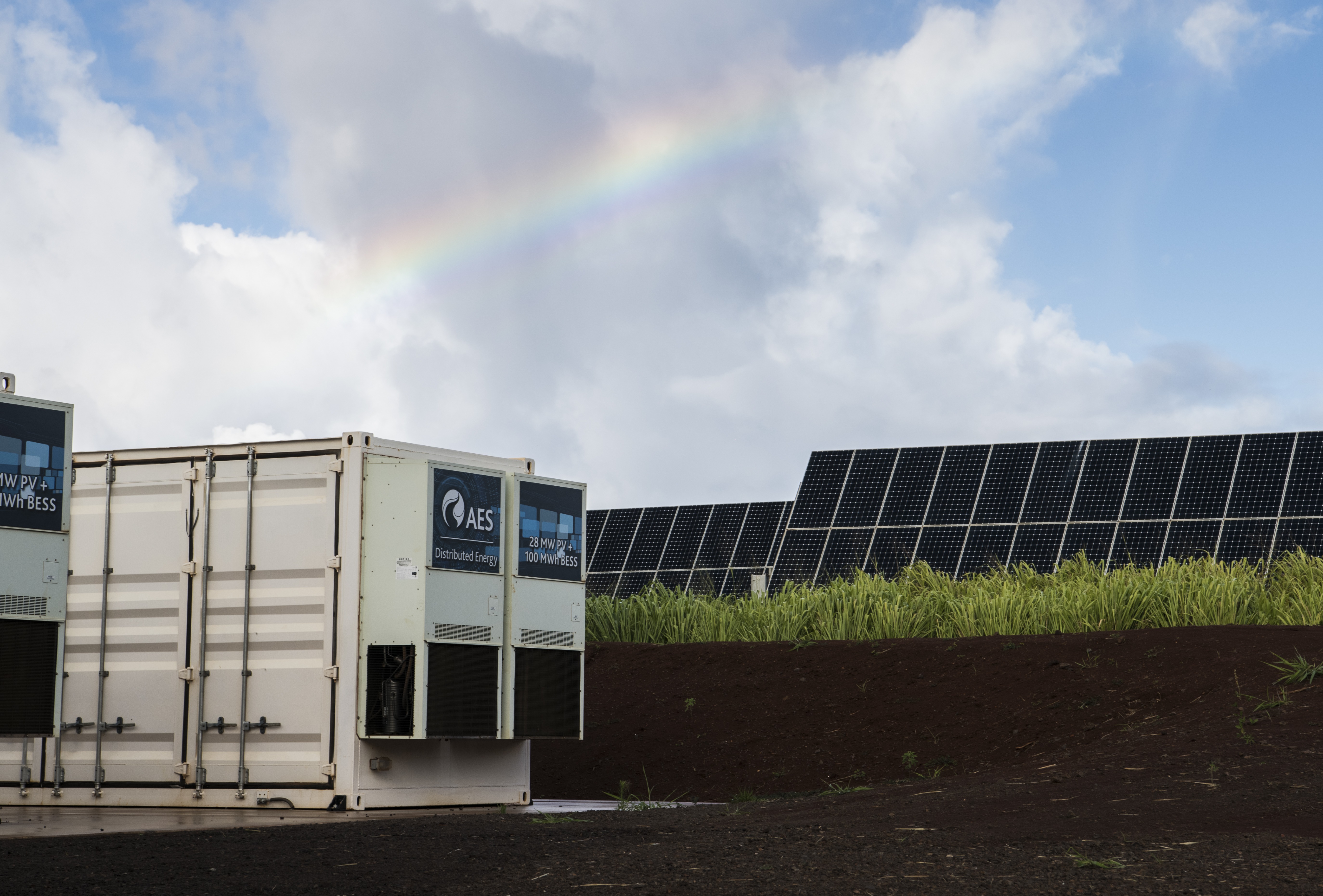
While solar leads additions, wind power also plays a significant role in the renewable expansion. Combined, solar and wind accounted for more than 90 per cent of new capacity added in recent months, reflecting the strength of renewable sources in capturing market share from traditional fossil fuels.
Battery storage is also becoming an increasingly important part of new capacity additions, supporting solar and wind integration by helping to balance supply and demand across the grid. Forecasts suggest that solar, wind, and storage could together constitute virtually all new capacity in 2026 and beyond, further diminishing the relative role of fossil sources in new generation build-out.
Challenges and Market Dynamics

Despite strong momentum, the renewable expansion — particularly solar — faces challenges that could shape future development:
- Supply Chain Constraints: Raw material availability, especially for photovoltaic components, remains a concern that could affect deployment timelines and costs.
- Permitting and Grid Bottlenecks: Siting, interconnection delays, and grid capacity constraints can slow project delivery, particularly in high-demand regions.
- Policy Uncertainty: Shifts in federal and state policy support could influence investment decisions in the coming years.
Industry analysts caution that while solar’s projected dominance is robust, addressing these structural issues will be essential to fully realise capacity forecasts through 2028.
The Road Ahead: Implications for U.S. Power Systems
The expected growth of solar capacity through 2028 has implications for the broader energy landscape. Increased solar deployment can contribute to emissions reductions, economic development in manufacturing and construction, and diversification of the energy mix. It also pressures grid operators and policymakers to modernise infrastructure and planning processes to accommodate distributed and utility-scale renewable sources.
As solar continues its ascent, stakeholders across the electricity sector — including utilities, regulators, developers, and consumers — will be watching how integration challenges and policy frameworks evolve to support a primarily renewable future.