



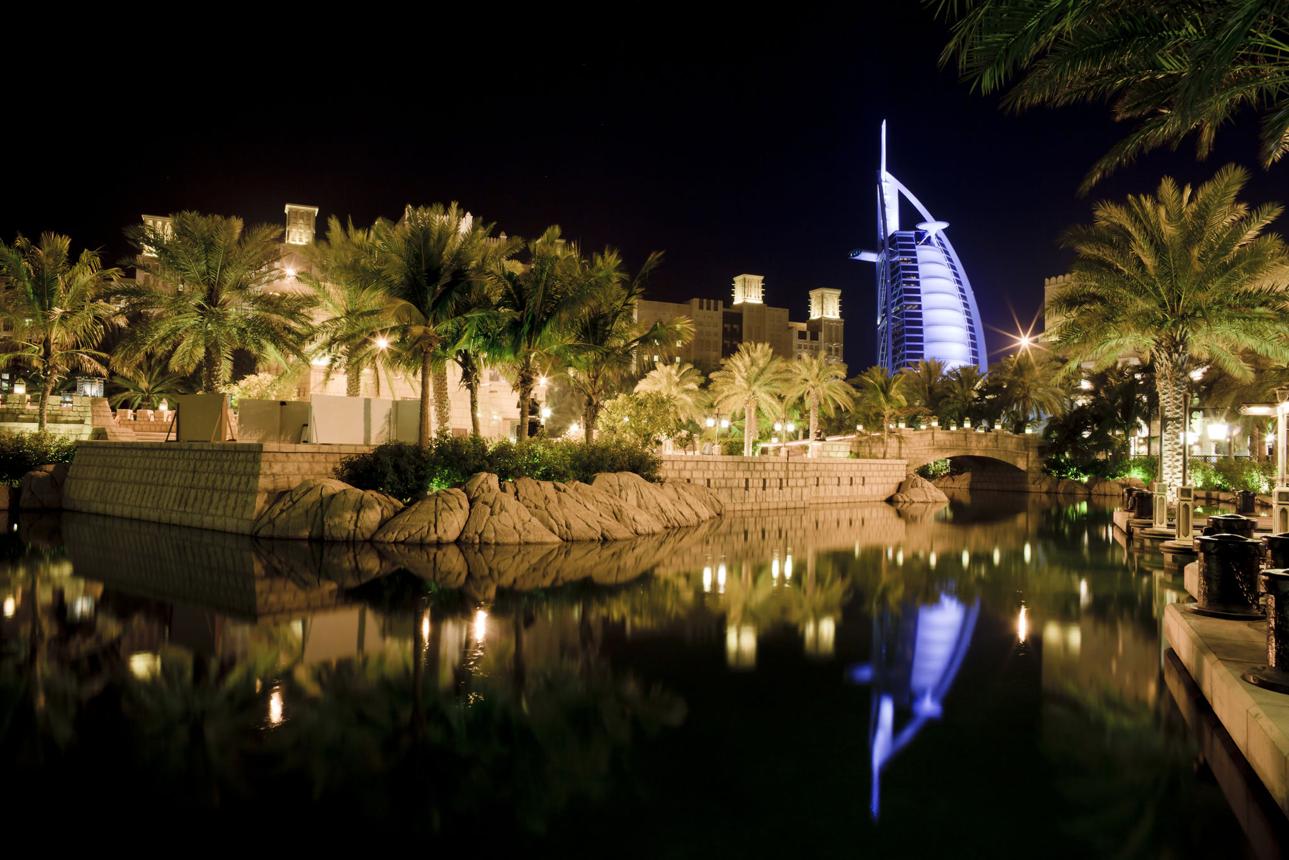
For years, five-star travel was often defined by excess: larger suites, grander lobbies, gold finishes and increasingly theatrical experiences designed to impress on arrival. But across Africa and the Middle East, a different style of luxury is emerging. One rooted less in spectacle and more in atmosphere, privacy, cultural depth and emotional connection.
The world’s most desirable hotels are no longer simply places to stay. They are becoming lifestyle environments designed around identity, restoration and experience.
And nowhere is that evolution more visible than across Africa and the Middle East.
From the coastline of Monaco-inspired North Africa to the deserts of the Gulf and the wildlife landscapes of East Africa, luxury hospitality throughout the region is entering a new era where authenticity carries as much value as opulence itself.

Many of the region’s leading luxury properties are now deliberately moving away from traditional international hotel formulas. Instead of creating interchangeable global experiences, brands are increasingly building hotels deeply connected to local culture, architecture and geography.
This shift reflects broader changes taking place across luxury travel worldwide.
Affluent travellers increasingly want emotional experiences rather than visible status alone. Privacy has become more desirable than attention. Atmosphere has become more important than scale. Guests are seeking environments that feel curated, immersive and deeply personal rather than simply expensive.
Across East Africa, this philosophy is becoming central to the region’s hospitality identity.
Industry voices have increasingly argued that true luxury is not defined by marble finishes or extravagant branding, but by care, service and authenticity. Properties such as Angama Mara in Kenya, One&Only Nyungwe House in Rwanda and Kisiwa on the Beach in Zanzibar have been highlighted for delivering luxury through emotional connection, storytelling and a strong sense of place rather than performative excess.
That distinction matters because travellers are becoming far more selective about what luxury actually means.

The Middle East is experiencing a similar transformation, although expressed through a very different aesthetic language.
Cities such as Dubai, Abu Dhabi and Doha remain synonymous with ambitious hospitality scale, yet even within these ultra-modern luxury hubs, the market is increasingly shifting toward more refined and experience-led concepts. Wellness integration, residential-style design and lifestyle-driven hospitality are becoming central pillars of the region’s luxury evolution.
Brands such as Jumeirah, Mandarin Oriental and Six Senses continue expanding luxury concepts across the Middle East and Africa, blending local identity with global service standards.
At the ultra-premium level, hospitality is increasingly becoming indistinguishable from lifestyle itself.
Hotels are no longer simply competing on accommodation. They are competing on emotional atmosphere, architecture, wellness integration, culinary identity and cultural relevance. Restaurants, spas, private beach clubs and curated experiences are now just as important as the rooms themselves.
This is especially visible in Riviera-style destinations across North Africa and the Mediterranean luxury circuit.
Properties inspired by the timeless elegance of Monte-Carlo, Saint-Tropez and the Côte d’Azur continue influencing hospitality design throughout the wider region. The appeal lies in understated glamour rather than overt extravagance: Mediterranean light, quiet architecture, coastal calm and environments designed around effortless living.
Hotels such as Hôtel de Paris Monte-Carlo, Hôtel Hermitage Monte-Carlo and Monte-Carlo Bay Hotel & Resort remain iconic examples of how timeless luxury can evolve while preserving atmosphere and heritage.


Sustainability is also becoming inseparable from modern luxury hospitality.
Across both Africa and the Middle East, many of the region’s leading hotels are now integrating environmental consciousness directly into the guest experience. Eco-sensitive architecture, locally sourced materials, renewable energy integration and community partnerships are becoming increasingly important for affluent travellers who expect luxury to feel responsible as well as beautiful.
Brands such as Soneva and COMO Hotels and Resorts have helped accelerate this movement globally, combining sustainability with high-end experiential travel.
That evolution is reshaping the definition of exclusivity itself.
The most aspirational luxury hotels today are often the quietest ones. Smaller room counts, remote locations, highly personalised service and immersive cultural experiences are becoming more valuable than sheer scale or visual extravagance.
In many ways, luxury hospitality is moving toward intimacy.
This is why boutique safari lodges, private island resorts and wellness-focused retreats across Africa and the Middle East are increasingly outperforming traditional large-format luxury models among ultra-high-net-worth travellers.
The future of hospitality throughout the region will likely continue following this direction.
Technology will remain present, but increasingly invisible. Wellness will become foundational rather than optional. Design will lean further into local identity and cultural depth. And emotional atmosphere will continue replacing overt spectacle as the defining marker of premium travel.
Because ultimately, the best luxury hotels are no longer simply selling rooms.
They are selling a feeling.
And across Africa and the Middle East, that feeling is increasingly being defined by authenticity, privacy, beauty and the rare ability to make time itself seem slower.