



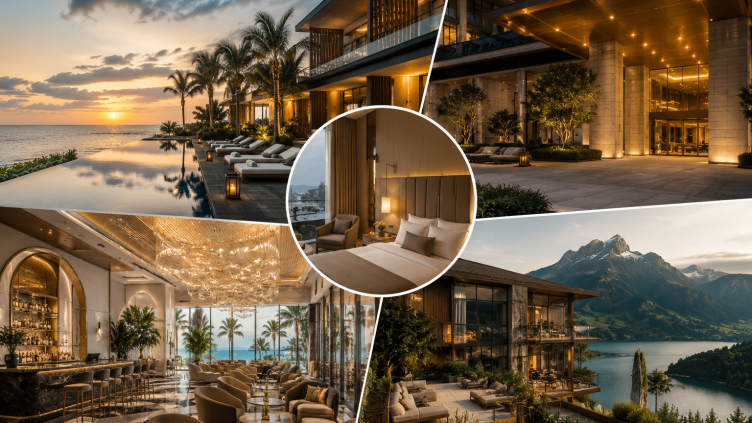
From a secluded Aman retreat on Mexico’s East Cape to a restored Belle Époque palace overlooking Saint-Tropez, this year’s most anticipated hotel openings are redefining luxury through privacy, heritage, design and a deeper connection to place.
Luxury hospitality is entering a more considered era. The most compelling hotel openings of 2026 are not simply competing through size, extravagant suites or increasingly elaborate facilities. Instead, they are placing greater emphasis on location, cultural identity, architectural restoration and experiences that cannot easily be replicated elsewhere.
Across Mexico, the United States and Europe, established hospitality brands are introducing properties shaped by their surroundings. Desert landscapes meet the Sea of Cortés at Amanvari, Art Deco glamour returns to Miami Beach, while historic estates in France, Italy and Greece are being transformed into highly individual retreats.
Together, these five openings offer a revealing snapshot of where the upper end of global travel is heading.
Amanvari, Baja California Sur, Mexico
Desert seclusion on the Sea of Cortés
Set within Costa Palmas on Mexico’s remote East Cape, Amanvari will welcome its first guests on 1 August 2026. The resort occupies a landscape where desert, estuary and sea converge, creating the sense of isolation that has long defined the Aman brand.
Only 18 casitas will form the heart of the property. Some are elevated above the landscape, while others sit beside the estuary or directly on the sand. Floor-to-ceiling windows, open-air courtyards and terraces have been designed to dissolve the distinction between the accommodation and its natural surroundings.
A palette of sand tones and organic materials reflects the landscape beyond, while views extend towards the Sea of Cortés and the Sierra de la Laguna mountains.
Guests will also have access to the wider 1,500-acre Costa Palmas estate, including three miles of swimmable shoreline, organic farms and orchards, a marina, yacht club and golf course. Activities will range from diving and snorkelling to riding, hiking and sailing.
“The defining luxury at Amanvari will not be excess, but space, stillness and uninterrupted access to one of Mexico’s most dramatic coastal landscapes.”
Delano Miami Beach, Florida, USA
An Art Deco icon begins a new chapter
Few hotels are as closely connected to modern Miami hospitality as the Delano.
The Collins Avenue landmark became one of South Beach’s defining addresses following its celebrated 1990s transformation. Its white Art Deco exterior, theatrical interiors and social atmosphere helped establish a new style of urban resort that influenced hotels around the world.
Following an extensive restoration, Delano Miami Beach returns with 171 rooms and suites, including poolside bungalows and penthouses. The renewed property combines its preserved architectural identity with updated accommodation, wellness facilities, curated retail and four dining and drinking destinations.
Among them will be the return of the Rose Bar, once one of Miami’s most recognisable meeting places. Private beach access and the hotel’s distinctive pool environment will remain central to the experience.
The challenge lies in preserving the mythology of the original while making the property relevant to a generation that has different expectations surrounding wellness, technology, service and cultural programming.
Rather than attempting to recreate the past exactly, the new Delano aims to interpret its glamour through a contemporary lens. Art, dining, nightlife and wellbeing are expected to form a connected experience rather than operate as separate hotel amenities.
COMO Le Beauvallon, Grimaud, France
Belle Époque glamour returns to the Riviera
Across the bay from Saint-Tropez, COMO Le Beauvallon has reopened one of the French Riviera’s most storied hospitality addresses.
The property began life as a Belle Époque palace in 1914 and sits within approximately 10 acres of gardens and waterfront grounds. Its restoration preserves the estate’s historic scale and character while introducing the quieter, wellness-focused approach associated with COMO Hotels and Resorts.
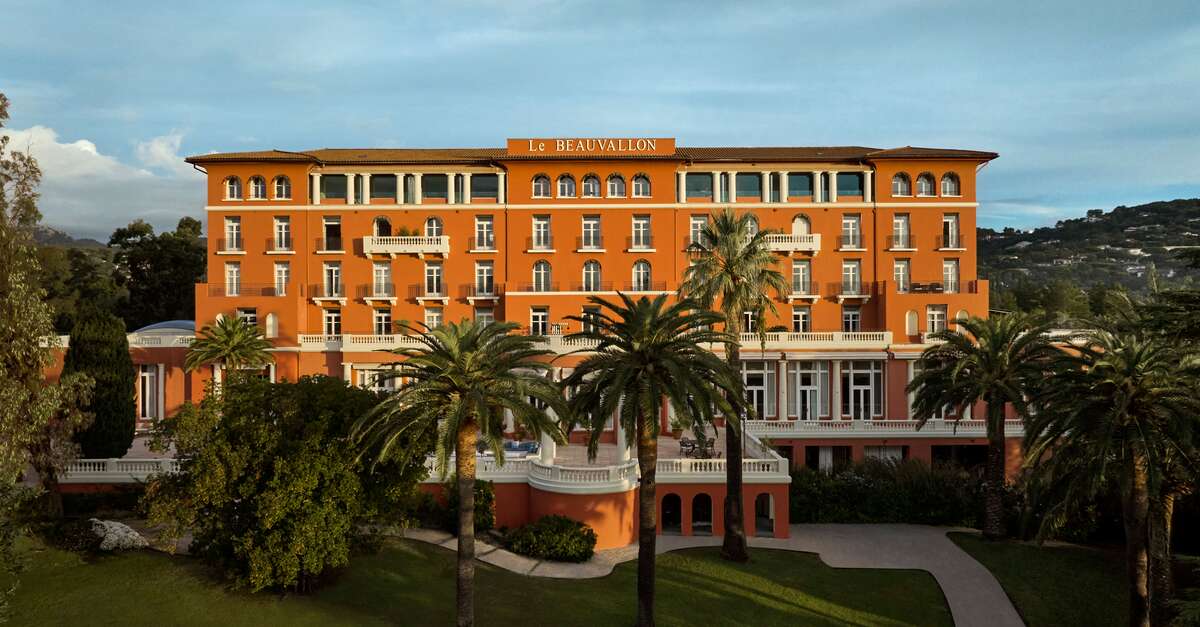
The retreat contains 42 individually designed rooms and sea-facing suites, including the signature COMO Suite. Many of the suites open towards the yacht-filled Gulf of Saint-Tropez, while rooms facing inland overlook the surrounding Provençal hills.
A private pontoon allows guests to arrive by sea, while complimentary boat transfers connect the hotel with Saint-Tropez in approximately eight minutes.
Elsewhere, the estate includes a 25-metre pool, private yacht experiences and extensive Mediterranean gardens. Culinary direction comes from celebrated French chef Yannick Alléno, whose Beauvallon Sur Mer restaurant combines Mediterranean ingredients with subtle Asian influences.
The hotel offers something increasingly rare around Saint-Tropez: proximity without exposure. Guests can reach the energy of the harbour within minutes before returning to a private waterfront estate away from its crowds.
Airelles Palladio, Venice, Italy
A private Venetian world on Giudecca
Airelles Palladio brings the French hospitality brand to Italy for the first time, occupying a restored 16th-century estate on Venice’s Giudecca island.
Facing St Mark’s Square from across the lagoon, the property offers a more secluded interpretation of Venice. It is close to the city’s most celebrated landmarks, yet removed from the busiest visitor routes.
Inside, 17 rooms and 28 suites have been individually created using hand-painted frescoes, antique furniture and fabrics from Venetian houses including Rubelli and Fortuny. A separate three-bedroom villa introduces an additional level of privacy.
The estate is surrounded by almost one hectare of gardens and includes three swimming pools. Its wellness sanctuary extends across more than 1,700 square metres, while families have access to a dedicated children’s programme.
Food will be equally central to the experience. Airelles has assembled several notable culinary names, with concepts including Matsuhisa and the first Italian address from pastry chef Cédric Grolet.
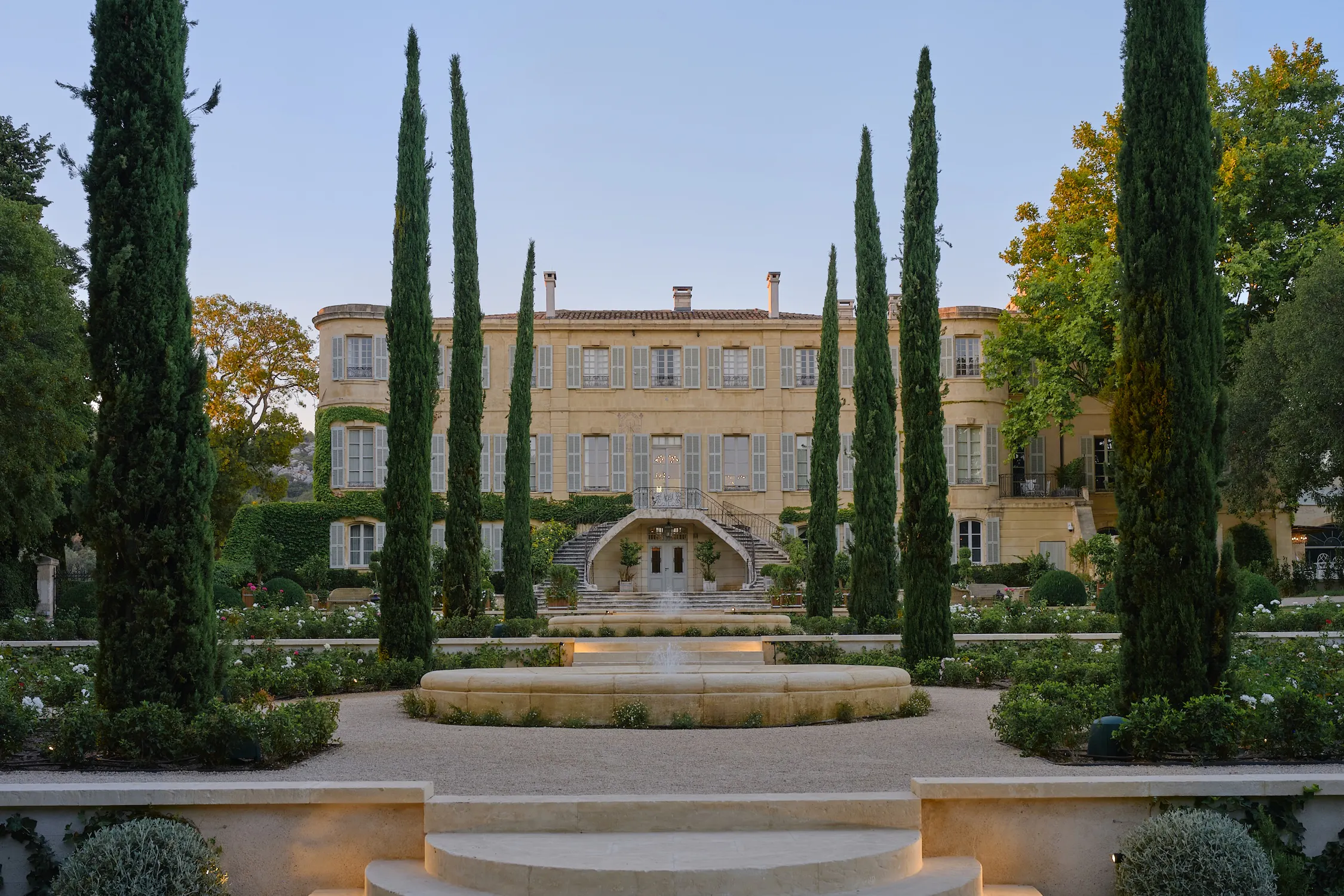
Venice has no shortage of grand hotels, but Palladio’s gardens, pools and island setting give it the character of a resort within the city. Its appeal will lie in allowing guests to experience Venice’s artistic intensity while maintaining a sense of space and retreat.
Luura – Cliff, Paros, Greece
A new adults-only address above the Aegean
Opening in August 2026, Luura – Cliff will bring the Morgans Originals collection to the Greek island of Paros.
The adults-only property is being developed around a low-density approach, with 39 sea-view suites arranged across a dramatic clifftop location. Private pools, pale natural finishes and architecture influenced by Cycladic forms will frame uninterrupted views towards neighbouring Antiparos. The original Business Lifestyle selection also highlights four dining venues, an infinity pool and dedicated wellness facilities.
Luura arrives as Paros continues its transition from a quieter alternative to Mykonos into an international luxury destination in its own right. The island’s whitewashed villages, small harbours and beaches have attracted growing interest from premium hotel groups, but its strongest properties continue to emphasise intimacy rather than scale.
The property’s success will depend on maintaining that sense of place. Cycladic architecture has often been imitated, but the most convincing new hotels use it as a starting point rather than reducing it to a visual theme.
A more meaningful definition of luxury
These openings reveal several common priorities shaping modern high-end hospitality.
Privacy remains valuable, but it is increasingly being delivered through space and thoughtful planning rather than isolation alone. Amanvari limits its accommodation to 18 casitas, while Luura and COMO Le Beauvallon favour comparatively small room counts and close relationships with their landscapes.
Heritage is equally important. Delano Miami Beach, COMO Le Beauvallon and Airelles Palladio are not newly invented destinations. Each depends on the careful revival of an existing architectural and cultural identity.
Wellness has also moved beyond the conventional hotel spa. It now influences menus, landscape design, sleep, movement and the overall pace of a stay. At the same time, private boats, distinctive restaurants and access to local landscapes are becoming central to how hotels differentiate themselves.
The strongest luxury hotels of 2026 are therefore not attempting to offer everything to everyone. They are building clearly defined worlds around their locations.
From the desert coastline of Baja California Sur to the canals of Venice, each of these properties promises an experience that could exist nowhere else. In an increasingly crowded luxury market, that sense of belonging may be the most valuable amenity of all.