




Trafigura has taken a significant step in aviation decarbonisation after signing a long-term offtake agreement for advanced sustainable aviation fuel (SAF) produced from biogas, reinforcing its growing role in the global low-carbon fuels market.
The multi-year agreement will see Trafigura purchase the full production output from a new commercial SAF facility currently under development in Uruguay, with first deliveries expected later this decade. The deal also provides flexibility to expand volumes as additional projects are developed.
Turning waste into fuel for flight
The SAF covered by the agreement is produced using biogas sourced from agricultural and industrial waste, combined with renewable electricity and advanced chemical conversion technology. This process transforms renewable feedstocks into synthetic aviation fuel suitable for use in existing aircraft engines without modification.
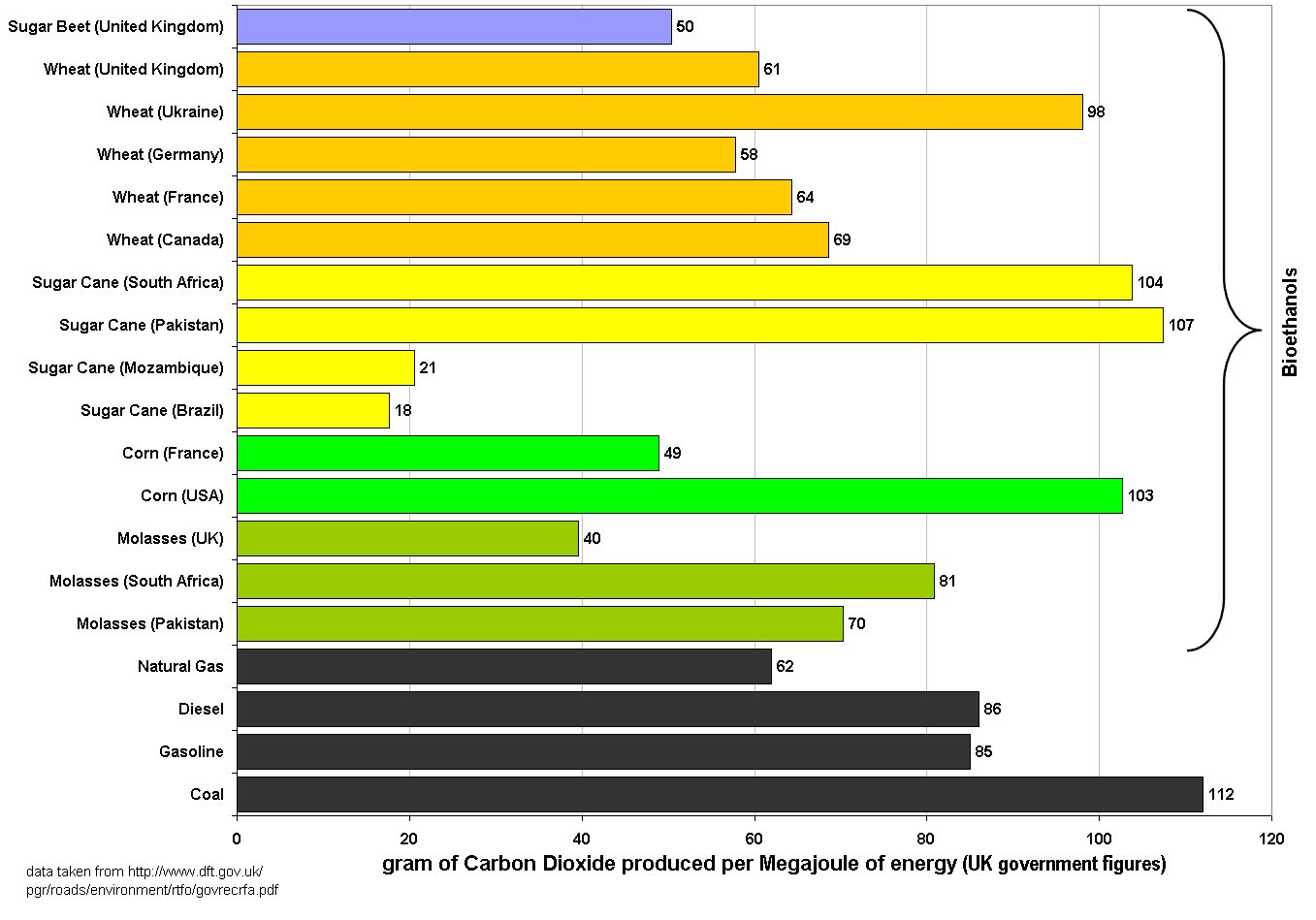
The resulting fuel is designed to achieve dramatically lower lifecycle carbon emissions compared with conventional fossil-based jet fuel, making it a strong candidate for helping airlines meet increasingly stringent sustainability targets.
By utilising waste-derived biogas, the production pathway also supports circular-economy principles, converting materials that would otherwise emit greenhouse gases into a valuable low-carbon energy source.
Supporting the scale-up of sustainable aviation fuel
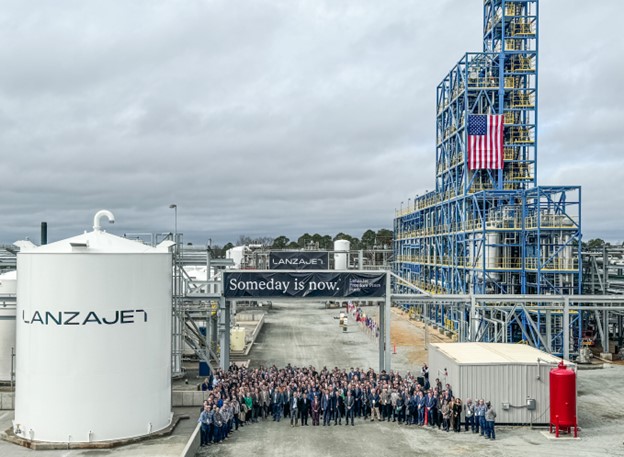


Long-term offtake agreements are widely seen as a critical enabler for scaling SAF production. By committing to purchase future output, Trafigura provides commercial certainty that helps developers move projects from planning into financing and construction.
This type of commitment is particularly important for advanced SAF pathways, which often rely on newer technologies and higher upfront investment. Guaranteed demand reduces risk and accelerates the transition from pilot projects to industrial-scale production.
Meeting rising demand for low-carbon aviation fuels
Demand for SAF is expected to grow rapidly as governments introduce blending mandates and airlines pursue net-zero commitments. Europe and the UK, in particular, are moving toward requirements that will steadily increase the proportion of sustainable fuel used in commercial aviation.
By securing access to advanced, compliant SAF volumes, Trafigura is positioning itself to support airlines and fuel distributors navigating this regulatory shift, while expanding its own low-carbon energy portfolio.
A strategic move in Trafigura’s energy transition
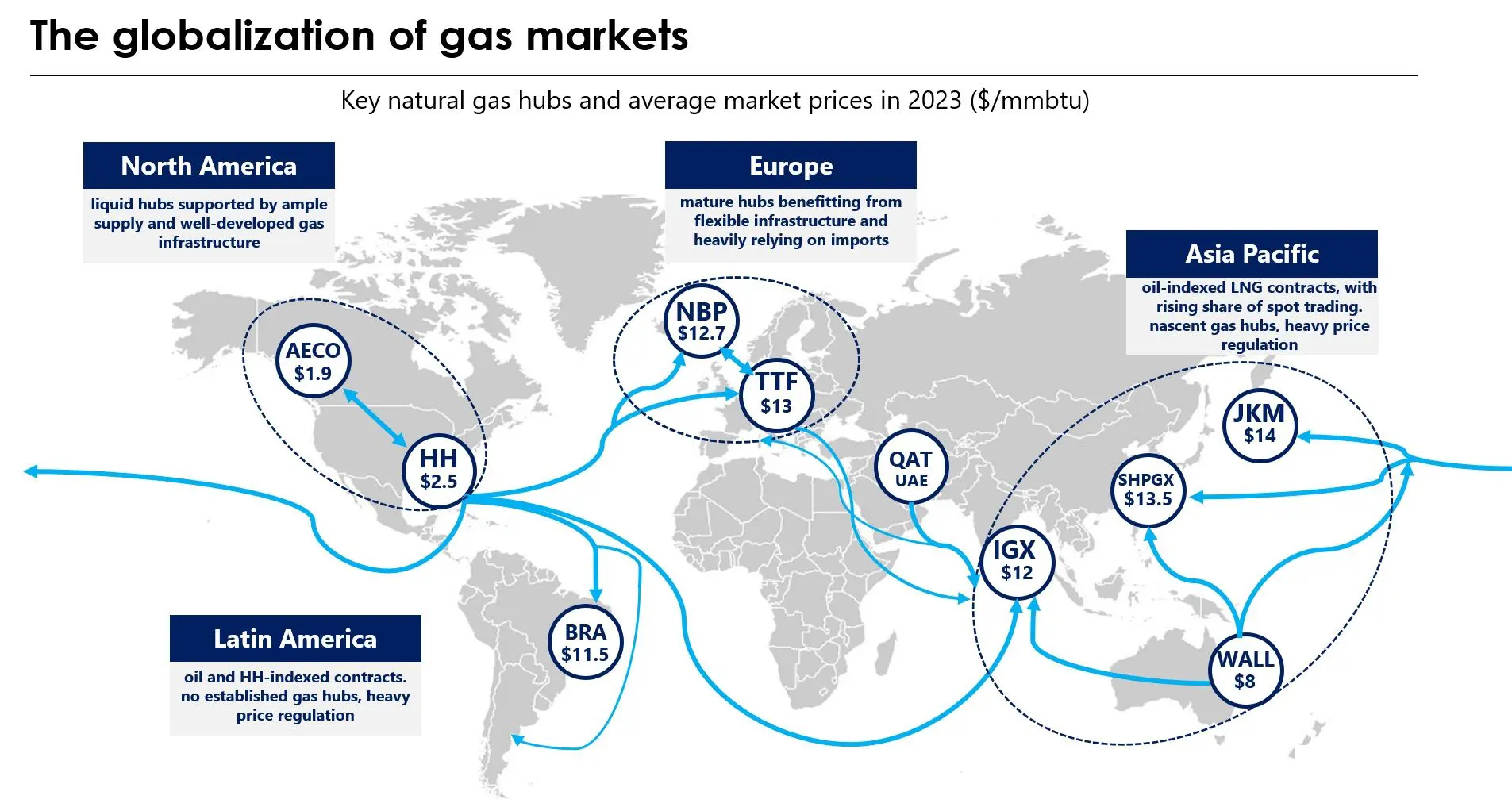
The agreement aligns with Trafigura’s broader strategy to grow its presence in renewable and transitional energy markets, alongside its established commodities trading business. Sustainable aviation fuel is increasingly viewed as one of the most practical near-term solutions for reducing aviation emissions, given the limitations of electrification for long-haul flight.
By backing advanced SAF production from biogas, Trafigura is supporting technologies that can deliver meaningful emissions reductions while remaining compatible with existing aviation infrastructure.
Accelerating progress toward cleaner aviation
Decarbonising aviation remains one of the toughest challenges in the global energy transition. While new aircraft technologies will take time to mature, sustainable aviation fuel offers an immediate pathway to reduce emissions using today’s fleets.
Agreements such as this one highlight how collaboration between fuel producers, technology developers and global traders can help unlock scale, investment and momentum in the SAF market — bringing cleaner flight closer to commercial reality.