



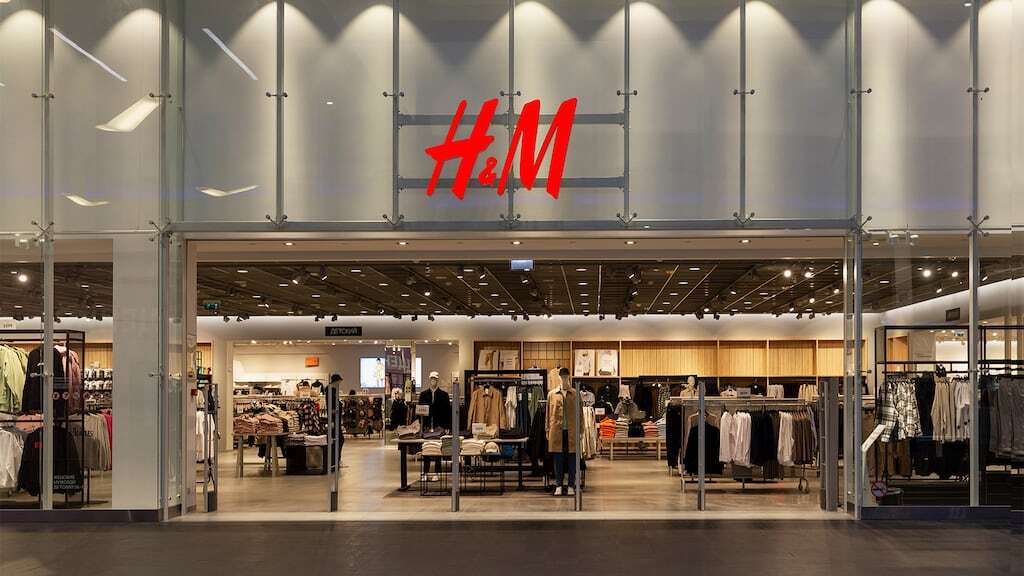
In an industry increasingly cautious about what it says on sustainability, H&M has chosen a different approach.
It is speaking more, not less.
At a time when many fashion brands are quietly scaling back bold environmental claims amid tightening regulation and rising scrutiny, H&M’s latest sustainability report stands out for doing the opposite. It continues to foreground emissions targets, progress metrics, and long-term commitments—despite the growing risks of being challenged on them.
That decision is unusual. And it says as much about the state of fashion as it does about H&M itself.
An Industry Learning to Say Less
Over the past two years, sustainability messaging across fashion has entered a period of recalibration.
Regulators in Europe and beyond are cracking down on vague or misleading environmental claims. Brands that once leaned heavily on terms like “conscious,” “eco,” or “sustainable” are now pulling back, refining language, or removing campaigns altogether.
The shift is simple: say less, prove more.
Against that backdrop, H&M’s report feels almost counter-cultural. Rather than retreating into minimal disclosure, it continues to publish detailed emissions goals and progress updates, keeping sustainability firmly in the spotlight.
It is a higher-risk strategy. But also, arguably, a more transparent one.
Why H&M’s Approach Is Different
4
What makes the report unusual is not just its visibility, but its positioning.
H&M is one of a shrinking number of major fashion companies still openly emphasising emissions targets as a central narrative.
This matters because of the scale involved.
Fast fashion operates on volume. Large production runs, rapid turnover, and global distribution networks define the model. That same scale also makes sustainability commitments harder to achieve—and easier to scrutinise.
By continuing to publish detailed targets, H&M is effectively inviting that scrutiny.
At the same time, the company highlights measurable progress, including a growing share of recycled and sustainably sourced materials, which reached close to 90 percent in recent reporting.
The message is clear: progress is happening, but it is incremental, not transformative.
The Core Tension: Growth vs Sustainability
At the heart of the conversation lies a contradiction the industry has yet to resolve.
Fast fashion is built on selling more.
Sustainability, in its truest sense, often requires producing less.
Even as H&M invests in circular models, recycled materials, and supply chain improvements, its business still depends on high-volume production and global consumption patterns. Critics argue that this structural reality limits how far sustainability efforts can go.
This is not unique to H&M. It is a systemic challenge across the entire sector.
But by continuing to publish detailed sustainability reporting, H&M brings that tension into sharper focus than most.
Transparency as Strategy
4
There is a strategic dimension to this openness.
In an environment where accusations of greenwashing can damage brand credibility, transparency itself becomes a form of positioning. By continuing to disclose targets, methodologies, and progress, H&M signals a willingness to be measured—even if the results are imperfect.
That does not eliminate criticism. But it changes the conversation.
Instead of being accused of saying too much, the brand risks being judged on what it reports.
And increasingly, that may be the point.
A Signal for the Wider Industry
H&M’s report reflects a broader shift in how sustainability is communicated.
The era of broad, aspirational messaging is giving way to something more precise—and more accountable. Brands are being forced to back claims with data, withstand regulatory scrutiny, and navigate a consumer base that is more informed and more sceptical than ever.
In that context, H&M’s approach feels like an early test of what future reporting could look like.
Less polished. More exposed. And far more measurable.
The Bigger Picture
H&M’s sustainability report is unusual not because it claims perfection, but because it does not retreat from imperfection.
It continues to present targets, progress, and challenges in a climate where many brands are choosing caution over visibility.
Whether that approach ultimately strengthens trust or amplifies criticism remains to be seen.
But one thing is clear.
In modern fashion, sustainability is no longer just about what companies do.
It is about what they are willing to show.