



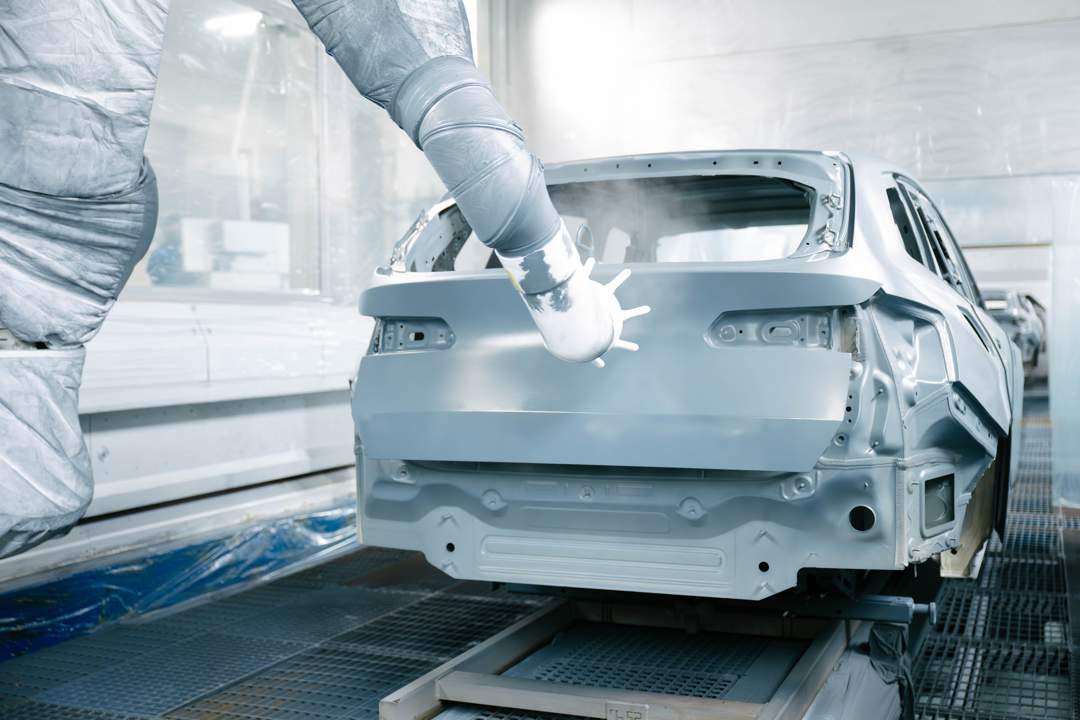
In an industry historically defined by resource intensity and industrial excess, BMW Group is quietly reshaping what modern manufacturing can look like. At its Rosslyn plant in Pretoria, South Africa, sustainability is not an add-on or a marketing layer. It is embedded into the very fabric of how vehicles are built.
The result is a facility that has achieved what many manufacturers still struggle to approach: a zero-waste-to-landfill operation, where every material is reused, recycled, or repurposed.
This is not simply about efficiency. It is about redefining industrial responsibility at scale.
From Waste to Resource: A Circular Mindset
At Rosslyn, the concept of “waste” has effectively been eliminated. Materials once destined for landfill are now treated as inputs for new processes, often in unexpected ways.
Packaging materials such as polystyrene are repurposed into construction products, while other by-products are redirected into secondary industrial uses. This approach reflects a broader shift toward a circular economy, where value is continuously extracted rather than discarded.
It is a philosophy that aligns with BMW’s wider lifecycle approach to sustainability, where responsibility extends from raw material sourcing to end-of-life recycling.
Water, Energy, and Precision Efficiency
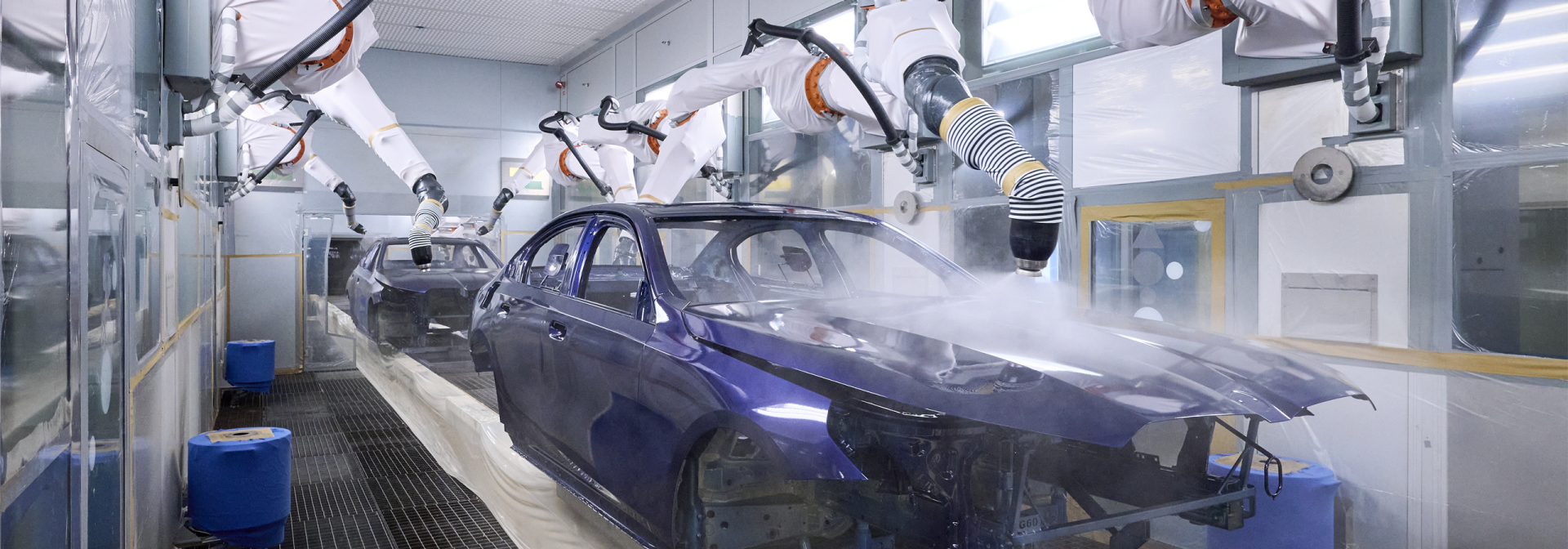
Beyond waste reduction, Rosslyn has made significant advances in resource efficiency. Water consumption has been reduced dramatically through closed-loop systems and process optimisation, while energy use is increasingly aligned with cleaner, more efficient production methods.
One of the most critical areas is the paint shop, traditionally among the most resource-intensive parts of automotive manufacturing. Here, advanced technologies minimise water and energy usage while maintaining the precision and finish expected of a premium brand.
The result is a production environment where sustainability enhances performance rather than compromising it.
A Global Benchmark in Local Context
The Rosslyn plant holds a unique position within BMW’s global manufacturing network. It is not merely a regional facility but a globally competitive production hub, responsible for exporting vehicles to markets across Europe and beyond.
In fact, it has become the exclusive global production site for certain models, demonstrating that sustainability and high performance are not mutually exclusive, but increasingly interdependent.
Operating within a network of more than 30 BMW plants worldwide, Rosslyn competes directly on cost, quality, and reliability. Its sustainability credentials are not a differentiator on paper alone. They are part of what keeps the plant competitive in a global allocation system where underperformance leads to lost production.
Technology, People, and the Human Factor
While automation and AI play an increasing role in quality control and predictive maintenance, Rosslyn’s success is equally rooted in its people.
Around 2,800 employees form the backbone of the operation, supported by continuous training programmes and skills development initiatives that extend beyond the factory floor.
Importantly, BMW’s approach to technology is not centred on replacement, but augmentation. AI is used to enhance precision, identify defects, and anticipate maintenance needs, allowing human expertise to focus on higher-value tasks.
This balance between human capability and technological advancement is central to the plant’s long-term resilience.
Sustainability Beyond the Factory Gates
The impact of Rosslyn’s sustainability strategy extends into the surrounding community. Initiatives such as repurposing second-life batteries for local energy solutions and supporting off-grid infrastructure projects demonstrate a broader commitment to social sustainability.
In this sense, the plant operates not just as a manufacturing site, but as a node in a wider ecosystem, influencing supply chains, local economies, and environmental outcomes.
Video Feature: Inside BMW’s Sustainable Production Vision
The Future of Automotive Manufacturing
What is happening at Rosslyn is not an isolated experiment. It is a signal of where the automotive industry is heading.
As electrification accelerates and regulatory pressures increase, manufacturers are being forced to rethink not just what they produce, but how they produce it. Facilities like Rosslyn offer a glimpse into that future: one where efficiency, sustainability, and profitability converge.
BMW’s investment in the plant, alongside its broader electrification strategy, underscores a long-term commitment to this model of production.
A New Industrial Standard
Rosslyn challenges a long-standing assumption in manufacturing: that sustainability is a constraint.
Instead, it presents a different reality. One where eliminating waste sharpens efficiency. Where resource discipline drives innovation. And where global competitiveness increasingly depends on environmental performance.
In that sense, the story of BMW Rosslyn is not just about one plant in South Africa. It is about a wider industrial shift already underway.
And for those paying attention, it offers a clear message: the future of manufacturing will not be defined by how much is produced, but by how intelligently it is made.