



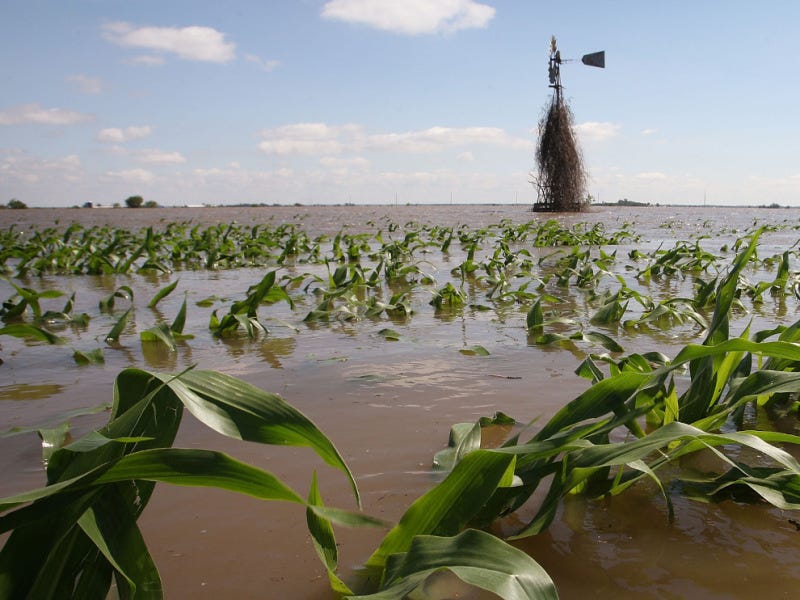
There was a time when climate change sat at the edge of corporate strategy—filed under sustainability, discussed in reports, rarely shaping operational decisions.
That time has passed.
For global beverage leaders like Diageo and Heineken, climate risk is now immediate, measurable, and deeply operational. Rising temperatures, erratic rainfall, and extreme weather are no longer abstract concerns; they are actively reshaping crop yields, water availability, and logistics networks.
The result is a profound shift: procurement—once focused on cost efficiency—has become a frontline function in securing long-term resilience.
The Triple Threat Facing the Drinks Industry
The pressures are converging from multiple directions at once.
- Agricultural volatility – declining yields of barley, hops, and maize
- Water scarcity – a critical risk for production continuity
- Regulatory escalation – tightening carbon and environmental frameworks
Together, they form what industry leaders increasingly recognise as a structural challenge to business continuity itself.
In this environment, resilience is no longer a defensive strategy. It is a prerequisite for growth.
Securing Supply at the Source: Regenerative Agriculture
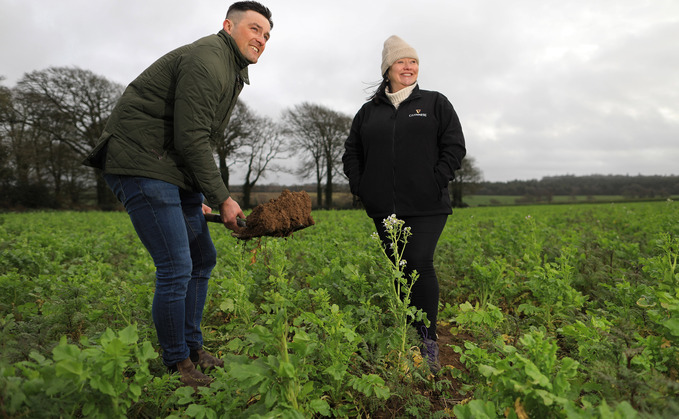
The first line of defence lies not in factories, but in fields.
Both companies are investing heavily in regenerative agriculture, recognising that the stability of their supply chains begins with the health of the ecosystems they depend on.
For Diageo, this is formalised through its “Spirit of Progress” strategy—anchored in a “grain to glass” philosophy that integrates sustainability across the entire value chain.
A standout initiative includes a multi-million-pound investment in Scottish peatland restoration, targeting thousands of hectares. Beyond carbon capture, peatlands play a critical role in water regulation—directly supporting whisky production.
Meanwhile, Heineken is embedding regenerative practices across its global sourcing network, working directly with farmers on soil health, fertiliser optimisation, and biodiversity.
The objective is not simply sustainability—it is supply security.
From Cost to Value: Procurement’s Strategic Evolution
What emerges most clearly is a redefinition of procurement itself.
Historically, procurement teams were measured on cost reduction. Today, they are being evaluated on their ability to manage long-term risk, ensure supply continuity, and drive environmental performance.
At Heineken, this shift is embedded in its “Brew a Better World 2030” strategy, where procurement decisions directly influence decarbonisation, supplier standards, and agricultural resilience.
This transition reflects a broader industry reality:
value is no longer defined by price alone—it is defined by stability, sustainability, and trust.
Digital Breweries: Technology as a Risk Shield
If regenerative agriculture protects the source, digital innovation protects the system.
Heineken has partnered with technology leaders to deploy digital twins—virtual replicas of breweries that simulate energy use and operational performance before changes are made in the real world.
The results are significant:
- Up to 15–20% energy savings per site
- Around 50% reduction in CO₂ emissions through optimisation
This is not incremental improvement. It is systemic redesign—using data to anticipate risk rather than react to it.
Water: The Most Critical Ingredient
Across both organisations, one theme stands out above all others: water.
It is the primary ingredient in beer and spirits, and increasingly, the most vulnerable.
As Diageo itself acknowledges, water risk is becoming central to long-term planning, influencing how facilities are built, where operations are located, and how communities are supported.
This has led to a dual approach:
- Efficiency improvements within operations
- External ecosystem restoration to protect water sources
In effect, water stewardship has moved from environmental concern to strategic necessity.
A New Operating Model for Global Manufacturing
What these strategies collectively reveal is a deeper transformation underway.
The global brewing and distilling industry is shifting toward a model defined by:
- Integrated sustainability across the value chain
- Procurement as a strategic, not transactional, function
- Technology-driven optimisation of complex systems
- Long-term resilience prioritised over short-term efficiency
This is not unique to beverages—but it is being accelerated by the sector’s direct dependence on natural resources.
From Sustainability to Survival
The most telling shift is philosophical.
Sustainability, once framed as responsibility, is now framed as survival.
For Diageo and Heineken, climate action is no longer about reputation or compliance. It is about securing the raw materials, energy systems, and ecosystems that make their products possible.
And in that sense, the industry is offering a broader lesson.
The companies that will lead the next decade will not be those that react to climate risk—but those that redesign their entire operating model around it.