



Scotland’s energy debate has entered a decisive new phase.
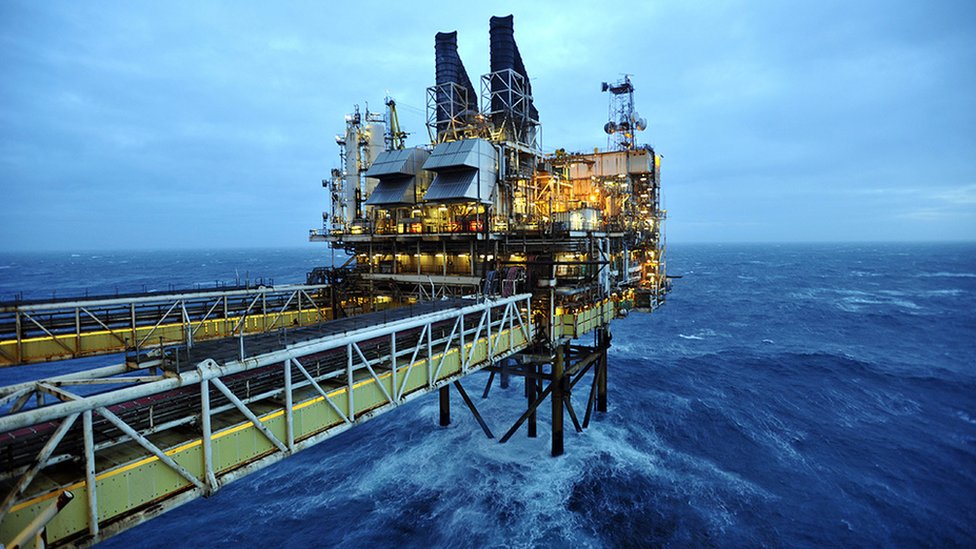
The Scottish National Party (SNP), long positioned as cautious—if not resistant—towards new oil and gas developments, has shifted its stance. It is now signalling support for two of the most controversial North Sea projects in recent years: the Rosebank oil field and the Jackdaw gas field.
The move is more than a policy adjustment. It reflects a recalibration of priorities at a moment when energy security, economic pressure, and climate commitments are colliding.
From Opposition to Conditional Support
At the centre of the shift is First Minister John Swinney, whose leadership has marked a departure from the SNP’s previous line under Nicola Sturgeon and Humza Yousaf.
Historically, the party opposed new fossil fuel developments on climate grounds. But that position has softened—driven in part by geopolitical instability and rising concerns over energy supply.
Recent statements suggest a more pragmatic framing:
support for domestic extraction, provided projects pass climate compatibility tests and align with a broader transition strategy.
This is not a wholesale embrace of fossil fuels. It is a recognition that the transition away from them is proving more complex—and slower—than previously assumed.
The Projects at the Heart of the Debate
The two fields in question are among the largest undeveloped resources in UK waters:
- Rosebank – a major oil field west of Shetland, with hundreds of millions of barrels estimated
- Jackdaw – a significant gas field east of Aberdeen, positioned as a near-term supply source
Both have already faced legal and regulatory challenges. A Scottish court previously ruled that approvals were unlawful because they failed to account for the emissions generated when the extracted fuels are ultimately burned.
As a result, the projects remain in a state of limbo—awaiting revised environmental assessments and fresh approvals.
Energy Security vs Climate Commitments
The SNP’s repositioning reflects a tension that extends far beyond Scotland.
On one side is the argument for energy security:
- Domestic production reduces reliance on imports
- Geopolitical instability has exposed vulnerabilities in global supply chains
- New fields could support jobs and regional economies
On the other is the climate imperative:
- New fossil fuel projects risk undermining net-zero targets
- Much of the extracted oil may be exported rather than used domestically
- Critics argue the impact on prices and supply security is limited
Recent analysis suggests that even optimistic projections show these fields would only marginally reduce UK dependence on imports—raising questions about their long-term strategic value.
The result is a debate that is no longer ideological, but structural:
how to balance immediate energy needs with long-term environmental obligations.
Timing: An Election, and a Narrative
The timing of the shift is not incidental.
Scotland is heading toward the 2026 Scottish Parliament election, and energy policy is emerging as a defining issue.
The SNP’s repositioning allows it to:
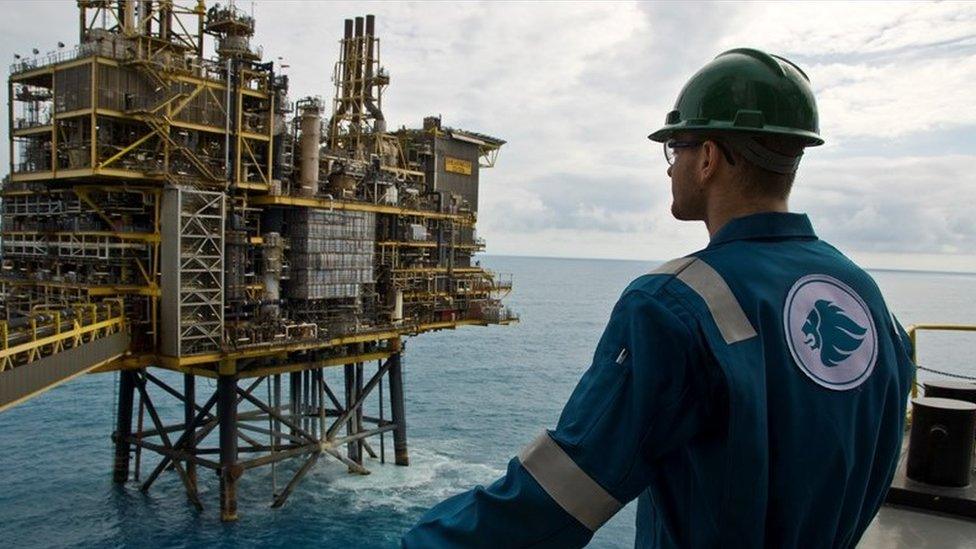
- Appeal to workers and industries tied to North Sea production
- Address voter concerns around energy costs and security
- Reframe itself as economically pragmatic, not ideologically rigid
But it also carries risk.
The move has already strained relationships with pro-climate allies, particularly the Scottish Greens, and opens the party to criticism from environmental groups who see the shift as a retreat from climate leadership.
A Broader Signal for the UK Energy Debate
This moment is not just about Scotland.
It reflects a wider recalibration happening across the UK and Europe:
- Governments are reconsidering domestic fossil fuel production
- Energy security has re-emerged as a political priority
- Net-zero pathways are being tested against real-world constraints
Even within the UK government, decisions on projects like Jackdaw are being weighed against both climate commitments and immediate supply concerns.
The SNP’s shift is therefore part of a larger pattern:
a transition that is proving neither linear nor straightforward.
Between Transition and Reality
What makes this moment significant is not simply the policy change, but what it reveals.
The energy transition is no longer a question of direction—there is broad agreement on the destination.
The uncertainty lies in the path.
For Scotland, that path now appears to include a more nuanced position:
- Supporting renewables and net-zero ambitions
- While acknowledging continued reliance on oil and gas in the near term
It is a balancing act—political, economic, and environmental.
And like many such moments, it offers no clean resolution.
Only trade-offs.