



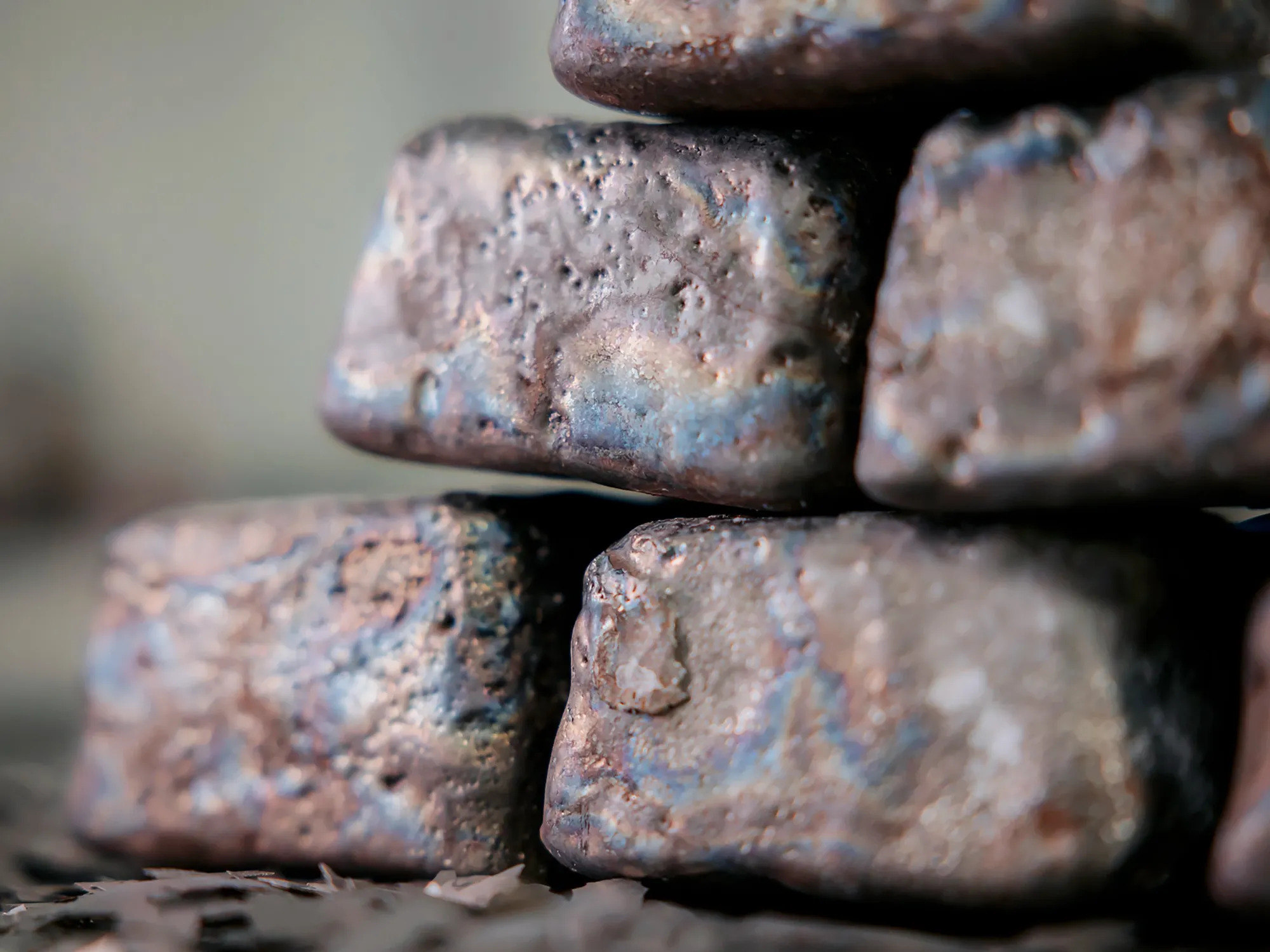
In the race to secure the materials underpinning the modern economy, rare earth elements have moved from industrial obscurity to geopolitical priority. These 17 minerals sit quietly inside everything from electric vehicles and wind turbines to fighter jets and smartphones. Without them, the energy transition stalls, defence systems weaken, and advanced manufacturing slows.
The United States, long dependent on overseas supply, is now making an aggressive—and notably risky—move to change that.
According to recent reporting, billions of dollars are being directed toward a new generation of domestic rare earth companies. The catch is that many of these players remain unproven at scale, with limited operational track records and technologies that have yet to be fully commercialised.
Breaking China’s Dominance
At the centre of this push is a single, uncomfortable reality: China controls the rare earth supply chain.
Not just mining, but more critically, processing and refining, where raw materials are converted into usable components. Even when rare earths are mined elsewhere, they are often sent to China for processing.
This dominance gives Beijing significant leverage over global supply, particularly in times of geopolitical tension.
For the U.S., the objective is clear: build a fully domestic supply chain, from extraction to refinement, reducing reliance on foreign processing capacity.
But achieving that goal is not straightforward.
The Problem with Rare Earths: It’s Not the Mining
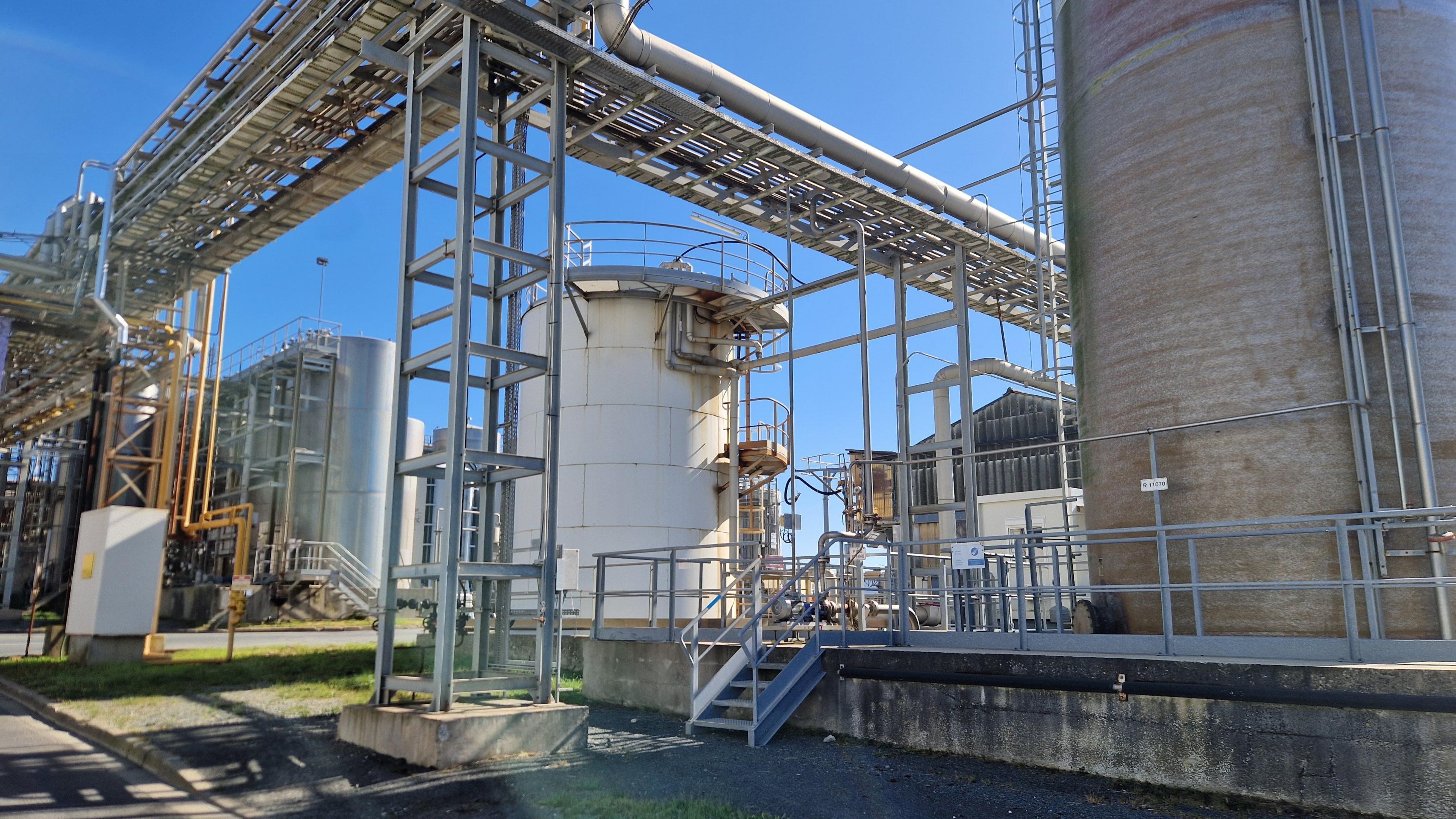
Rare earth elements are not especially rare in terms of geological presence. The difficulty lies in extracting and separating them economically.
Processing requires:
- Complex chemical separation techniques
- High capital investment
- Significant environmental management
- Deep technical expertise developed over decades
China has spent years building this capability. Replicating it quickly is, at best, ambitious.
Many of the companies now receiving U.S. backing are attempting to leapfrog traditional processes with new technologies. Some promise cleaner extraction methods. Others aim to simplify separation or reduce environmental impact.
Yet many remain at pilot or early commercial stages.
That is where the risk begins to concentrate.
Public Money, Private Risk
The scale of investment reflects urgency. Governments are not simply encouraging the sector—they are actively funding it.
Support mechanisms include:
- Federal grants and subsidies
- Defence-related funding programmes
- Strategic partnerships with private capital
The rationale is straightforward: waiting for market forces alone to solve the problem would take too long.
However, this approach effectively shifts part of the risk onto public balance sheets. If projects fail to scale, or technologies do not perform as expected, the financial and strategic costs could be significant.
At the same time, not investing carries its own risk—continued dependence on a concentrated and geopolitically sensitive supply chain.
A Supply Chain Still Missing Its Middle
One of the most striking challenges is that the U.S. is not starting from zero—but it is starting from an incomplete position.
Mining capacity exists or is developing. Demand is clearly established. But the processing “middle layer”—the most technically complex and capital-intensive part of the chain—remains underbuilt.
Without it, raw materials still need to be exported for refinement, undermining the very independence the strategy aims to achieve.
This is where many of the new entrants are focused. They are not just miners. They are attempting to become integrated players across the value chain.
It is also where execution risk is highest.
The Timeline Problem
Demand for rare earths is accelerating rapidly, driven by:
- Electric vehicle adoption
- Renewable energy infrastructure
- Defence modernisation
But supply chains take years—often decades—to build.
Even under optimistic scenarios, many of the newly funded projects will not reach full-scale production in the near term. This creates a timing mismatch, where demand growth outpaces domestic supply development.
In the interim, reliance on existing global suppliers, including China, remains unavoidable.
A Calculated Risk, Not a Blind One
It would be easy to frame this as reckless spending on uncertain ventures. That would miss the broader context.
The U.S. is not simply investing in companies. It is investing in capability.
The goal is not that every company succeeds. It is that enough succeed to establish a viable, competitive domestic ecosystem.
In that sense, the strategy resembles venture capital at a national level:
- High failure rates are expected
- Successes must compensate for losses
- Strategic value outweighs short-term returns
The Emerging Competitive Landscape
This push is also reshaping competition globally.
- Europe is accelerating its own critical minerals strategy
- Australia and Canada are positioning as alternative suppliers
- China continues to expand and defend its dominant position
The result is the early formation of a multi-polar rare earth supply chain, though one still heavily weighted toward China in the near term.
The Bigger Picture
Rare earths are not just another commodity. They are foundational to the technologies defining the next industrial era.
What is unfolding now is less about mining and more about control over future industries.
The U.S. decision to back unproven players reflects a recognition that waiting for certainty is no longer viable. In a market shaped by geopolitics, climate transition, and technological competition, hesitation carries its own cost.
A Necessary Uncertainty
There is no guarantee that these investments will deliver immediate success. Some projects will fail. Some technologies will not scale. Some timelines will slip.
But the alternative—a continued reliance on a single dominant supplier—may be the greater risk.
This is the tension at the heart of the strategy: certainty versus sovereignty.
And for now, the U.S. appears willing to accept uncertainty in pursuit of control.