



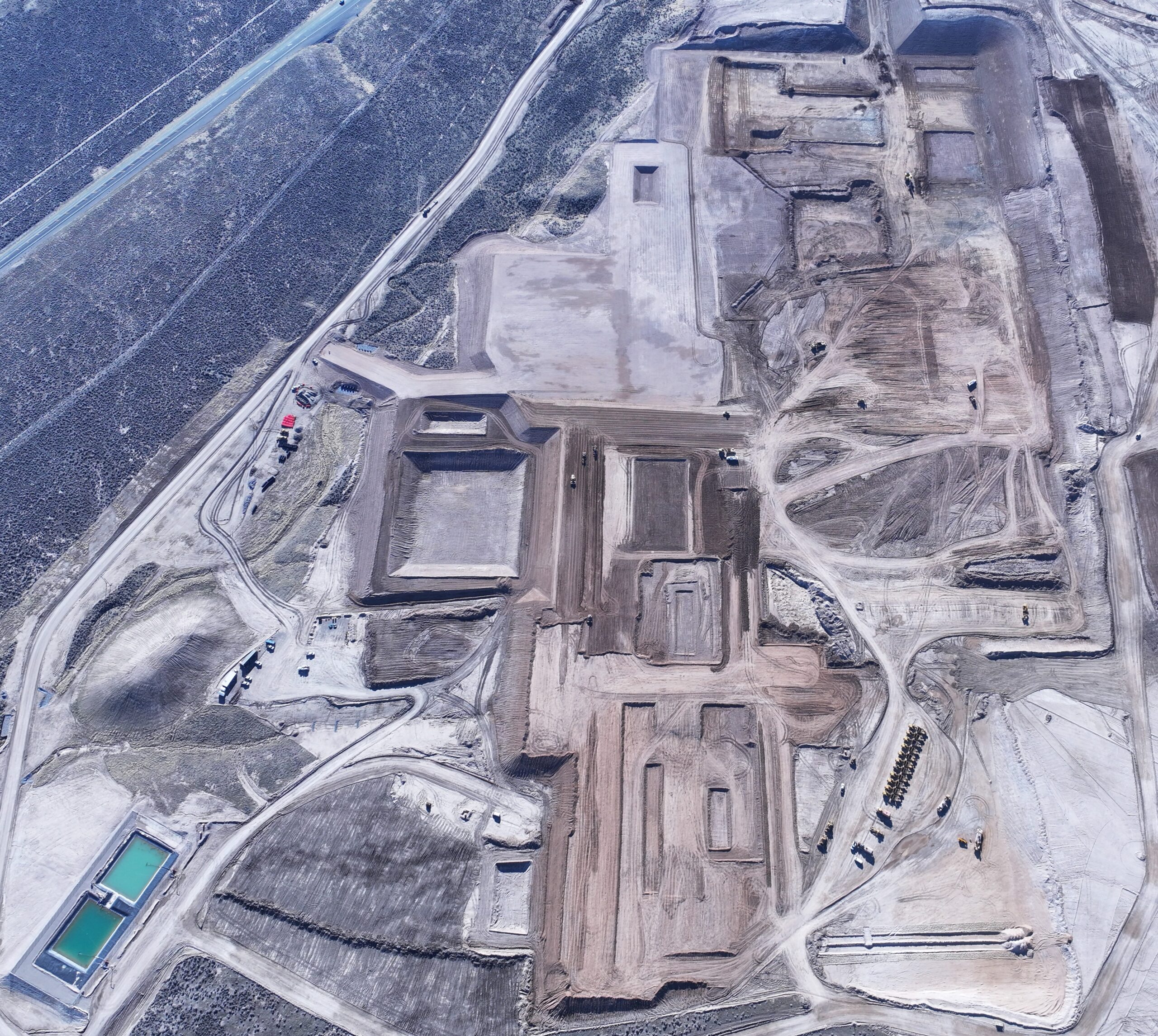
The mining sector is moving back into focus—and this time, it is being driven by something deeper than cyclical demand.
Critical metals are no longer just commodities. They are strategic assets, sitting at the centre of energy transition, digital infrastructure, and global supply chain security.
Against that backdrop, analysts at Interactive Investor have highlighted three mining companies positioned to benefit from this shift. The common thread is clear: exposure to the materials that will define the next decade of industrial growth.
Why Critical Metals Matter Now
From electric vehicles to AI infrastructure, demand for key materials such as lithium, copper, and rare earth elements is accelerating.
The challenge is supply.
Mining projects take years—often decades—to move from discovery to production. At the same time, geopolitical tensions and supply chain fragmentation are making access to these materials more complex. Industry experts point to a growing disconnect between supply and demand, driven by the rapid expansion of energy and technology systems.
This imbalance is creating a new investment narrative—one where scarcity, rather than surplus, underpins value.
Three Stocks, One Theme: Strategic Positioning

The companies identified by Interactive Investor vary in size, geography, and stage of development—but they share a common positioning.
They are targeting metals that are essential to electrification, renewable energy systems, and next-generation technologies.
In particular, attention is focused on:
- Lithium developers advancing large-scale European projects, seen as critical to battery supply chains
- Rare earth specialists working to establish lower-cost production outside China’s dominant ecosystem
- Copper explorers positioned to benefit from long-term demand tied to electrification and infrastructure
These are not traditional mining plays built purely on commodity cycles. They are tied to structural demand shifts.
And that distinction matters.
The Supply Chain Reality
Critical metals sit at the foundation of modern technology.
Rare earth elements, for example, are essential for everything from wind turbines to smartphones and fibre-optic systems, while lithium and copper underpin battery storage and electrification infrastructure.
Yet supply remains highly concentrated.
China continues to dominate large parts of the rare earth value chain, while new projects in Europe, Africa, and Australia face long lead times and regulatory complexity. This has elevated the importance of diversification and regional supply development.
For investors, this introduces a new dimension.
Mining is no longer just about geology. It is about geopolitics.
Risk and Reward in a Volatile Segment
It is important to recognise that many of these opportunities sit within the small-cap and AIM-listed space—areas known for volatility and higher risk profiles.
Exploration-stage companies, in particular, face challenges around funding, permitting, and execution.
However, that risk is paired with potential upside.
As demand for critical materials continues to rise, successful projects can move rapidly from speculative plays to strategic assets within global supply chains.
This dynamic is what is drawing renewed investor attention to the sector.
A Market Shaped by Structural Demand
What distinguishes the current cycle from previous mining booms is the nature of demand.
This is not driven solely by industrial growth or short-term pricing dynamics. It is underpinned by long-term structural trends:
- Electrification of transport
- Expansion of renewable energy
- Growth in AI and data infrastructure
- National strategies to secure resource independence
These forces are not cyclical. They are foundational.
The Bigger Picture
The spotlight on critical metals reflects a broader shift in how markets value resources.
Where once commodities were seen primarily through the lens of price cycles, they are now being evaluated in terms of strategic importance, supply security, and long-term relevance.
The three companies highlighted by Interactive Investor are part of that story—but the implications go further.
Because in today’s market, the most valuable assets are not just those that can be extracted.
They are those that cannot easily be replaced.