




Ghana’s mining sector is facing a moment of uncertainty as proposed reforms to its fiscal framework spark concern among industry leaders, who warn the changes could deter investment in one of the country’s most important economic pillars.
Mining — particularly gold — plays a central role in Ghana’s economy, supporting jobs, export revenues and foreign exchange earnings. However, industry representatives say the latest policy direction risks undermining the stability that large, long-term mining investments depend on.
What is changing?
At the heart of the debate are proposed reforms to Ghana’s mining tax and royalty regime. The government is considering ending long-standing stability agreements that have historically locked in tax and royalty terms for major mining projects over extended periods.
In their place, a sliding-scale royalty system is being proposed, under which royalty rates would increase as gold prices rise. While this approach is designed to allow the state to capture greater value during high-price cycles, mining companies argue it would significantly raise operating costs and introduce greater fiscal uncertainty.
Industry warning on investment risk

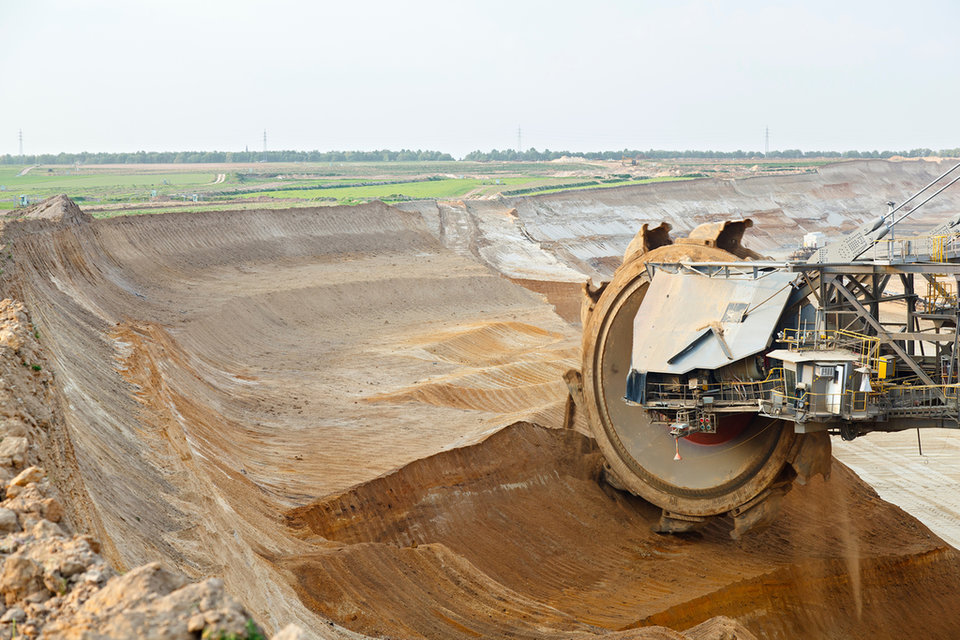
The Ghana Chamber of Mines, which represents major operators in the country, has cautioned that removing stability agreements could weaken Ghana’s competitiveness as a destination for mining capital.
Mining projects require large upfront investment and can take years — even decades — to generate returns. Industry leaders argue that without predictable fiscal terms, companies may delay or scale back expansions, or redirect capital to other jurisdictions offering more certainty.
They warn this could ultimately affect production levels, employment and future government revenues if investment slows.
Why stability agreements matter
For years, global mining groups such as Newmont, AngloGold Ashanti and Gold Fields have relied on stability agreements to plan and finance operations in Ghana.
These agreements are particularly important in mining because projects are capital-intensive and exposed to long-term risks, including commodity price cycles, geological uncertainty and regulatory change. Removing these protections increases policy risk, which can raise financing costs or make some projects uneconomic.
Government’s position
From the government’s perspective, the reforms are intended to ensure Ghana receives a fairer share of the value generated from its natural resources — especially during periods of elevated gold prices. Authorities argue that higher revenues are needed to support public services, infrastructure and economic development.
Officials have also indicated that tightening the fiscal regime could help improve transparency and oversight within the sector. The challenge, however, lies in balancing revenue generation with the need to maintain investor confidence.
Broader implications for Ghana’s mining sector
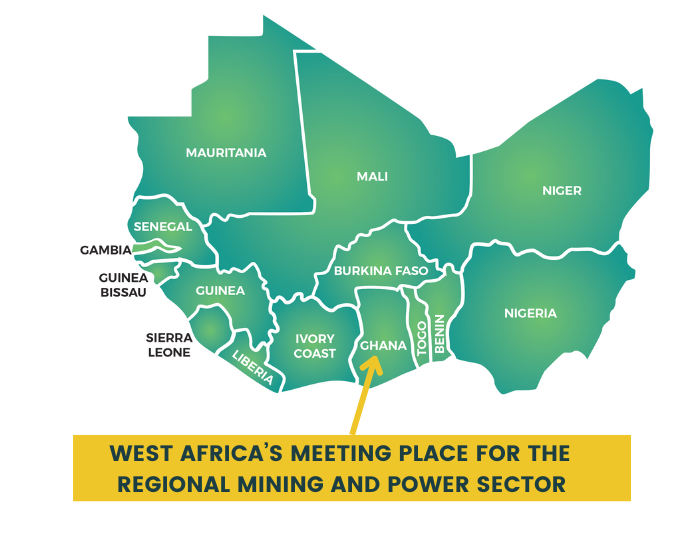
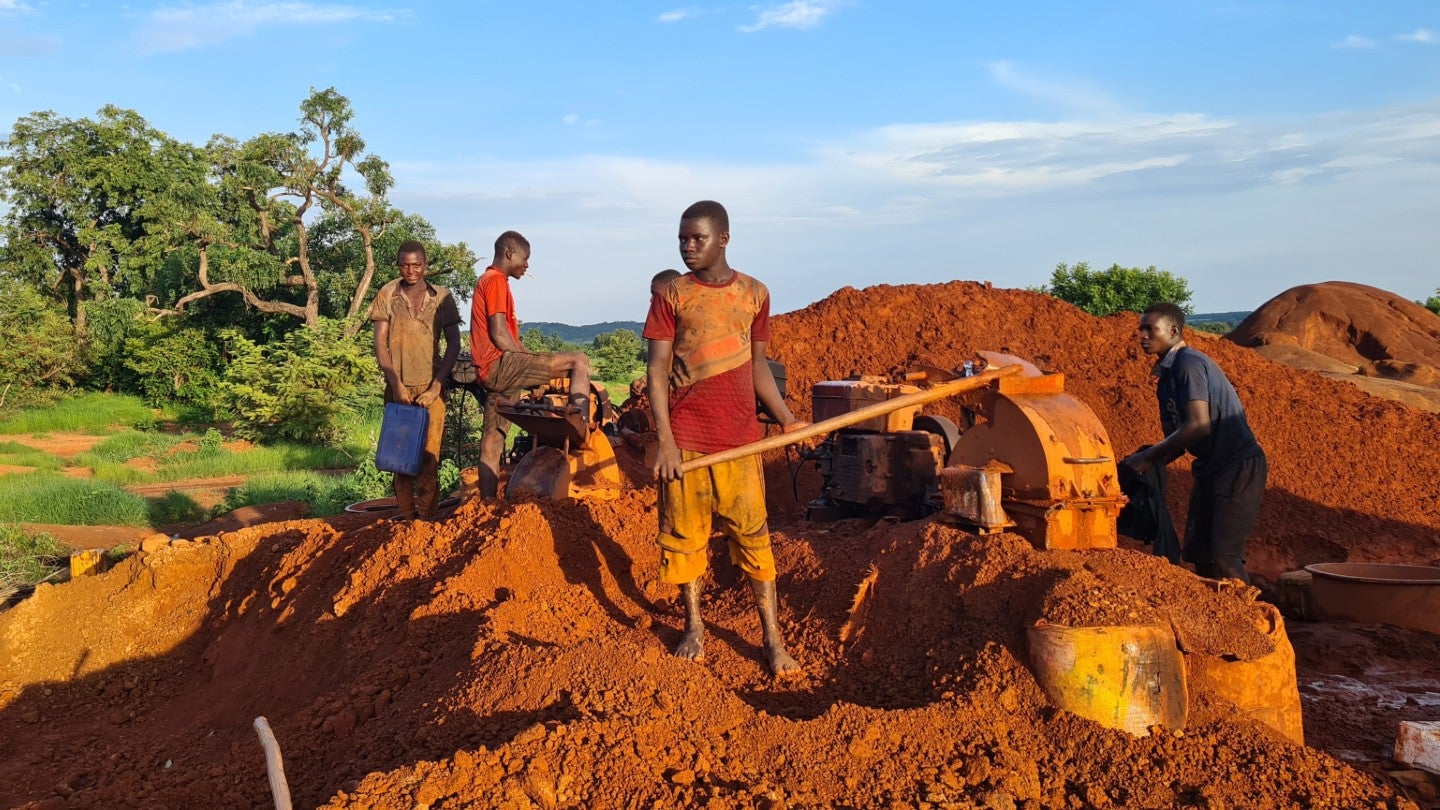

Ghana competes with other West African and global mining jurisdictions for capital. If investors perceive policy risk to be rising, some may look elsewhere — particularly at a time when global mining companies are becoming increasingly selective about where they deploy capital.
With gold prices remaining strong, the timing of the reforms adds another layer of complexity. Higher royalties triggered by higher prices could boost short-term state revenue, but industry groups argue the long-term impact on investment and production must be carefully weighed.
A delicate balancing act
As the proposed reforms move toward further legislative review, dialogue between government and industry will be critical. The outcome will shape not only Ghana’s mining investment climate, but also its reputation among international investors watching closely from outside the region.
The central question remains unresolved: how to secure greater national benefit from mineral resources without discouraging the long-term investment needed to sustain the sector.
For Ghana, getting that balance right could determine whether mining continues to drive growth — or becomes a missed opportunity in an increasingly competitive global landscape.