




The oil and gas sector is experiencing a dynamic period of change, with developments spanning Ecuador, New Zealand, and the Kurdistan region signalling both opportunity and controversy.
In Ecuador, Amazonian communities have mounted protests against the government’s $47-billion oil plan, citing environmental risks and threats to indigenous lands. The initiative, aimed at boosting oil production and government revenue, has sparked widespread concern among local populations who fear the long-term ecological consequences of expanded extraction in the Amazon rainforest. Community leaders have called for more inclusive consultations and stronger environmental safeguards, emphasising the need to balance economic development with the protection of biodiversity and indigenous rights.
Meanwhile, in the South Pacific, New Zealand has reopened its oil and gas licensing, inviting energy companies to explore and develop previously restricted areas. The move comes as the government seeks to balance energy security with environmental commitments, creating opportunities for domestic and international operators to invest in the country’s hydrocarbon resources. Analysts suggest that while the reopening could boost local energy production and employment, it may also provoke debate among environmental groups concerned about climate change and fossil fuel dependency.
In the Middle East, the Kurdistan region’s oil operators have struck a deal to resume exports, ending months of uncertainty that had disrupted regional supply chains. The agreement is expected to stabilize revenue flows and enhance cooperation between local authorities and international partners, underscoring the critical role of negotiation and strategic planning in volatile energy markets.
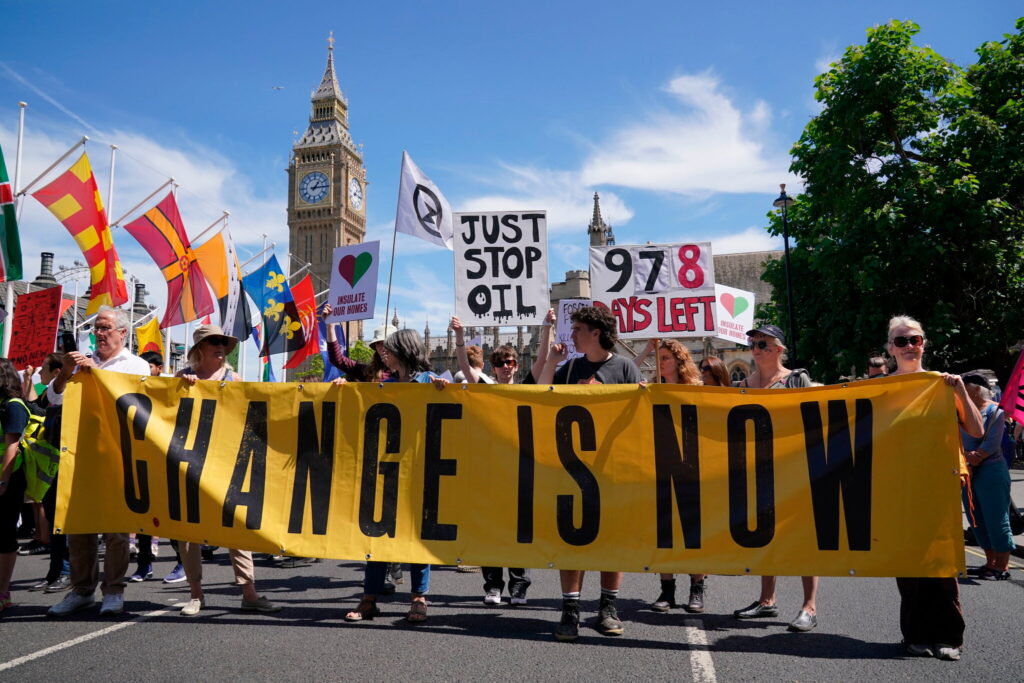
Together, these developments illustrate the complex landscape facing the global oil and gas industry: balancing economic growth, energy security, and environmental responsibility. Protests in Ecuador highlight the growing influence of community activism and the need for socially responsible practices, while New Zealand’s licensing reforms and Kurdistan’s export deal reflect the ongoing strategic maneuvers of energy-producing regions to maximize revenue and market stability.
Industry observers note that companies operating in these regions must navigate not only fluctuating commodity prices but also geopolitical pressures, environmental regulations, and social expectations. The contrasting situations in Ecuador, New Zealand, and Kurdistan demonstrate the diversity of challenges and opportunities facing oil and gas operators worldwide.
As global energy demand continues to evolve, these stories serve as a reminder that the sector is increasingly shaped by a combination of local activism, government policy, and international market forces, all of which will play a decisive role in shaping the future of oil and gas production.