




After two difficult years marked by rising costs, weak demand and delayed projects, the European construction sector is expected to return to growth in 2026, signalling a cautious but meaningful recovery across much of the region.
Following a contraction in 2024 and largely flat performance in 2025, improving confidence, stabilising economic conditions and sustained public investment are beginning to lift activity levels. While the rebound is expected to be modest rather than dramatic, it marks an important turning point for an industry that has been under sustained pressure.
What is driving the recovery?
Several factors are contributing to the improved outlook for 2026:
Rising confidence across the sector
Contractor and developer sentiment has been steadily improving, supported by clearer economic signals and a sense that the worst of the downturn has passed. This renewed confidence is encouraging companies to restart projects that were previously paused.
Early signs of housing recovery
Residential construction, which suffered heavily from high interest rates and affordability challenges, is showing early signs of stabilisation. In several markets, building permits and planning activity are beginning to rise, suggesting developers are positioning for renewed demand.
Continued infrastructure investment
Public spending remains a crucial stabilising force. Investment in transport, energy networks, digital infrastructure and climate-related upgrades continues to underpin activity, offsetting weakness in some private building segments.
Uneven growth across Europe


4
The recovery is not expected to be uniform across Europe. National conditions, policy frameworks and funding availability will play a major role in shaping outcomes.
- Germany is forecast to return to growth after a prolonged housing slowdown, supported by infrastructure programmes and gradual recovery in residential development.
- Spain is also showing stronger momentum, with improving demand and renewed investment activity.
- France and the Netherlands are expected to see more restrained growth, as high costs, planning bottlenecks and financing constraints continue to limit acceleration.
These variations highlight how local policy and market dynamics remain critical in determining construction performance.
Which segments are leading the rebound?
The recovery is being driven primarily by infrastructure and renovation, rather than large-scale new commercial development.
- Infrastructure and civil engineering remain the most resilient segments, benefiting from long-term public investment and energy transition priorities.
- Renovation and retrofit projects are gaining importance, particularly where energy efficiency and sustainability targets are driving demand.
- Commercial construction remains mixed, with office and retail projects still facing caution amid changing work patterns and financing challenges.
Residential construction is expected to improve gradually rather than surge, with affordability and borrowing costs continuing to shape demand.
Challenges remain despite improved outlook
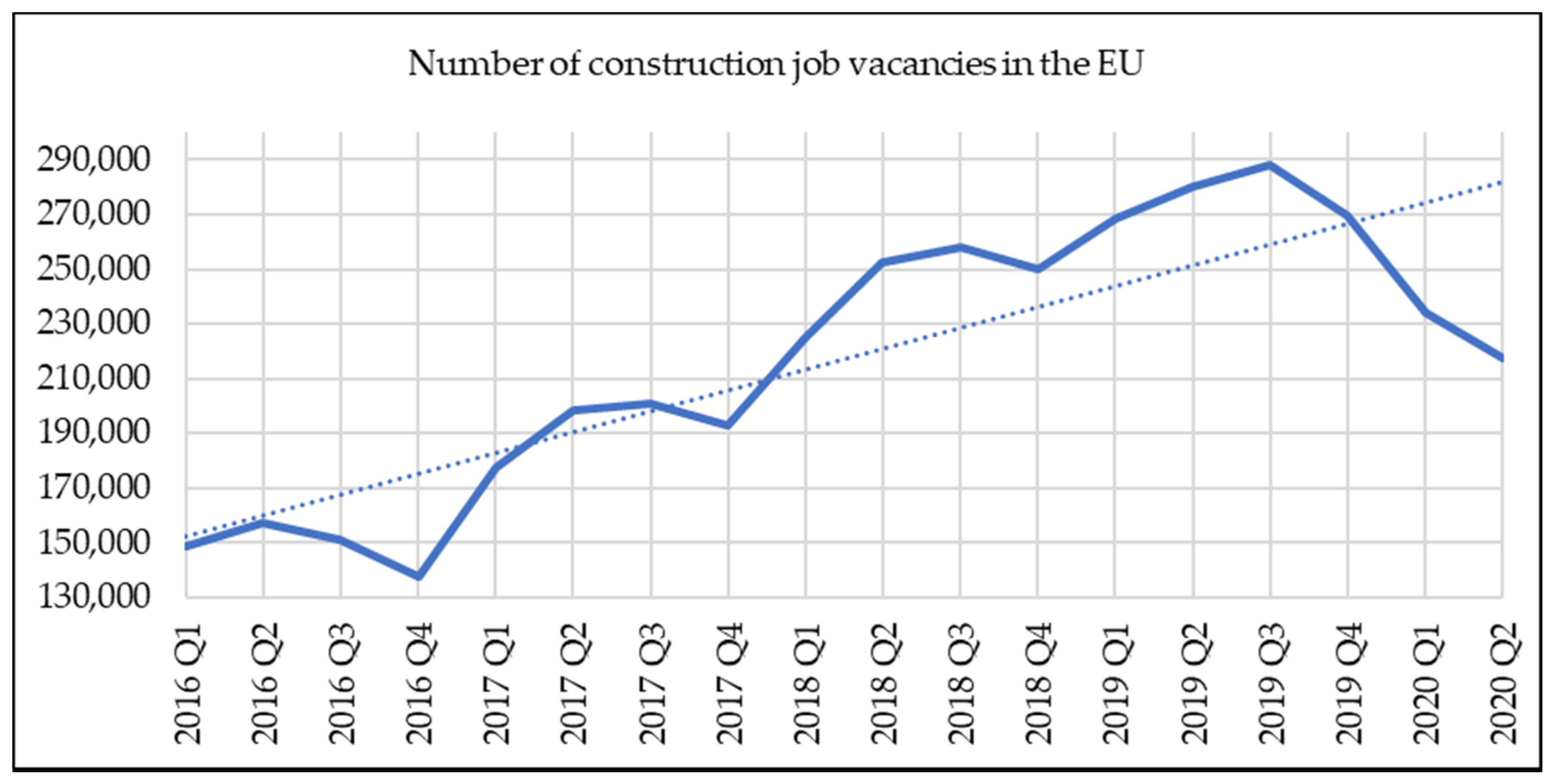


While momentum is returning, the sector still faces structural headwinds. High construction costs, labour shortages and regulatory complexity continue to constrain growth in many markets. Access to finance remains a key issue, particularly for smaller developers and residential projects.
Managing these challenges will be critical to sustaining the recovery beyond 2026 and ensuring that early signs of growth translate into long-term stability.
A cautious but meaningful turning point
The outlook for 2026 suggests that Europe’s construction sector is moving past its weakest phase. Growth is expected to be measured rather than rapid, but improving confidence, steady public investment and renewed planning activity point to a sector regaining its footing.
For contractors, developers and investors, the year ahead is likely to be about selective opportunity rather than broad-based expansion — with infrastructure, renovation and well-positioned residential markets offering the strongest prospects.
If momentum can be maintained and key constraints addressed, 2026 could mark the foundation for a more durable recovery across Europe’s construction landscape.