




The UK has announced a £43 million investment in green aviation, marking a significant step in the push to decarbonise flight while supporting economic growth and high-skilled jobs across the aerospace sector.
The funding will support a new wave of research and development projects focused on cleaner aircraft technology, sustainable aviation fuels and next-generation propulsion systems, reinforcing the UK’s ambition to lead in low-carbon aviation innovation.
Driving the next era of flight
Aviation remains one of the most challenging sectors to decarbonise, but it is also one of the most innovation-driven. This latest funding package is designed to accelerate progress where it matters most — bridging the gap between early-stage research and real-world deployment.
Projects backed by the funding are expected to explore areas such as:
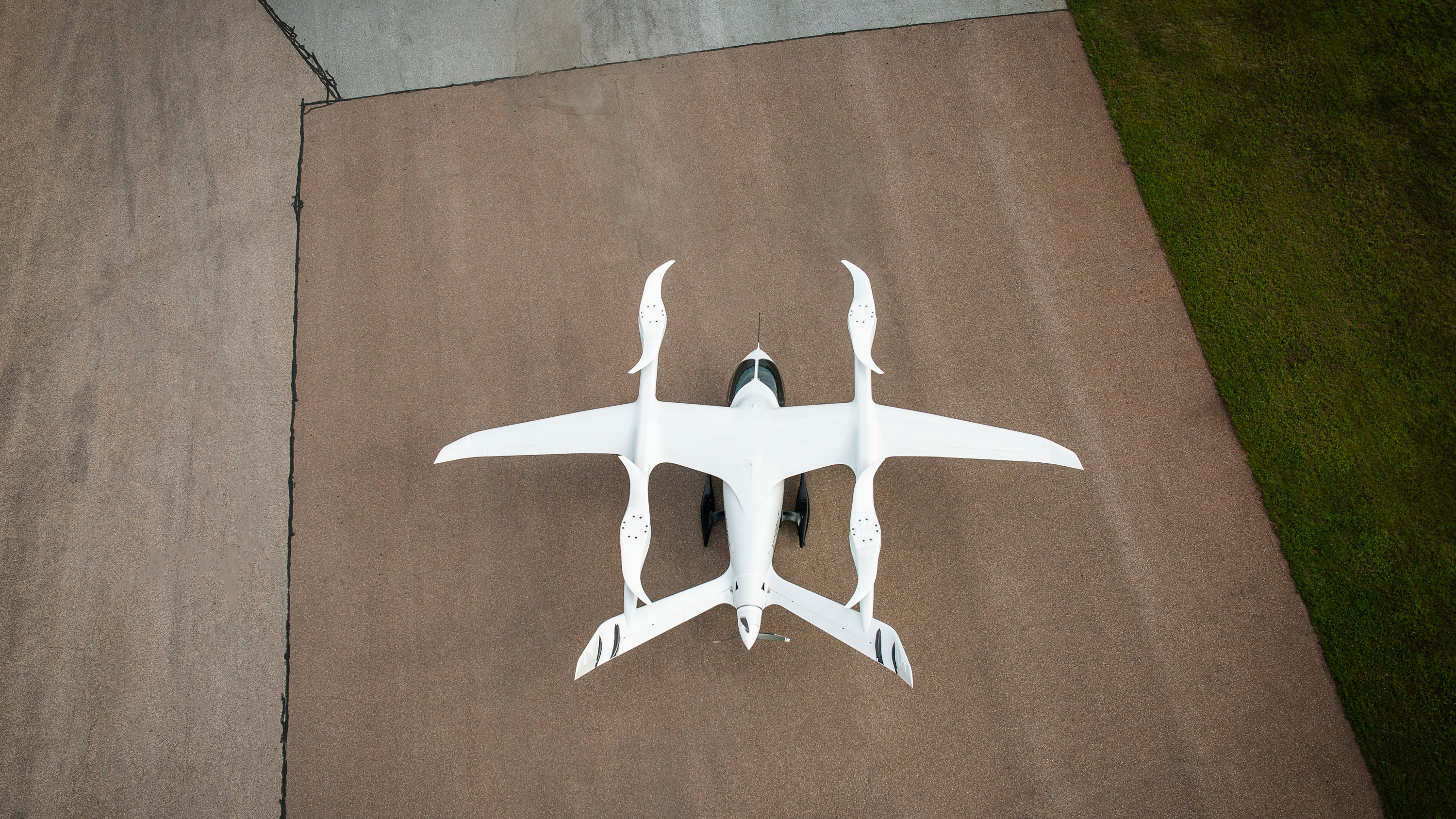
- Zero-emission and hybrid aircraft technologies
- Hydrogen and electric propulsion systems
- Sustainable aviation fuel production and scale-up
- Advanced materials and more efficient aircraft design
By focusing on these areas, the UK aims to reduce emissions from flying while maintaining connectivity and competitiveness in global aviation.
Jobs, skills and economic growth

Beyond environmental impact, the investment is also about economic opportunity. Green aviation is seen as a growth sector capable of supporting thousands of skilled roles in engineering, manufacturing, research and fuel production.
As cleaner technologies move closer to commercial use, the UK is positioning itself to attract private investment, build domestic supply chains and develop exportable expertise. Sustainable aviation fuel production alone is expected to become a major industrial opportunity over the coming decades.
Balancing growth with climate commitments
The funding arrives at a time when the UK aviation sector is navigating the dual challenge of rising demand and tightening climate targets. Airport expansion and increased air travel must now be matched by credible pathways to lower emissions.
By investing early in clean technologies, the government is signalling that future growth in aviation must be underpinned by innovation rather than offsetting alone. The aim is to ensure that cleaner aircraft and fuels are ready to scale as demand continues to grow.
Building on existing momentum
This £43 million commitment builds on a broader programme of support for clean aviation and sustainable fuels. In recent years, investment has helped establish research clusters, test new fuel pathways and strengthen collaboration between industry, universities and government.
Together, these initiatives are creating an ecosystem where ideas can move faster from laboratory to runway.
A long-term vision for net-zero aviation

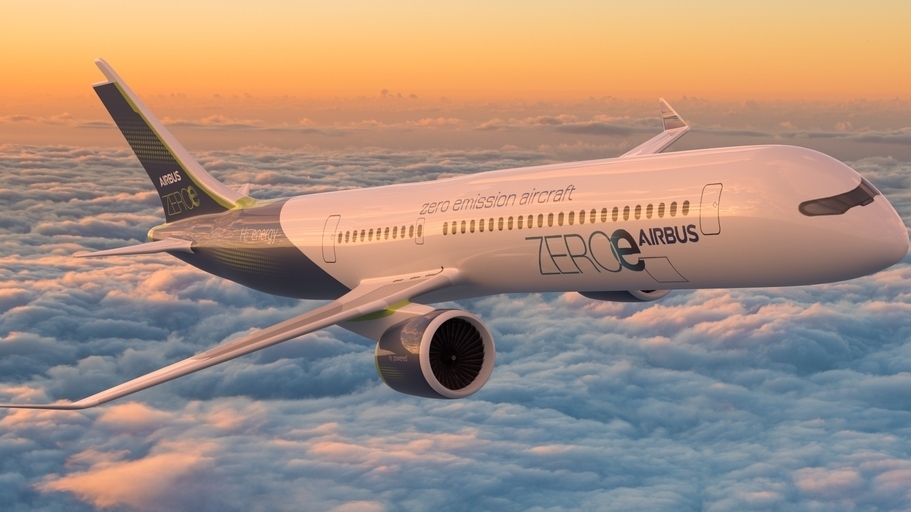
The ultimate goal remains clear: net-zero aviation by 2050. While no single technology will deliver that outcome alone, targeted funding like this plays a critical role in unlocking breakthroughs and de-risking innovation.
For aerospace companies, researchers and investors, the message is clear. Clean aviation is no longer a distant ambition — it is an active, funded priority at the heart of the UK’s industrial and climate strategy.