



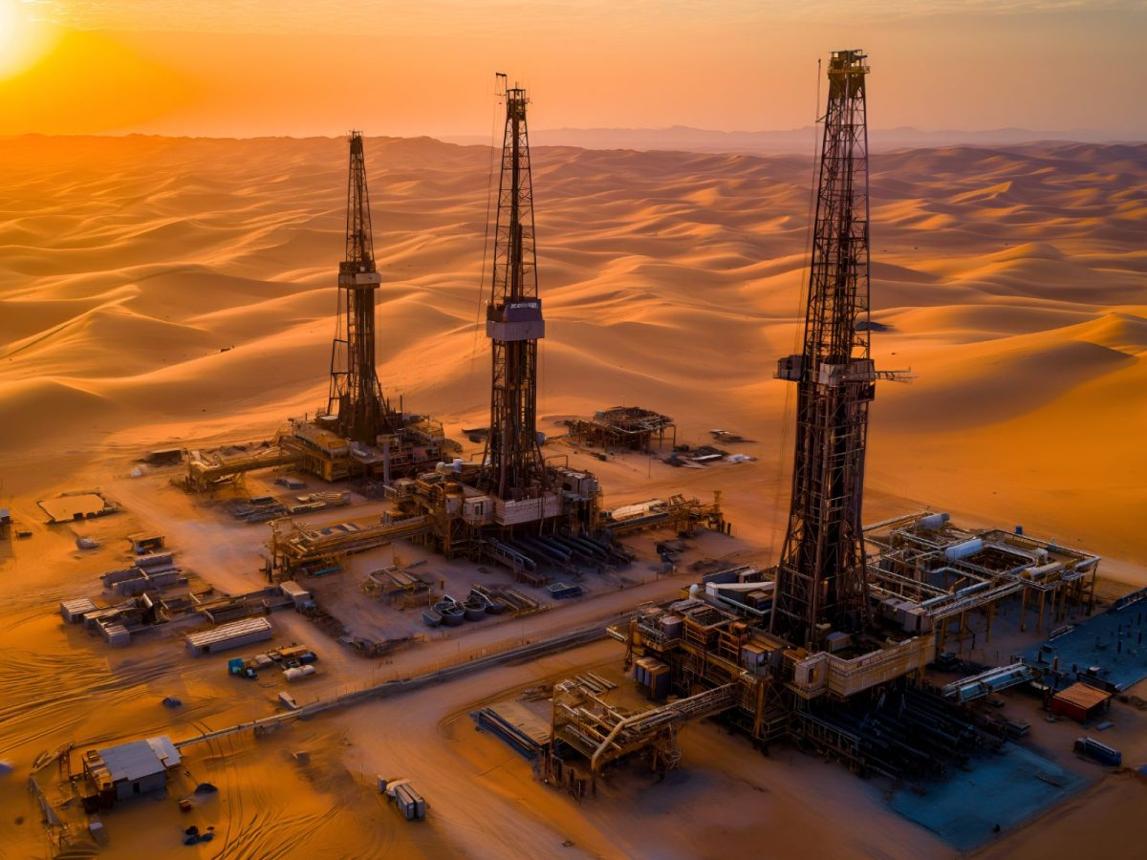
Positioning for the Next Energy Cycle
Oman is making a calculated move to reinforce its position in the global energy landscape, launching a new bidding round for five oil and gas concession blocks in a clear signal to international investors. The initiative, announced by the Ministry of Energy and Minerals, is designed to attract fresh capital, accelerate exploration activity, and unlock new hydrocarbon potential across the sultanate.
Registration for the bidding process is already open and will run through to September 30, 2026, with contracts expected to be awarded following a detailed technical and financial evaluation phase. This structured timeline reflects a deliberate and transparent approach, positioning Oman as a stable and attractive destination in a competitive global exploration market.
Five Blocks, One Strategic Objective
At the centre of the offering are five exploration blocks — 12, 16, 55, 42 and 45 — each presenting distinct geological opportunities across different regions of the country. These range from relatively low-risk areas with existing infrastructure to more complex basins requiring advanced exploration technologies, including deep reservoirs and tight gas formations.
This diversity is not incidental. It reflects a broader strategy to appeal to a wide spectrum of investors, from established majors seeking scale to more specialised players capable of navigating technically challenging environments. By offering varied risk profiles, Oman is effectively broadening its appeal while maximising the likelihood of successful development across multiple fronts.
Beyond geology, the blocks are positioned within a framework designed to accelerate development. Existing infrastructure in certain regions allows for faster time-to-production, while others offer longer-term exploration upside, creating a balanced portfolio of immediate and future value.
Investment, Technology, and Economic Strategy

This bidding round is not simply about resource extraction. It forms part of Oman’s wider economic strategy under Vision 2040, which aims to enhance efficiency, attract international expertise, and increase the long-term value generated by the energy sector.
Central to this approach is the emphasis on technology and innovation. Companies are expected not only to explore and produce, but to bring advanced capabilities, from seismic imaging to enhanced recovery techniques. Increasingly, proposals that incorporate carbon capture, utilisation and storage, or align with emerging hydrogen initiatives, are likely to carry additional weight in the evaluation process.
This signals a nuanced positioning. Oman is not stepping back from hydrocarbons, but is instead integrating them into a broader transition narrative, balancing traditional energy development with evolving sustainability expectations.
Competing in a Shifting Global Market
The timing of this move is significant. Global energy markets remain volatile, shaped by geopolitical tensions, shifting demand patterns, and the ongoing transition towards lower-carbon energy systems. Within this context, countries are increasingly competing not just on resources, but on investment conditions, regulatory clarity, and infrastructure readiness.
Oman’s offering is designed to stand out on precisely these factors. A stable political environment, established export infrastructure, and a transparent bidding framework collectively position the country as a lower-risk entry point into Middle Eastern exploration compared to more volatile regions.
At the same time, the pressure to sustain production levels remains real. With output stabilising at around 1.1 million barrels per day, the need to identify new reserves is essential to offset natural decline in mature fields and maintain long-term energy security.
A Calculated Expansion, Not a Gamble
What emerges is a strategy defined by balance rather than urgency. Oman is not aggressively chasing expansion at any cost, but carefully opening its energy sector to investment in a way that aligns with both economic and geopolitical realities.
The success of this bidding round will ultimately depend on the quality of investment it attracts, not just the quantity. Technology transfer, local value creation, and long-term partnerships will be as important as production volumes.
In that sense, this is not simply a licensing round. It is a statement of intent. Oman is positioning itself as a pragmatic energy player in a complex global landscape, one that understands the continued importance of hydrocarbons, while quietly preparing for a more diversified energy future.