




Australia’s flag carrier Qantas Group has announced its intention to divest its 33.32 per cent minority stake in Jetstar Japan, marking a strategic repositioning of its international business and a transition to a fully Japanese-led ownership structure for the low-cost carrier. The announcement follows a preliminary agreement with Japan Airlines (JAL) and outlines a phased transfer of ownership ahead of a full rebrand and operational evolution.
A New Era for Jetstar Japan
Jetstar Japan was established in 2011 as a joint venture between Qantas, Japan Airlines and Tokyo Century, with Qantas holding roughly one-third of the airline. Under the proposed agreement, Qantas will sell its shareholding to Japanese partners, enabling JAL and new investor Development Bank of Japan (DBJ) to take full control of the Narita-based low-cost airline.
The transition is set to be formalised through a non-binding Memorandum of Understanding, with a final agreement targeted for July 2026 and the ownership transfer and new brand launch expected by June 2027. Following the exit, Jetstar Japan will drop the “Jetstar” name as part of the rebranding process.
Strategic Rationale Behind the Exit
Qantas’s decision to divest comes amid wider strategic shifts within the airline group. In recent years, Qantas has signalled a renewed focus on strengthening its core domestic market and long-haul international services, particularly as it undertakes its largest-ever fleet renewal programme.
The airline has previously exited other regional ventures, including the closure of Jetstar Asia in Singapore in mid-2025 and the divestment of Jetstar Pacific in Vietnam in 2020, allowing it to concentrate resources on its principal Qantas and Jetstar Airways operations.
By refocusing investment on its primary networks, Qantas aims to enhance financial resilience and operational efficiency at a time when the broader aviation sector is navigating competitive pressures, rising costs and changing travel demand patterns.
What the Change Means for Jetstar Japan

Under the proposed ownership structure, Japan Airlines will retain its existing 50 per cent share, and finance company Tokyo Century will hold onto its 16.68 per cent stake, while DBJ will replace Qantas as a shareholder.
Jetstar Japan is expected to continue operations without disruption through the transition period. Current staff, flight schedules and codeshare arrangements, including those with Qantas and Jetstar Airways, are planned to remain in place until the deal’s completion and beyond.
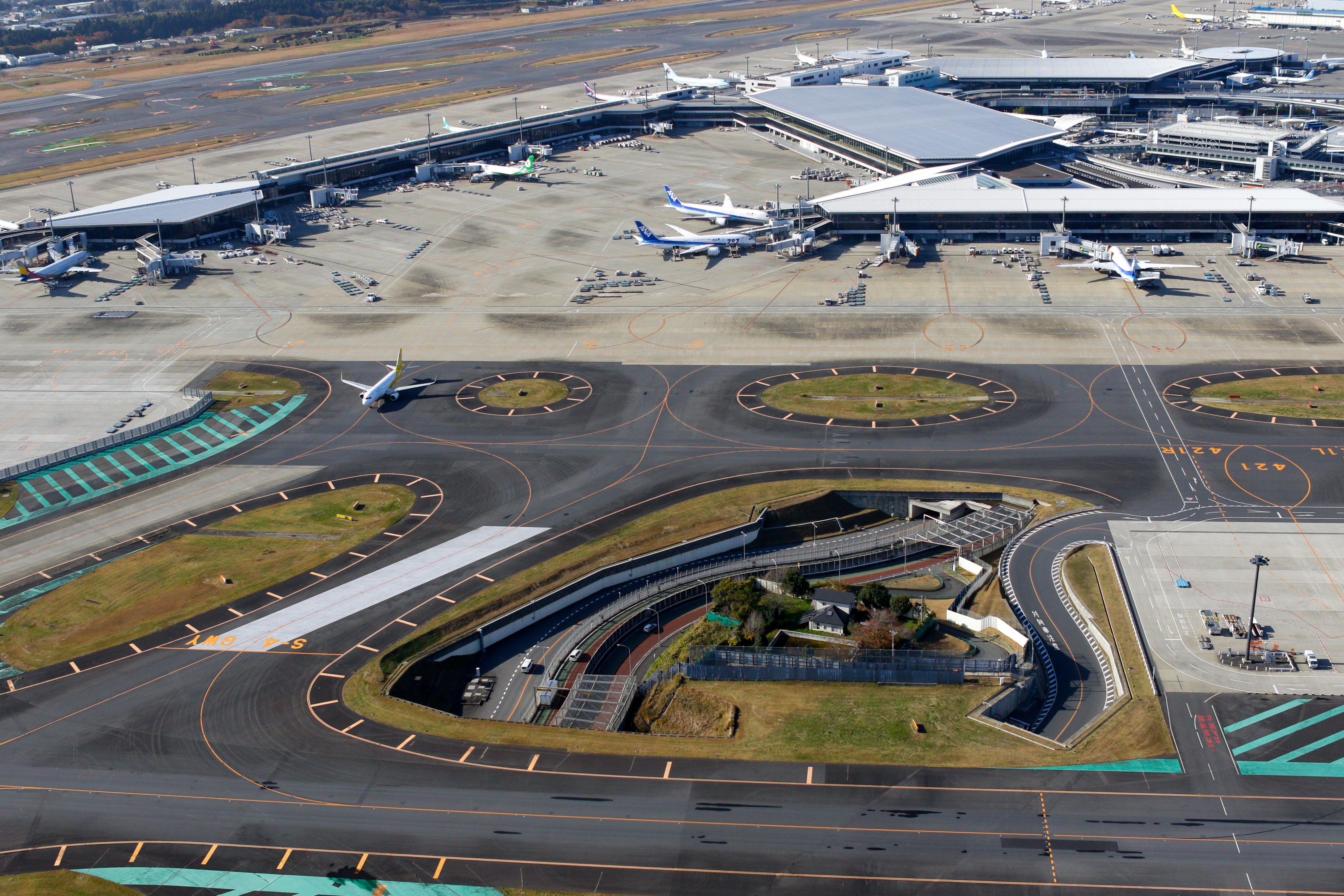
The carrier plans to leverage its strong position at Tokyo Narita Airport as a key hub for both domestic connectivity and international tourism, expanding its network in synergy with JAL’s broader strategic goals.
Broader Implications for Aviation Connectivity
The move reflects a broader trend in aviation where legacy carriers and major airline groups reassess minority stakes in regional and international affiliates to sharpen their competitive positioning. For Qantas, the Jetstar Japan exit allows capital and management bandwidth to be redirected toward fleet investment and core route development.
For Japan Airlines and its partners, full control over Jetstar Japan provides a platform to better align low-cost services with domestic and inbound tourism strategies, particularly in one of Asia’s most important travel markets.
The rebrand and operational evolution expected in late 2026 will be closely watched by investors and industry analysts, as they could set precedents for how airline alliances and joint ventures adapt in the post-pandemic network landscape.
Looking Ahead: Regional Growth and Rebalancing

As Qantas formally plans its disengagement from Jetstar Japan over the coming year, stakeholders across Asia-Pacific aviation will observe how the airline’s repositioning influences competition, partnership dynamics and market access. With regulatory approvals and commercial negotiations ongoing, the transaction’s completion by mid-2027 appears on track, setting a clear direction for Jetstar Japan’s future as a fully Japanese-led carrier.