



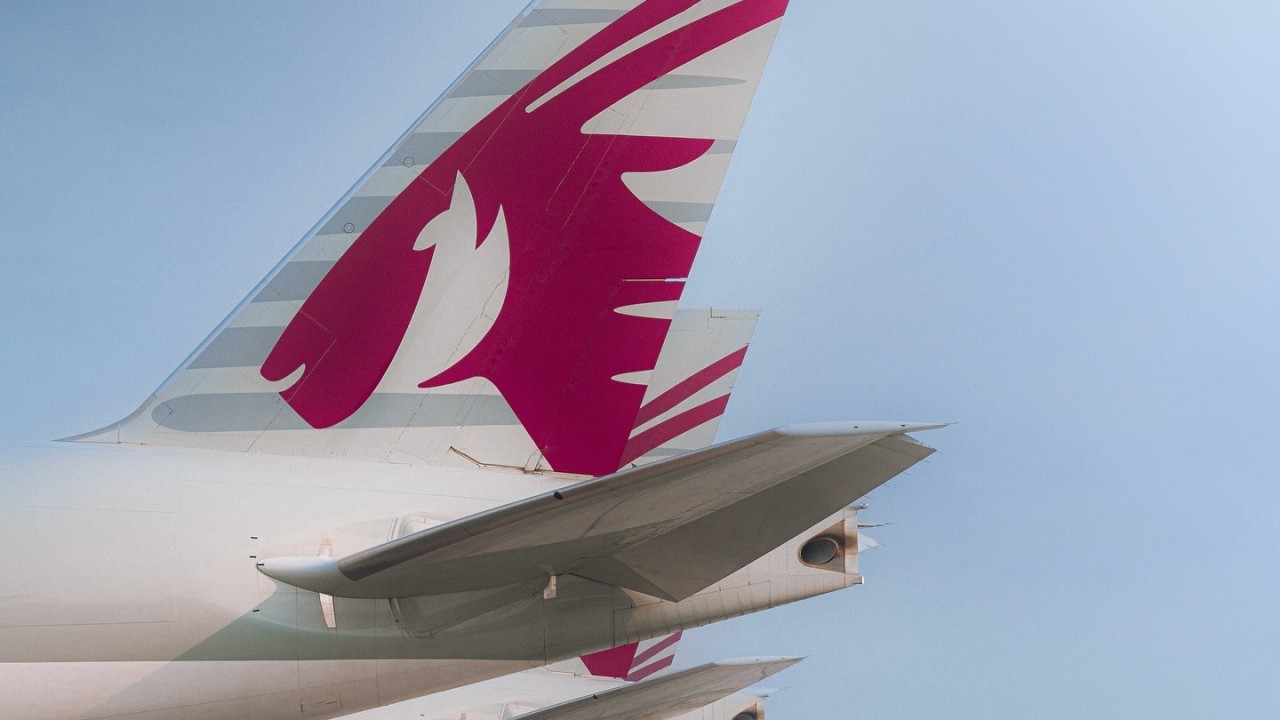
Air travel across the Middle East is slowly beginning to recover after widespread disruptions caused by regional conflict and airspace closures. In a sign of gradual stabilisation, Qatar Airways has restarted limited flight operations from its hub at Doha’s Hamad International Airport, while Jazeera Airways is launching special flights from Saudi Arabia to help stranded passengers return home.
The developments come after several days of severe aviation disruption across the Gulf region, when missile strikes and military activity forced the temporary closure of airspace and halted commercial flight schedules.
Qatar Airways Begins Limited Operations Again
Qatar Airways restarted restricted flight operations on 7 March after authorities partially reopened Qatari airspace. These initial flights are operating under tightly controlled conditions while aviation regulators continue monitoring security risks in the region.
The airline’s hub at Hamad International Airport in Doha had been largely shut to normal commercial traffic due to safety concerns linked to the regional conflict. With airspace gradually reopening, Qatar Airways has begun restoring select routes and operational corridors.
However, airlines remain cautious. Many carriers are still running limited schedules or emergency flights only, and passengers are being urged to travel only if they hold confirmed bookings because flight availability remains restricted.
Jazeera Airways Launches Flights From Saudi Arabia
While Qatar Airways restarts operations from Doha, Kuwait-based Jazeera Airways is taking a different approach to help travellers affected by the disruption.
The airline has begun organising repatriation charter flights from Qaisumah Airport in Saudi Arabia, located roughly a 2.5-hour drive from Kuwait.
These flights allow passengers who cannot depart from Kuwait due to airspace restrictions to travel overland to Saudi Arabia and continue their journey from there. The temporary arrangement highlights how airlines are adapting routes and operations to keep travellers moving despite regional airspace limitations.
Aviation Industry Facing a Regional Shock
The conflict has triggered one of the most significant aviation disruptions in the Middle East since the COVID-19 pandemic.
Airspace closures and security risks forced airlines across the region—including major Gulf carriers—to suspend or reroute flights. In some cases, aircraft were diverted mid-flight or escorted by military jets as authorities attempted to maintain safety.
Thousands of travellers were left stranded at airports throughout the region, prompting governments and airlines to organise evacuation and repatriation flights.
At the same time, the crisis has increased operational costs for airlines as routes are extended and jet-fuel prices rise amid broader energy market volatility.
A Gradual Return to Normal Operations
Despite the disruption, airlines are cautiously beginning to rebuild their schedules.
Limited relief flights have already been launched to major European destinations such as London, Paris, Madrid and Frankfurt, allowing stranded passengers to leave the region while normal operations remain suspended.
Authorities warn that the situation remains fluid and that airlines may need to adjust schedules at short notice depending on security developments and airspace restrictions.
For the global aviation sector, the crisis highlights how geopolitical tensions can rapidly affect airline networks, particularly in regions that function as major international travel hubs.