




Rolls-Royce — one of the world’s leading aircraft engine manufacturers — is accelerating efforts to reduce the environmental footprint of air travel. From advanced hybrid propulsion concepts to new combustion technologies and sustainable fuels, the company’s initiatives form part of a wider industry push toward lower carbon aviation and long-term decarbonisation goals.
A Hybrid Engine for Lower CO₂
One of the headline initiatives being developed by Rolls-Royce in partnership with Norway’s research organisation SINTEF is a hybrid aircraft engine, designed to cut CO₂ emissions by up to 30 % on short-haul and domestic flights. The concept blends traditional gas turbine architecture with electrically driven components to improve fuel efficiency and reduce environmental impact.
Although still in research stages, such hybrid technologies represent an important intermediate step toward fully electric or zero-emissions flight, especially on routes where battery-only propulsion is currently infeasible due to energy-density limitations.
Engine Innovation: UltraFan & Intelligent Systems
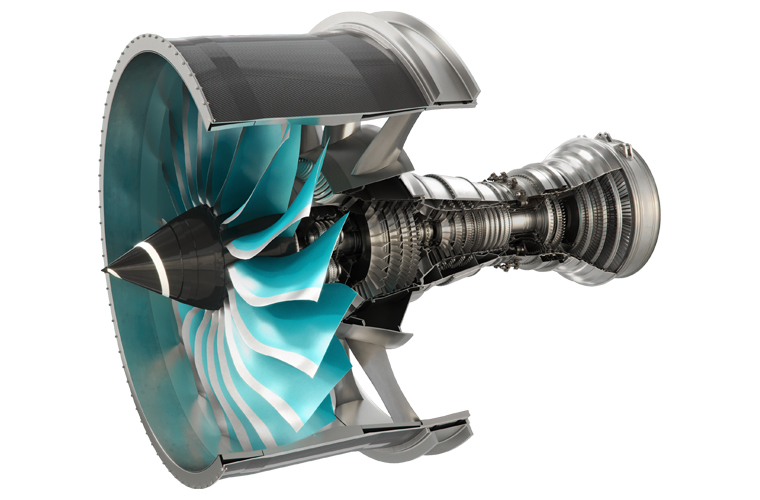
At the core of Rolls-Royce’s strategy to reduce emissions is next-generation engine design. The UltraFan demonstrator, featuring a geared fan system and advanced combustion technology, delivers improved thermal efficiency and reduced fuel burn — key levers for cutting CO₂ and NOx emissions compared with legacy engines.
Meanwhile, Rolls-Royce engineers are exploring adaptive engine control systems that behave like a “brain” for the propulsion system — adjusting in real time to flight conditions to minimise fuel consumption and emissions while extending engine life.
These innovations are aligned with wider industry goals — such as the ACARE Flightpath 2050 vision, which targets dramatic reductions in aviation emissions and noise by 2050 through new technologies and operational improvements.
Sustainable Aviation Fuel and Hydrogen Pathways
Reducing carbon emissions isn’t just about hardware; it’s also about what fuels the aircraft. Rolls-Royce has been accelerating testing and certification of engines running on Sustainable Aviation Fuels (SAFs). These fuels — produced from biomaterials or via power-to-liquid processes — can significantly lower lifecycle CO₂ emissions compared with conventional jet fuel.
Beyond SAF, Rolls-Royce is also exploring hydrogen propulsion pathways as part of a long-term strategy for near-zero flight emissions. Studies indicate that hydrogen, if handled safely and paired with appropriate infrastructure, could drastically cut aviation CO₂ when used in either combustion engines or fuel cells — especially on short- to medium-haul routes.
Broader Industry Context
Rolls-Royce isn’t working in isolation. The global aerospace sector is pushing toward emissions goals that would see sector CO₂ drop substantially over the next decades through a combination of:
- New propulsion architectures (hybrid, electric, hydrogen)
- Cleaner combustion systems and engine optimisation
- Greater SAF uptake
- Operational efficiencies and air traffic modernisation
Partnerships with research institutions and OEMs — such as universities and industry consortia — help accelerate these goals by advancing fundamental research on sustainable propulsion and flight systems.
What This Means for Airlines and Passengers
If successfully commercialised, Rolls-Royce’s emission-reducing technologies could:
- Lower fuel costs for airlines through improved efficiency
- Reduce aviation’s contribution to global warming
- Support regulator and policy goals for climate mitigation
- Encourage investment in SAF and hydrogen infrastructure
Such innovations are critical in an era where aviation sustainability is no longer optional but central to industry growth strategies.
Key Takeaways
- Rolls-Royce is working on hybrid engine technology that could cut flight CO₂ emissions by ~30 %, especially on shorter routes.
- Next-generation engines like UltraFan and intelligent control systems boost efficiency and cut emissions.
- Sustainable fuels and hydrogen propulsion are integral to long-term decarbonisation strategies.