



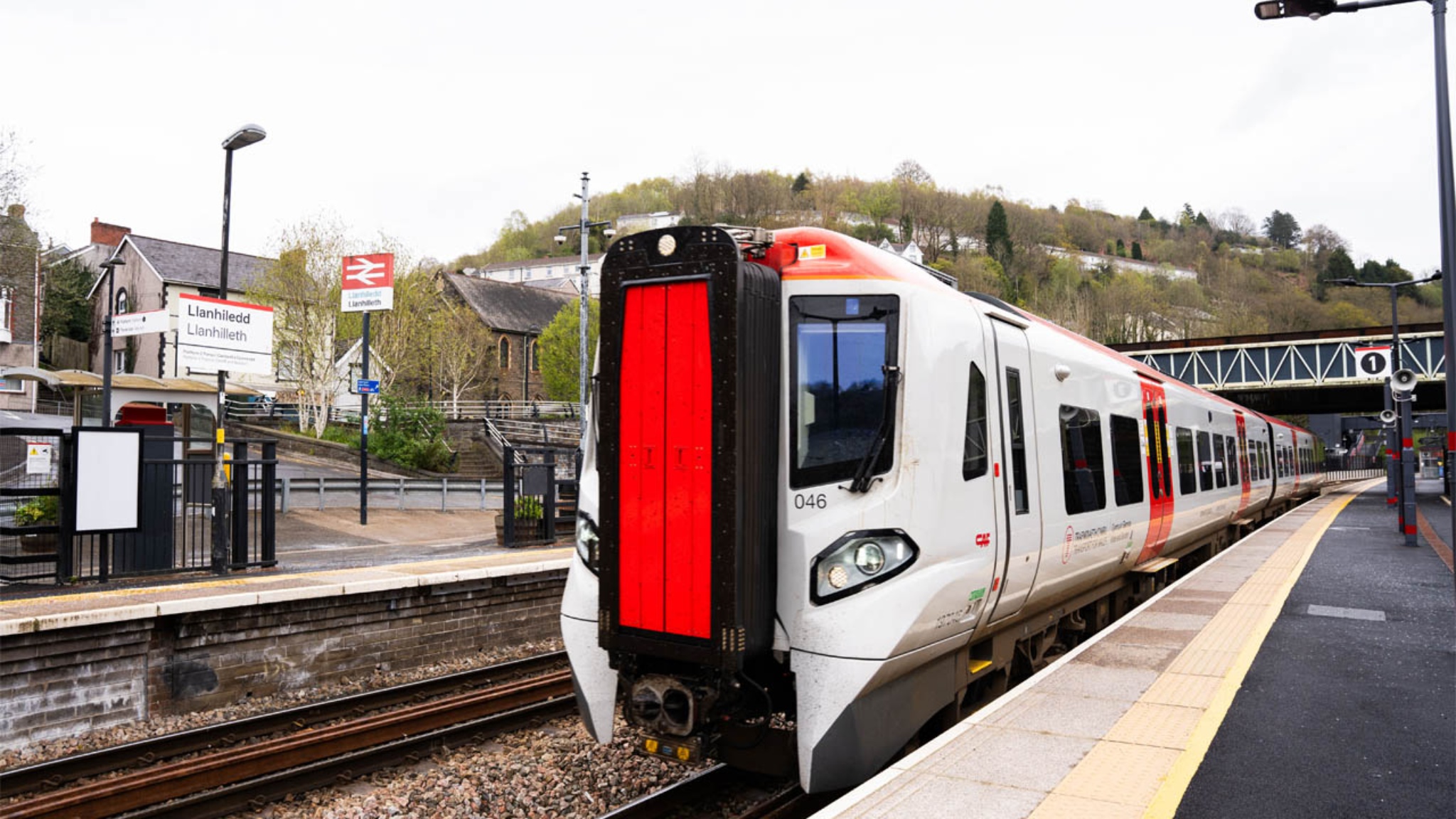
The UK Government has announced a generational investment of up to £14 billion to modernise and expand Wales’s rail network, marking a major strategic shift after years of underinvestment. The funding pledge, endorsed by Prime Minister Sir Keir Starmer and Welsh First Minister Eluned Morgan, aims to transform rail infrastructure, deliver new stations and boost employment across Wales.
What the Investment Includes
The major elements of this wide-ranging funding package include:
- Seven new train stations – across key locations such as Magor and Undy, Llanwern, Cardiff East, Newport West, Somerton, Cardiff Parkway and a station at Deeside Industrial Park.
- Upgrades across existing infrastructure – including relief line enhancements and capacity increases on key corridors.
- A transformative vision for Wales rail developed by Transport for Wales, backed collaboratively by UK and Welsh Governments.
- Support for around 12,000 jobs during construction and beyond.
The investment initiative builds on prior spending on Welsh rail, including £1.1 billion for upgrading the Core Valley Lines and £800 million on a new rail fleet, and now adds scale and ambition to future enhancements.
Why It Matters
The announcement represents a shift in long-term rail strategy for Wales:
- Economic growth and connectivity
Rail infrastructure is central to economic activity — improved services can boost employment, reduce travel times, and enhance connectivity between Welsh communities and employment hubs. - Complimenting devolution and regional planning
For decades, Welsh leaders have advocated for better rail funding and greater control over infrastructure. This commitment aligns with those calls while maintaining coordinated delivery through Transport for Wales. - Long-term social and environmental benefits
Beyond economic growth, new stations and upgraded services can reduce car travel, support greener commuting, and connect previously under-served communities.
Station-by-Station: What’s Planned
Transport for Wales has outlined the seven new stations that form the core of the investment plan:
- Magor and Undy – expected to be the first completed.
- Llanwern – supporting southeastern connectivity.
- Cardiff East – servicing growing residential areas.
- Newport West – expanding rail access in Newport.
- Somerton – filling gaps in local service distribution.
- Cardiff Parkway – a major new transport and business hub with estimated annual usage of around 800,000 passengers.
- Deeside Industrial Park – boosting economic connectivity in North Wales.
Construction on several of these stations is slated to begin as early as later in 2026, with timelines staggered through the decade.
Video: Rail Investment and Regional Growth
Here’s a concise video overview on why rail infrastructure investment matters — from economic opportunity to community connectivity:
This video highlights how major rail projects can spur regional growth and improve transport networks.
Politics and Public Response
The announcement has sparked both praise and debate:
- Supporters call the funding a “generational commitment” that addresses historic underinvestment and unlocks new economic potential.
- Critics argue that much of the funding is dependent on future spending reviews and some projects lack confirmed timelines or protected budgets, leaving questions about delivery certainty.
With Senedd elections approaching, the rail funding pledge has become a focal point in discussions about investment priorities, regional equality and long-term economic strategy.
Broader Context: Wales Rail Today
Transport in Wales has historically faced funding debates and fragmented investment, with passenger rail services nationalised under Transport for Wales following structural changes in recent years. The Wales & Borders franchise transition reflects broader reform in how rail services are delivered, but large-scale infrastructure spending has lagged expectations until now.
This new commitment seeks to align infrastructure spending with Wales’s strategic aims — strengthening connectivity, supporting jobs, and enhancing nationwide mobility.
What Happens Next
- Detailed project timelines and funding allocations will be refined through upcoming Spending Reviews.
- Construction phases for new stations and upgrades will roll out over coming years.
- Partnership structures between UK Government, Welsh Government and private investors will play a key role, especially for projects like Cardiff Parkway.
Key Takeaways
- The UK Government has pledged up to £14 billion for Welsh rail investment, aimed at transforming infrastructure and services.
- Seven new stations and major upgrades form the backbone of the initiative — expected to deliver transport, economic and social benefits.
- While politically significant and economically ambitious, funding delivery and timelines remain subject to future budget decisions, drawing both support and scrutiny.