




A newly brokered gold agreement between U.S. officials and Venezuela’s state mining company marks a notable shift in global commodity dynamics. The deal, involving the sale of semi-refined gold from Venezuela to U.S. markets, signals renewed economic cooperation between the two countries while raising broader questions about geopolitics, sanctions and the future of the South American nation’s resource sector.
At the centre of the agreement is Venezuela’s state-owned mining firm Minerven, which has signed a contract to supply between 650 and 1,000 kilograms of gold doré bars to commodities trading giant Trafigura. The gold will ultimately be refined in the United States under a separate arrangement coordinated with the U.S. government.
With gold prices hovering around $160,000 per kilogram, the contract is estimated to be worth well over $150 million, making it one of the most significant gold transactions linked to Venezuela in recent years.
A Strategic Resource Agreement
The agreement reportedly emerged following diplomatic engagement between Washington and Caracas, including negotiations facilitated by U.S. Interior Secretary Doug Burgum during a visit to Venezuela.
Under the deal:
- Venezuela’s Minerven will supply semi-refined gold doré bars, typically around 98% purity
- The gold will be purchased by global commodities trader Trafigura
- Trafigura will transport the metal to U.S. refineries for final processing
This structure allows the gold to move through internationally recognised refining channels, effectively redirecting Venezuelan gold exports away from informal markets and toward regulated supply chains.
For Venezuela, whose economy has been heavily constrained by sanctions and years of economic turmoil, the agreement could provide a much-needed injection of revenue and international investment.
Video Insight: The Global Gold Market
Gold continues to play a critical role in global financial markets, functioning as both a store of value and a strategic industrial metal used in electronics, finance and high-precision manufacturing.
The addition of Venezuelan supply into regulated international channels could therefore influence broader commodity flows and pricing dynamics.
Reviving Venezuela’s Mining Sector
4
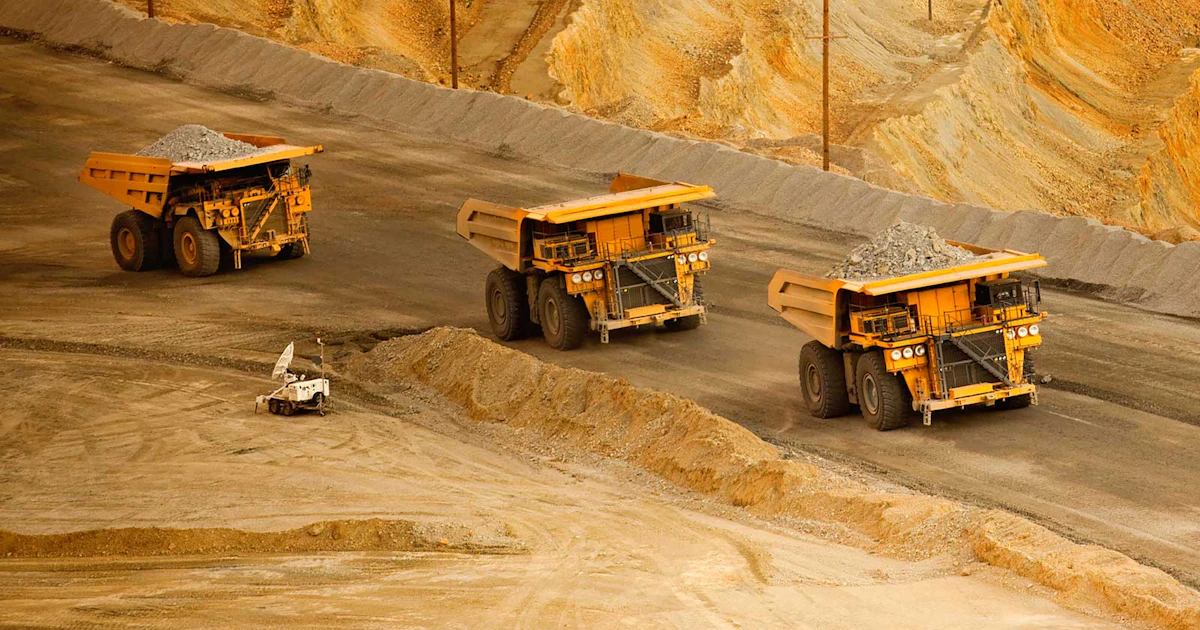
Venezuela possesses some of the largest untapped mineral resources in Latin America, including extensive deposits of gold, coltan, bauxite and rare earth elements. Yet despite this natural wealth, the country’s mining industry has struggled for years due to sanctions, underinvestment and widespread illegal extraction.
At its peak, Venezuela’s mining sector generated billions in exports. But political instability and deteriorating infrastructure severely reduced production levels.
In 2025, official figures suggested Venezuela produced roughly 9.5 tonnes of gold, far below the potential output estimated by analysts.
The new agreement is part of a broader effort to revive the sector through foreign investment and regulatory reform. Venezuelan authorities have already indicated plans to overhaul mining laws to encourage international companies to participate in exploration and development projects.
The Geopolitical Context
The gold deal cannot be viewed in isolation. It forms part of a larger geopolitical strategy involving Venezuela’s natural resources.
Washington has increasingly focused on redirecting Venezuela’s mineral exports toward Western markets while reducing reliance on informal or politically aligned trade networks. Historically, significant volumes of Venezuelan gold were believed to have been exported through unofficial channels or routed to countries such as Turkey and Iran.
By integrating Venezuela’s gold exports into formal international markets, policymakers hope to achieve several objectives:
- Reduce the role of illicit mining and smuggling networks
- Stabilise Venezuela’s struggling economy
- Secure access to strategic minerals for Western industries
The agreement also follows broader policy moves by the United States to permit limited transactions involving Venezuelan gold under specific licensing conditions.
Risks and Criticism
Despite its economic potential, the deal has generated controversy among political observers.
Critics argue that deeper U.S. involvement in Venezuela’s natural resource sector risks creating new geopolitical tensions. Some commentators have suggested the arrangement could allow Washington to exert significant influence over Venezuela’s mineral wealth and economic recovery.
Others question whether Venezuela’s mining regions, particularly in Bolívar state, can provide stable and secure operating conditions for international companies. These areas have long been associated with illegal mining operations and armed groups competing for control of mineral deposits.
Environmental concerns also remain significant, as large-scale gold mining can lead to deforestation, mercury contamination and ecosystem damage if not properly regulated.
A New Phase for Venezuela’s Resources
The gold agreement represents more than a simple commodity transaction. It reflects the complex intersection of geopolitics, resource economics and industrial strategy.
For Venezuela, the deal could serve as a stepping stone toward rebuilding a mining industry that has been largely dormant for years. For international commodity markets, it introduces a new potential supply stream into global gold flows.
Whether the agreement ultimately leads to broader mining investment will depend on several factors, including regulatory reforms, infrastructure upgrades and the stability of Venezuela’s political environment.
What is clear, however, is that Venezuela’s vast mineral reserves are once again attracting global attention. As international investors and governments watch closely, the country’s gold sector may soon re-emerge as a key player in the evolving landscape of global resource markets.