



For decades, Venezuela has been synonymous with oil. The country holds the largest proven oil reserves in the world, estimated at more than 300 billion barrels.
Yet beneath the headlines surrounding crude production lies another vast resource that could reshape the country’s energy future: natural gas.
Energy analysts increasingly believe that Venezuela’s untapped offshore gas reserves could deliver faster economic returns than oil, particularly as global demand shifts toward cleaner-burning fuels and liquefied natural gas (LNG).
As political and regulatory conditions evolve and sanctions ease in certain areas, international energy companies are once again examining Venezuela’s gas sector. What emerges is a picture of enormous potential—one that could transform the country’s role in global energy markets.
A Gas Giant Hidden Beneath the Sea
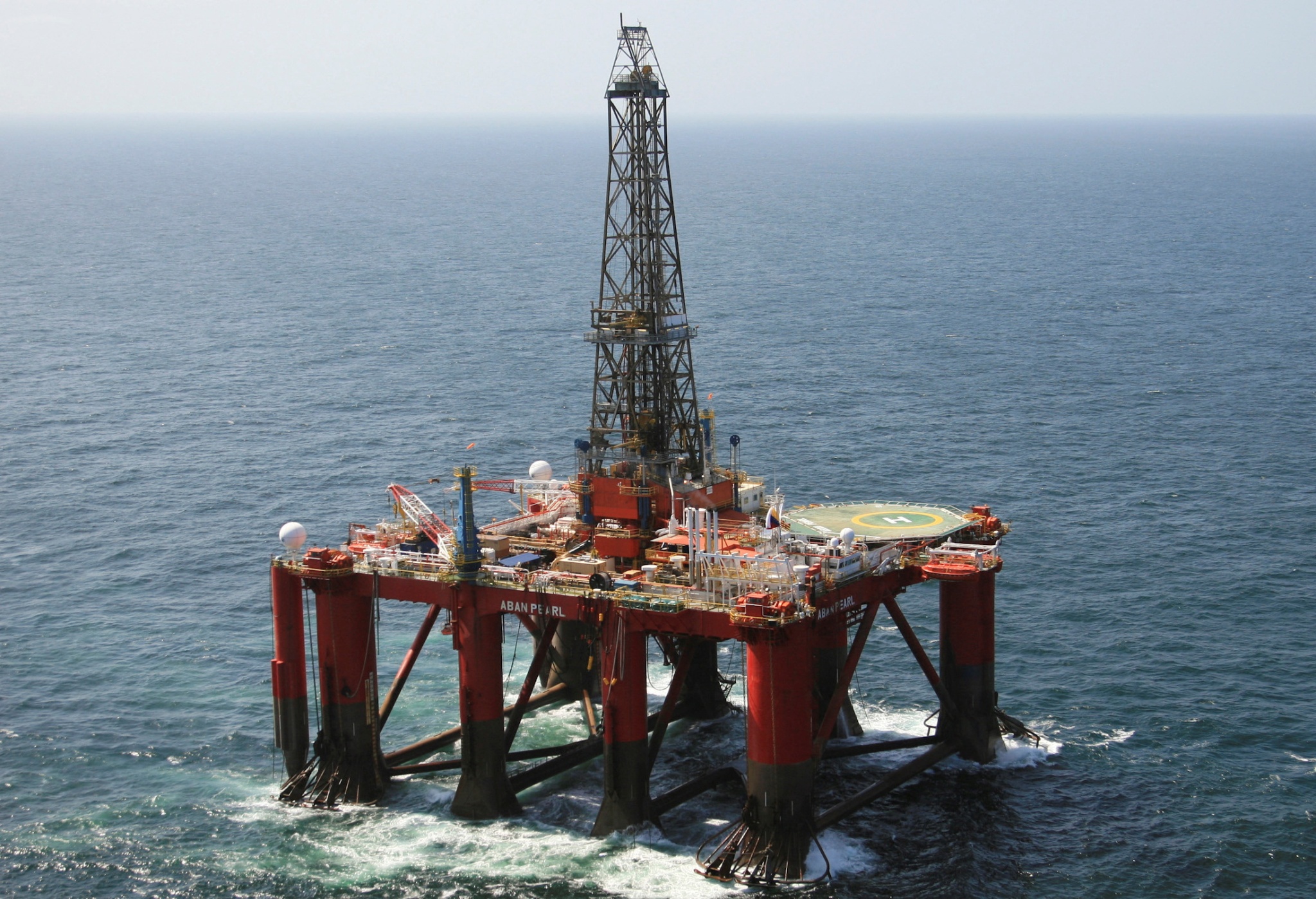
While Venezuela’s oil wealth has long dominated global attention, the country also holds one of the largest natural gas reserves in the Western Hemisphere.
Estimates suggest Venezuela possesses around 195 trillion cubic feet of natural gas, representing roughly 73% of South America’s gas reserves.
Most of these resources are located offshore along Venezuela’s eastern coastline, close to Trinidad and Tobago. These deposits were discovered decades ago but were largely neglected while the government prioritised oil development.
Unlike Venezuela’s oil, which is often extremely heavy and expensive to refine, natural gas extraction from these offshore fields could potentially be brought online more quickly and at lower cost.
This has led analysts to suggest that gas may offer the country a more immediate path to economic recovery.
Video Insight: The Rise of Global LNG
Natural gas has become an increasingly strategic commodity as countries transition away from coal and oil toward lower-carbon energy sources. Liquefied natural gas (LNG) allows gas to be transported across oceans, creating a truly global market.
For Venezuela, developing offshore gas fields could open new export routes while also supplying regional energy markets across the Caribbean and Latin America.
The Dragon Field and Regional Partnerships
4
One of the most promising projects is the Dragon gas field, located near the maritime border with Trinidad and Tobago.
The field contains an estimated 4–4.5 trillion cubic feet of natural gas, making it one of the most significant undeveloped reserves in the region.
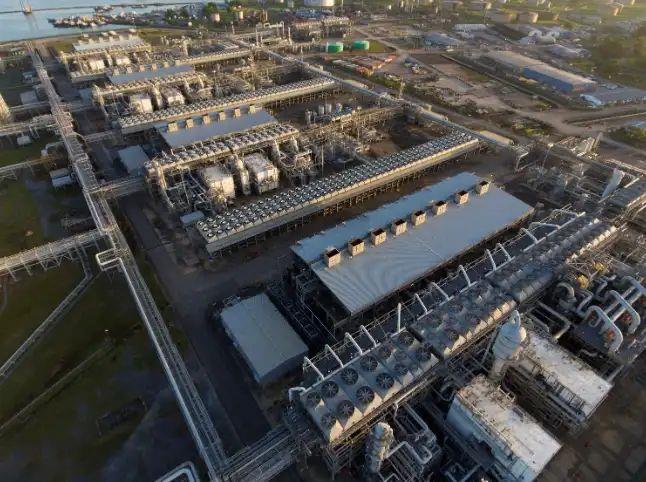
International energy companies including Shell and BP have expressed interest in the project, particularly because it could supply gas to the Atlantic LNG export facility in Trinidad, one of the Caribbean’s largest LNG processing plants.
This regional partnership is crucial. Venezuela currently lacks the infrastructure needed to liquefy and export large volumes of natural gas, meaning cooperation with neighbouring countries will likely play a central role in developing the sector.
If realised, such projects could help revive Trinidad’s LNG industry while simultaneously providing Venezuela with a new revenue stream.
Why Gas Could Outperform Oil
There are several reasons why Venezuela’s gas industry may develop faster than its oil sector.
1. Oil Extraction Is Technically Challenging
Much of Venezuela’s crude comes from the Orinoco Belt, where oil is extremely heavy and requires specialised refining processes and costly infrastructure.
These technical challenges make large-scale oil production expensive and slow to expand.
2. Infrastructure Decay
Years of underinvestment, sanctions and economic instability have left large portions of Venezuela’s oil infrastructure in poor condition.
Reviving the oil sector could require tens of billions of dollars in investment and many years of reconstruction.
3. Growing Global Gas Demand
Natural gas is widely viewed as a transitional fuel in the global energy transition, providing lower emissions than coal or oil while supporting renewable energy systems.
This has driven rapid growth in LNG markets across Asia, Europe and the Americas.
Together, these factors suggest that gas development could offer Venezuela a faster route back into global energy markets.
The Investment Challenge
Despite its enormous potential, Venezuela’s gas sector faces significant obstacles.
A lack of domestic infrastructure means the country currently flares or wastes large volumes of natural gas rather than capturing and exporting it.
In addition, years of political instability and sanctions have discouraged international investment.
To unlock its gas reserves, Venezuela will likely need:
- Large-scale foreign investment
- New offshore drilling infrastructure
- Pipeline connections to regional LNG facilities
- Stable regulatory frameworks for energy companies
Without these elements, the country’s gas potential could remain largely untapped.
A Turning Point for Venezuela’s Energy Future
For more than a century, Venezuela’s economic identity has been tied to oil. But the global energy landscape is evolving rapidly.
As the world transitions toward cleaner fuels and diversified energy sources, natural gas is becoming increasingly important. Venezuela’s vast offshore reserves could position the country as a significant regional gas supplier—if development proceeds.
In many ways, Venezuela’s gas story mirrors the broader transformation of the global energy industry. Oil will remain important for decades to come, but the next phase of growth may come from resources that were once overlooked.
If infrastructure investment and international partnerships align, Venezuela’s gas sector could ultimately rival—or even surpass—the economic impact of its famous oil reserves.