




In a development that’s giving environmental watchers hope, the UK oil and gas industry has quietly smashed one of its big climate goals. Emissions tied to production in the North Sea have dropped past the 2027 target, well ahead of what many expected. For a sector often criticised for its environmental impact, this is serious progress.
What’s Going On
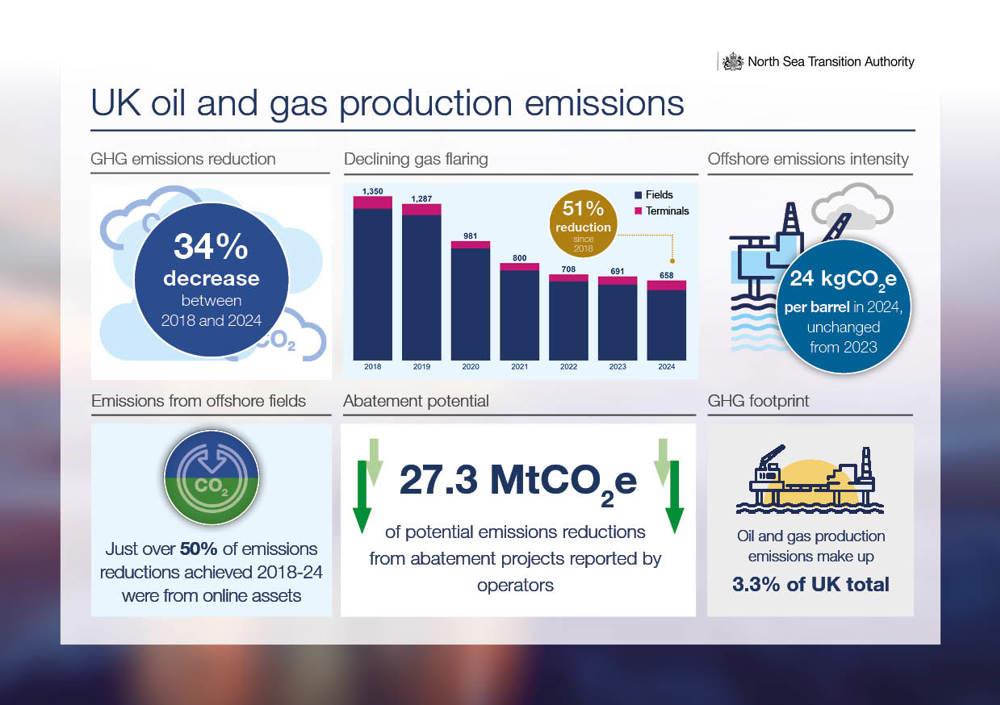
The UK’s oil production sector made a commitment under something called the North Sea Transition Deal to cut its emissions by 25% by 2027. As of now, it’s done more than that. Production emissions have fallen significantly, driven by consistent gains over several years. One of the main wins has come from reducing flaring (that’s burning off gases) and other wasteful emissions — things that aren’t glamourous, but are hugely effective in lowering carbon output.
In 2024 alone, emissions dropped by about 7%, which is part of a larger trend: a roughly one-third drop since 2018. That puts the sector comfortably ahead of its near-term goal. It suggests that changes long described as necessary are not just theoretical but happening on the ground.
Why This Shift Matters
- Climate Credibility: For a heavily scrutinised part of the energy mix, exceeding a major target boosts credibility. It shows oil and gas companies can deliver reductions when they commit to them.
- Competitive Edge: Cleaner operations aren’t just for activists—they’re part of what makes the North Sea oil industry more competitive, especially as other regions lag or face regulatory pushback.
- Policy Momentum: Success breeds support. Governments and regulators are more likely to promote or fund projects when they see real progress. It could lead to smoother permitting, more investment in emissions-reducing tech, or stronger incentive programs for clean upgrades.
What’s Still on the To-Do List
Even with the win, there’s a horizon of harder work ahead. Hitting the 2027 goal is big, but longer-term commitments are steeper: think 2030 targets, and goals to push emissions even further down. That means stepping up investment in tech like carbon capture, shifting more operations to low-carbon or electrified power sources, and finding ways to further cut flaring.
Some parts of emissions that are tougher to address won’t drop easily. Deep-water platforms, aging infrastructure, and complex supply chains will need careful attention. It won’t be simple, but the progress so far shows there’s cause for optimism.
The Broader Picture
This isn’t just good news for the sector—it’s good news for the climate agenda and UK energy security. Cleaner oil and gas production helps reduce reliance on dirtier imports, helps fulfil climate commitments, and shows a pathway where fossil fuel production doesn’t have to mean out-of-control emissions. For communities in the North Sea industry and for energy investors, it signals that decarbonisation and oil production can coexist.
Final Thoughts
If you care about clean energy, whether as a consumer, policymaker, or just someone who wants to see real climate action, this is something to note. Beating the 25% reduction target before 2027 means the UK oil sector isn’t just talking—they’re doing. And while there’s a long road still ahead, for once the trajectory looks like it might be strong enough for the climb.