




As 2026 unfolds, mining investors are navigating a market shaped less by short-term cycles and more by structural global change. According to insights from Sprott, the year ahead is likely to be defined by geopolitics, supply-chain realignment and renewed interest in hard assets as stores of value.
Rather than a single dominant commodity story, 2026 looks set to reward investors who understand how macroeconomic forces are reshaping the mining and metals landscape.
Deglobalisation and the return of resource nationalism
One of the most important trends influencing mining markets is the continued shift away from globalised supply chains. Governments are increasingly prioritising security of supply over lowest cost, particularly for critical minerals and strategic resources.
This move toward deglobalisation is driving investment into domestic and allied-nation mining projects, often reshaping trade flows and tightening supply in certain regions. For investors, this can create both opportunity and volatility, as pricing becomes more regionally fragmented and politically sensitive.
Hard assets back in focus
A second defining theme for 2026 is what many describe as the return of the “hard-asset trade”. Persistent fiscal deficits, elevated government debt and concerns around currency stability are pushing capital toward tangible assets — particularly precious metals.
Gold and silver continue to benefit from their dual role as financial hedges and industrial inputs. Their appeal is being reinforced not only by macro uncertainty, but by their relevance to technology, electrification and energy transition supply chains.
Precious metals: momentum with staying power
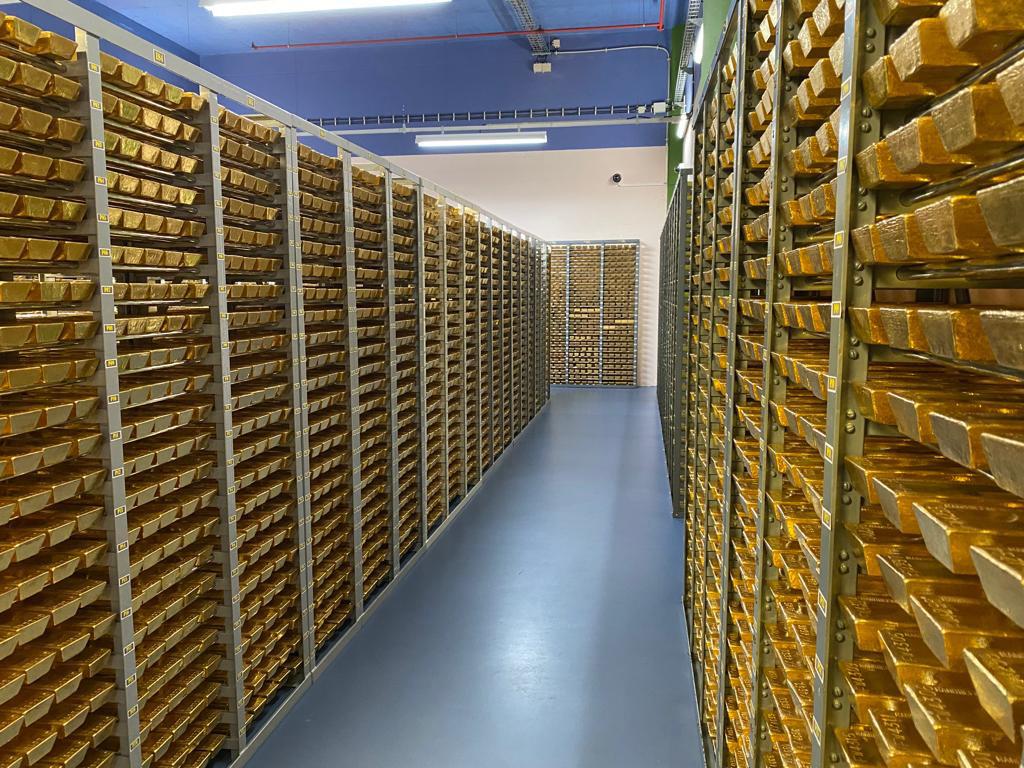
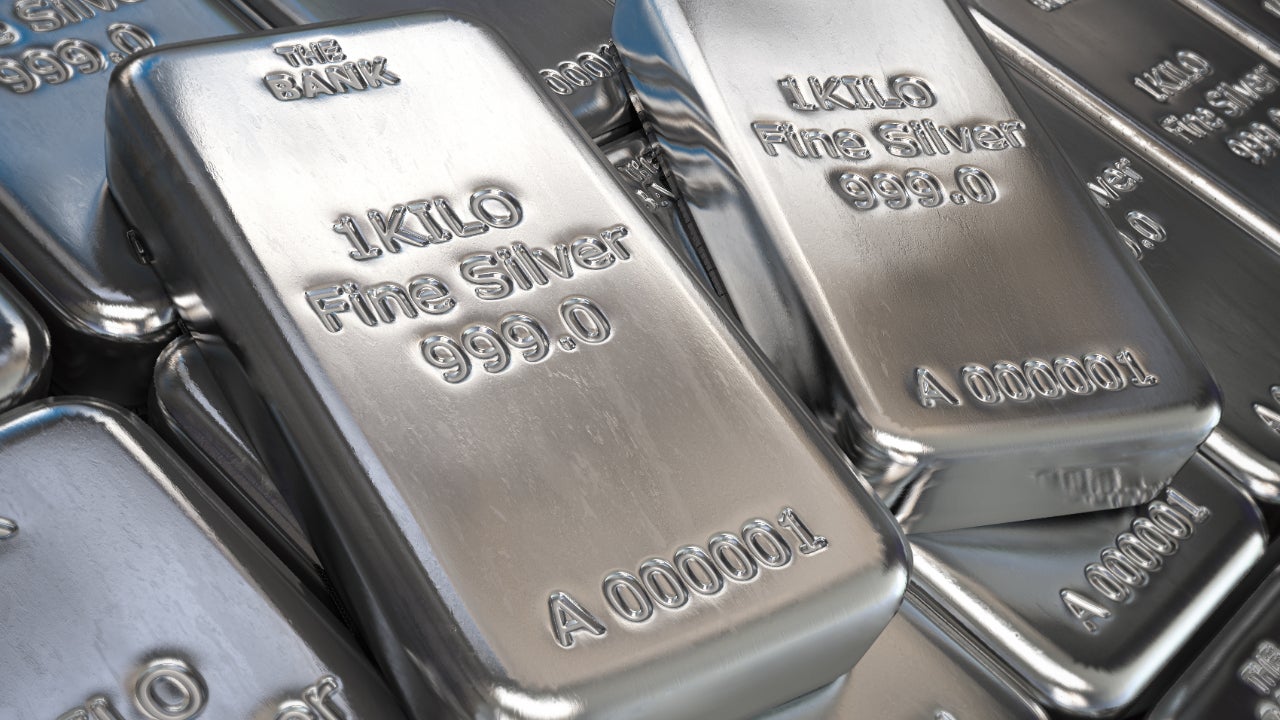
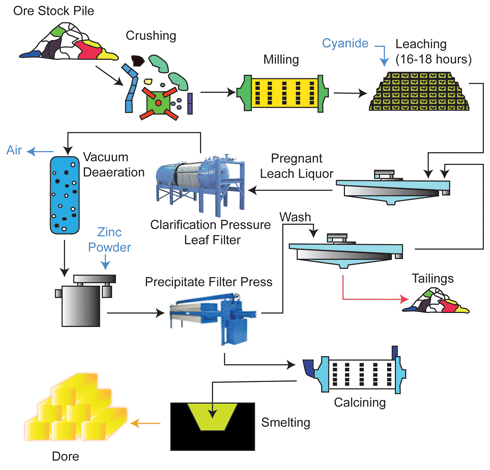
After strong performance in recent years, precious metals are entering 2026 with momentum still intact. Gold remains a cornerstone asset for investors seeking protection against volatility, while silver’s industrial demand adds another layer of long-term support.
For mining equities, this environment can be particularly powerful. Rising metal prices combined with disciplined capital allocation have the potential to strengthen margins and balance sheets across well-positioned producers.
Inventory fragmentation and regional pricing
Another factor investors are watching closely is the fracturing of global inventory systems. Export controls, strategic stockpiling and trade restrictions are increasingly disrupting once-integrated commodity markets.
This can result in price disparities between regions, unexpected shortages and sudden shifts in availability. While these conditions introduce risk, they can also create opportunities for investors who understand regional supply dynamics and logistics constraints.
Beyond gold: critical materials in the spotlight
While precious metals remain central, attention in 2026 is broadening to include copper, uranium and rare earth elements.
- Copper is fundamental to electrification, grid expansion and infrastructure investment.
- Uranium is gaining renewed interest as nuclear power re-enters the energy security conversation.
- Rare earths are increasingly viewed as strategic assets, essential to defence, clean energy and advanced manufacturing.
These materials are no longer just commodities — they are becoming geopolitical assets, influencing national policy as much as market pricing.
What this means for mining investors
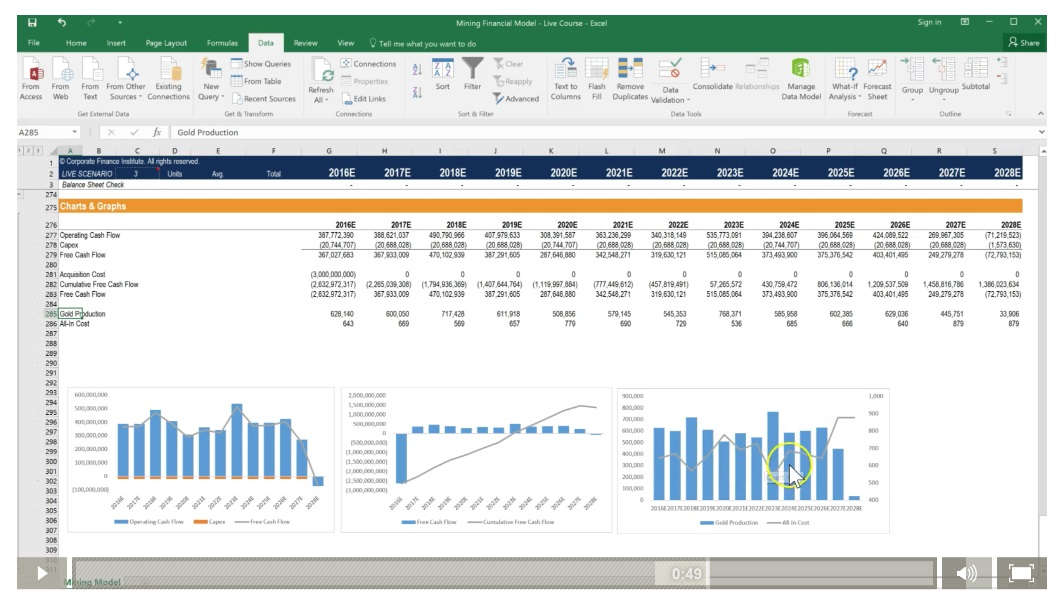


The message for 2026 is clear: mining investment is becoming more strategic and more selective.
Key considerations include:
- Exposure to jurisdictionally secure resources
- Balance between precious metals and critical materials
- Understanding of regional supply dynamics, not just global prices
- A long-term view aligned with infrastructure, energy and geopolitical trends
Rather than chasing short-term rallies, investors are increasingly positioning around themes that could play out over many years.
A sector shaped by global change
Mining has always been cyclical, but the forces shaping 2026 feel different. Deglobalisation, energy security and monetary uncertainty are pushing resources back to the centre of economic strategy.
For investors willing to look beyond headlines and focus on fundamentals, 2026 could mark a pivotal year — not just for individual commodities, but for how mining fits into the global economic order.