




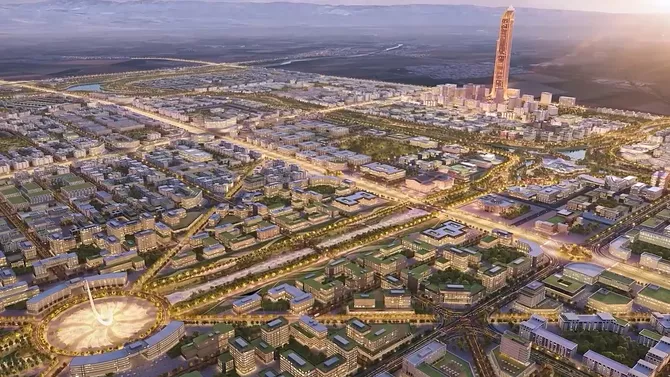
Just beyond the existing capital, New Tashkent is taking shape as one of Central Asia’s most ambitious urban projects. Designed as a purpose-built, future-ready city, the development aims to combine sustainability, liveability and economic growth at a scale rarely attempted in the region.
Planned as a fully functioning urban centre rather than a satellite suburb, New Tashkent is expected to accommodate around two million residents over the coming decades, easing pressure on Tashkent while setting a new benchmark for modern city planning.
A city designed for people, not cars
At the heart of New Tashkent’s vision is a people-first approach to urban living. Neighbourhoods are being designed around walkability and short travel times, with schools, workplaces, healthcare, shops and leisure spaces all intended to be reachable within minutes.
Public transport will play a central role, supported by green mobility options and carefully planned road networks that reduce congestion and emissions. The goal is a city where daily life flows easily, without the need for long commutes or heavy reliance on private vehicles.
Green space woven into the city fabric
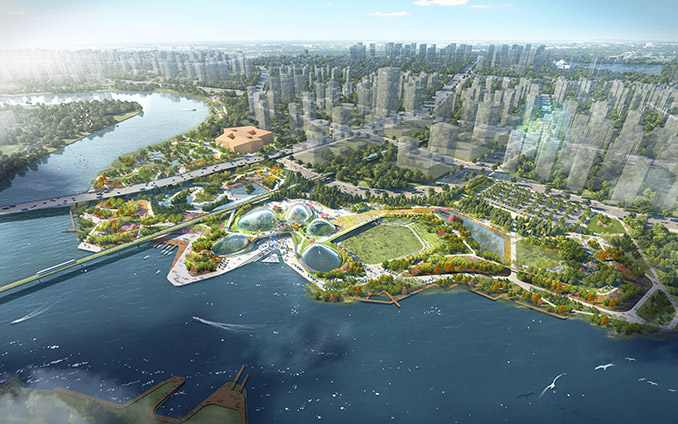
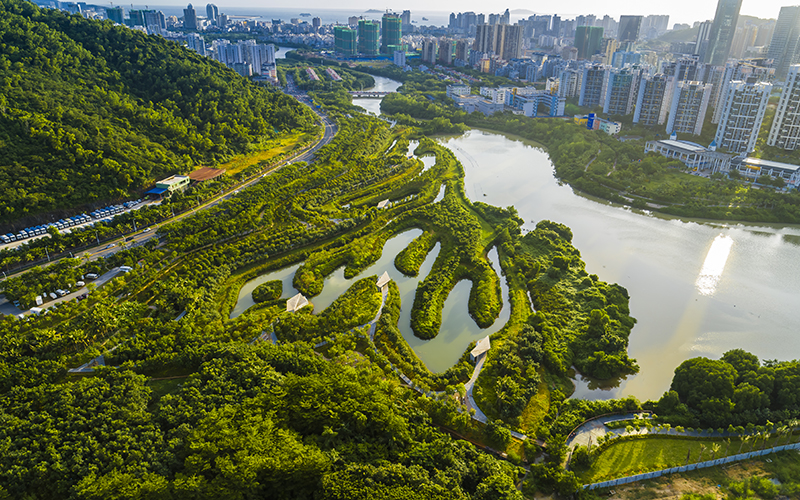
Rather than treating nature as an afterthought, New Tashkent places green corridors, parks and landscaped public spaces at the core of its design. Tree-lined boulevards and open areas are intended to improve air quality, manage heat and create spaces where communities can gather and unwind.
Buildings across the city are planned to meet high environmental standards, with energy efficiency, smart systems and climate-responsive design playing a central role in reducing the city’s overall footprint.
Blending innovation with local identity
While the project looks firmly to the future, it also draws inspiration from Uzbekistan’s cultural traditions. Urban planners have incorporated familiar community concepts into the design, encouraging neighbourhood cohesion and social interaction alongside modern infrastructure.
Cultural venues, educational institutions and civic buildings are being integrated into mixed-use districts, ensuring that the city develops as a place to live, learn and create — not just to work.
Economic growth built in
New Tashkent is also being positioned as an economic engine for the country. Plans include dedicated zones for technology, research, education and business, with the potential to support hundreds of thousands of new jobs over time.
By clustering innovation, services and administration within the city, the project aims to attract domestic and international investment while creating high-quality employment opportunities for a growing population.
Sustainability at scale

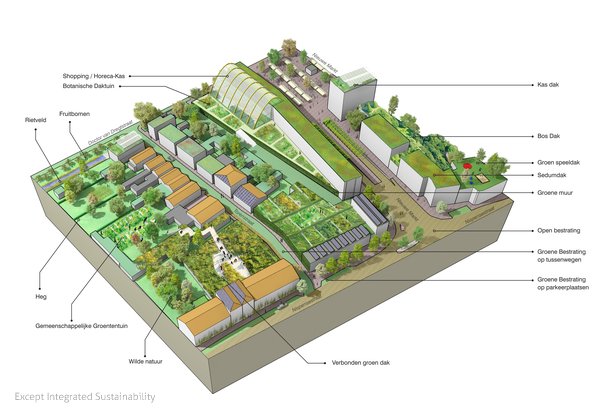
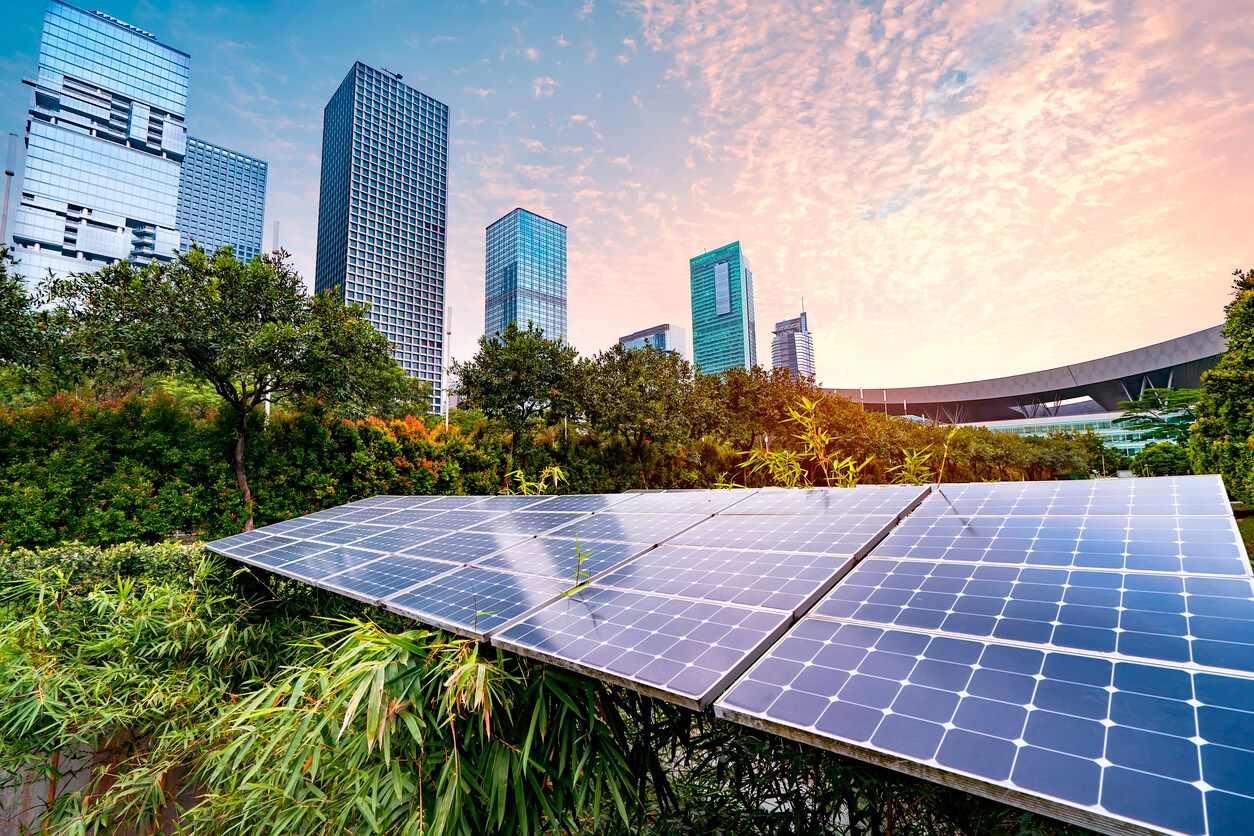
Environmental sustainability runs through every layer of the masterplan. Renewable energy, water-efficient systems and smart infrastructure are being integrated from the outset, rather than retrofitted later.
This approach allows New Tashkent to reduce long-term environmental impact while supporting national ambitions to diversify energy sources and promote responsible development.
A long-term vision for a changing world
Construction is progressing in phases, with the full masterplan extending into the mid-21st century. This staged approach allows the city to evolve alongside technological advances and changing social needs, while maintaining a clear strategic direction.
More than just a new city, New Tashkent represents a statement of intent — a vision of how rapid urban growth can be managed thoughtfully, sustainably and at scale.
As cities around the world grapple with population pressure and climate challenges, Uzbekistan’s experiment in building a sustainable metropolis from the ground up is one that urban planners everywhere will be watching closely.