




Egypt is gaining fresh momentum in its drive toward energy independence, following a series of new oil and gas discoveries that are beginning to reverse recent production declines and strengthen domestic supply.
After several challenging years marked by rising demand and increased reliance on imports, renewed exploration success is reshaping the outlook for the country’s upstream sector — with implications for energy security, public finances and regional influence.
A revival in domestic production
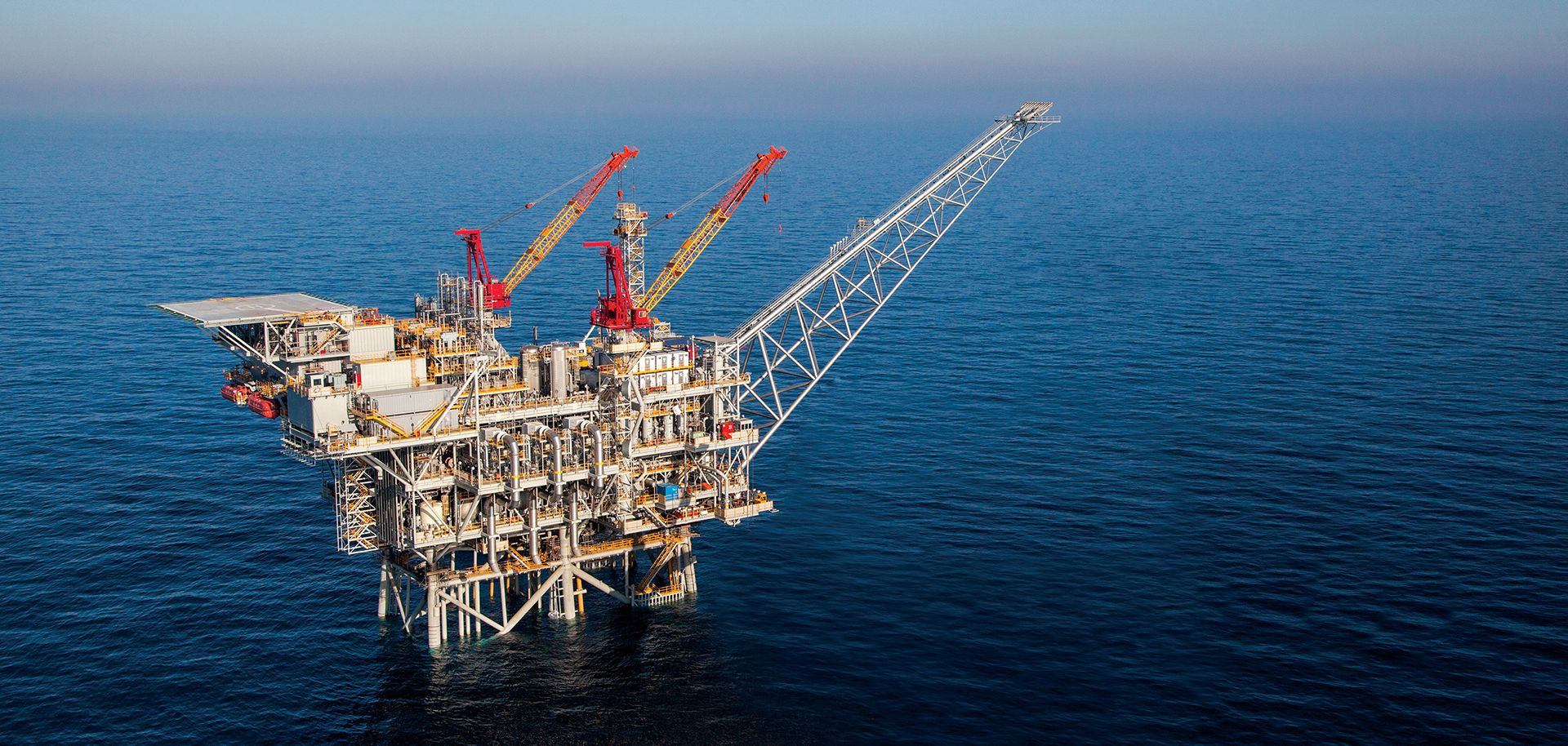
Recent drilling activity across Egypt’s key hydrocarbon regions — including the Western Desert, Eastern Desert and the Nile Delta — has delivered encouraging results. Newly completed wells are already contributing additional volumes of crude oil and natural gas, helping stabilise supply at a time when global energy markets remain volatile.
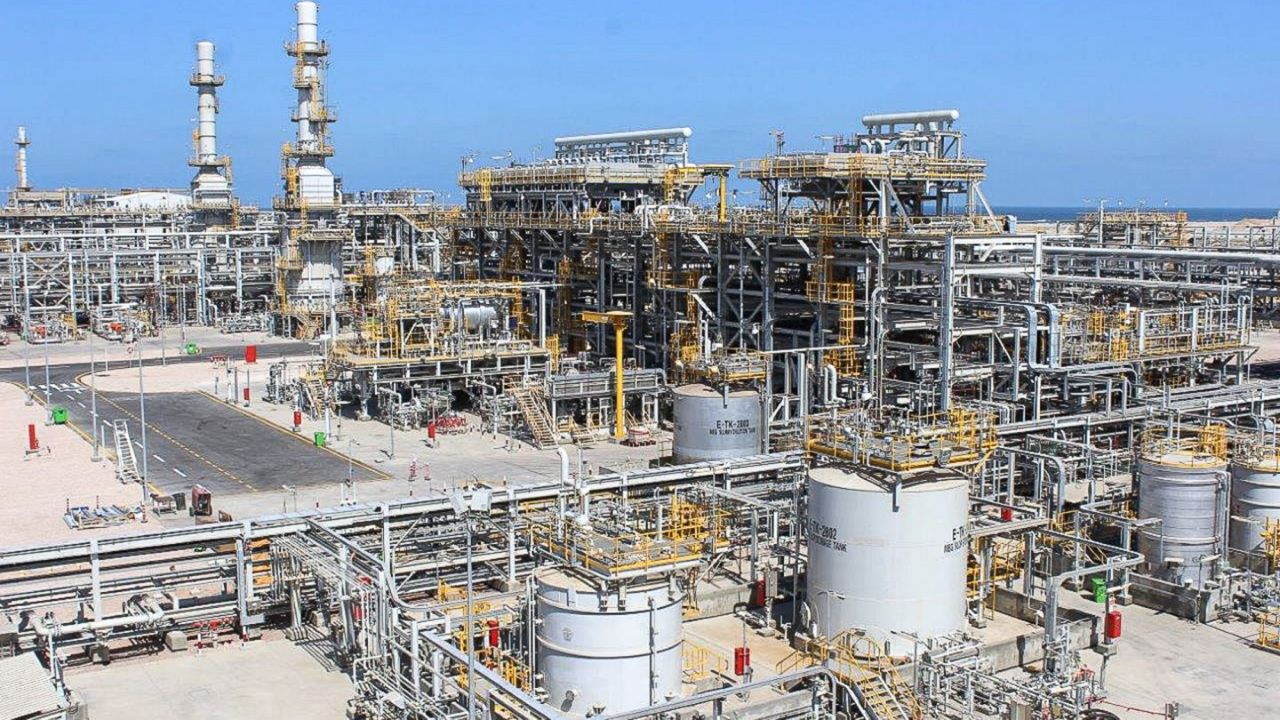
Several discoveries have confirmed commercially viable reserves, with further appraisal work underway to assess full production potential. In gas-rich areas, early results suggest scope for expanded output as infrastructure connections are completed and development phases progress.
Strategic drilling with long-term intent
Egypt’s energy strategy extends well beyond individual discoveries. Authorities have set out an ambitious exploration and drilling programme running through the remainder of the decade, targeting both mature producing fields and underexplored basins.
Hundreds of new wells are planned, supported by significant investment from a mix of state-owned entities and international partners. The focus is on replenishing reserves, extending the life of existing assets and unlocking new sources of supply that can feed domestic consumption and export infrastructure.
Why energy independence matters
Reducing reliance on imported fuel is a central objective for Egypt. Higher domestic oil and gas output helps ease pressure on foreign exchange reserves, stabilise energy prices and support broader economic resilience.
A stronger upstream sector also brings wider benefits — from job creation and technology transfer to increased attractiveness for foreign investment. For Egypt, energy independence is not just about supply, but about strengthening economic sovereignty in an increasingly uncertain global landscape.
Renewed investor confidence
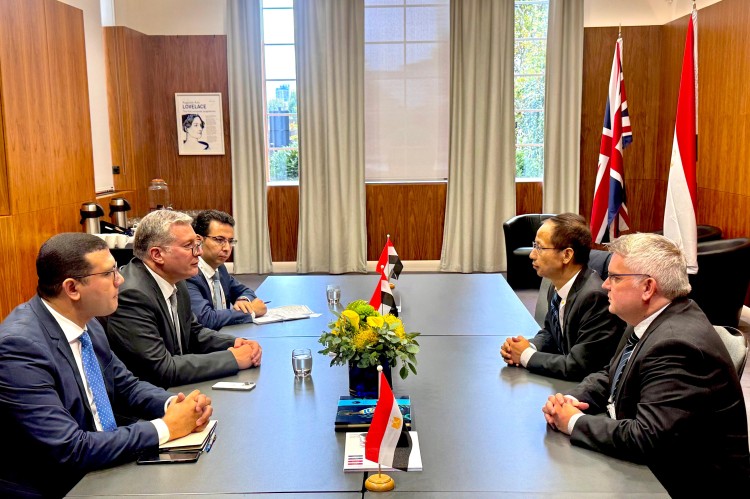
The recent discoveries have improved investor sentiment toward Egypt’s energy sector. Ongoing regulatory reforms, competitive licensing rounds and a clearer long-term strategy are helping position the country as a more attractive destination for upstream investment in the Middle East and North Africa.
For international energy companies, Egypt offers a combination of geological potential, established infrastructure and access to regional markets — factors that are becoming increasingly valuable as competition for new resources intensifies.
Balancing hydrocarbons and transition goals
While oil and gas remain central to Egypt’s current energy strategy, the country is also investing in renewables to diversify its power mix. Large-scale solar and wind projects are progressing alongside hydrocarbon development, reflecting a dual-track approach focused on near-term security and longer-term sustainability.
This balanced strategy allows Egypt to leverage its natural resources today while laying foundations for a more diversified energy future.
A stronger footing in a changing energy landscape
Egypt’s recent exploration success marks a turning point. By boosting domestic production and rebuilding confidence in its upstream sector, the country is moving closer to energy independence — a goal with far-reaching economic and geopolitical implications.
As development continues and new wells come online, Egypt’s role as a key energy player in the region looks set to strengthen, underpinned by renewed exploration momentum and a clear strategic vision.