



At first glance, the logic feels simple. If conflict subsides, prices should fall. Yet the reality shaping Europe’s energy markets is far more layered. Even if the Iran war were to end tomorrow, the conditions that pushed oil and gas prices higher are not easily reversed, and in many cases, they have already embedded themselves into the system.
The core issue is not just disruption, but aftershock. The war has altered supply flows, damaged infrastructure, and reshaped market expectations in ways that continue to influence pricing long after the immediate conflict fades.
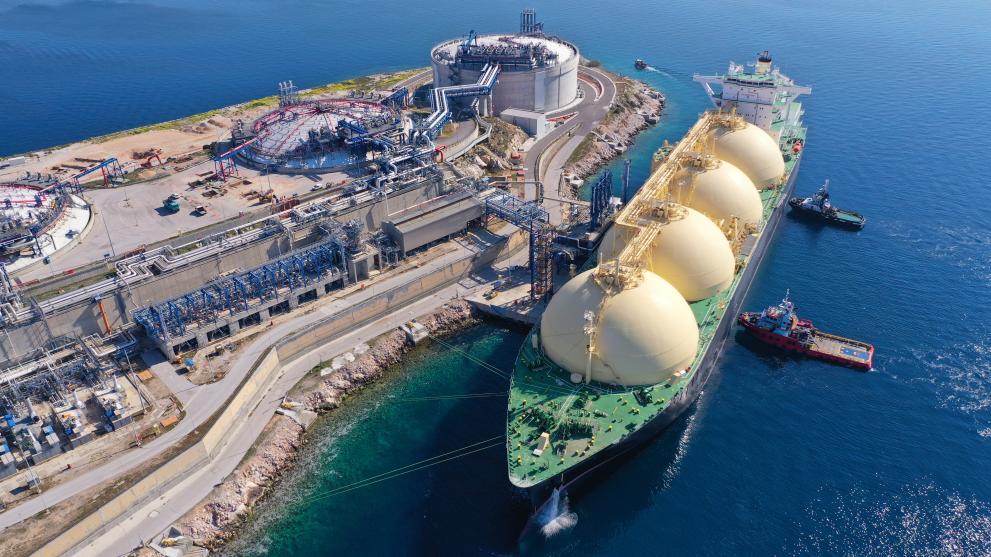
The most immediate factor is physical disruption. Attacks on energy infrastructure across the Gulf have removed significant volumes of oil and liquefied natural gas from the market, in some cases knocking out facilities that may take years to fully restore. Even with a ceasefire, restarting production is not instant. Systems must be repaired, supply chains rebuilt, and confidence restored before flows return to normal levels. As analysts have noted, “you can’t just flip a switch” when it comes to energy supply recovery.
That delay alone is enough to keep prices elevated.
6
Overlaying this is the continued fragility of global supply routes. The Strait of Hormuz remains the single most important chokepoint in the energy system, with roughly a fifth of global oil and gas flows passing through it under normal conditions. Even when tensions ease, uncertainty around its security persists. Tankers have been delayed, routes disrupted, and insurers and operators remain cautious about fully resuming normal traffic. In practical terms, supply is not just reduced, it is less predictable.
Markets price that uncertainty aggressively.
This is why prices often rebound quickly even after de-escalation. A ceasefire may lower immediate risk, but if traders doubt its durability, the premium remains. Recent movements reflect exactly this pattern, with oil prices dropping briefly before climbing again as confidence in the truce weakened.
For Europe specifically, the structural vulnerability is deeper. The region remains heavily dependent on imported energy, leaving it exposed to global price swings regardless of where the disruption originates. When global supply tightens, Europe feels it more quickly and more intensely than regions with domestic production buffers.
At the same time, Europe is entering a period of heightened demand pressure. Gas storage levels are already low following winter drawdowns, and replenishing those reserves requires competing in a tight global LNG market. When supply is constrained and demand is rising, prices tend to stay elevated even in the absence of active conflict.
There is also a longer-term shift taking place in how energy risk is priced. The Iran war has reinforced the idea that geopolitical disruption is not a rare event but a recurring feature of the market. As a result, prices are increasingly reflecting not just current supply and demand, but the probability of future disruption. Analysts describe this as a structural repricing rather than a temporary spike.

For consumers and businesses, this translates into a slower return to normality. Even when wholesale prices ease, the effects filter through gradually. Contracts, hedging strategies, and supply agreements all operate on delayed cycles, meaning elevated costs can persist well beyond the initial shock.
In that sense, the end of conflict does not mark the end of impact. It marks the beginning of adjustment.
The deeper takeaway is that Europe’s energy challenge is not purely geopolitical, it is structural. Dependence on imports, tight global supply, infrastructure vulnerability, and rising demand all combine to create a system where shocks linger longer than expected.
And that is why prices can remain high, even after the headlines move on.